

Looking for “water well drilling near me” can feel like diving into a sea of choices without a clear guide. Whether you’re hoping to tap into a fresh water source for your home, farm, or business, finding the right local experts matters more than you might think. Drilling a reliable well isn’t just about digging deep—it’s about knowing the land, using the right tools, and following rules that keep your water safe. This article breaks down what to expect when searching for trusted well drilling services near you, helping you make smart decisions every step of the way.
Stevens Drilling is a trusted provider of water well drilling and installation services serving the Texas Hill Country and surrounding areas, including San Antonio, Boerne, New Braunfels, and more. With decades of experience since 1968, we offer expert drilling, pump installation, and maintenance to ensure you have a dependable water supply tailored to your residential or commercial needs. Contact us at (830) 947-0245 to schedule a consultation or service.
Finding Local Well Drilling Services
When you search for “water well drilling near me,” you’re opening a portal to a mix of results—some more relevant than others. The key to zeroing in on trusted providers lies not just in an online search but also in tapping into your community’s collective experience.
Local directories like Yelp, Angie’s List, or Google Reviews offer invaluable snapshots of customer satisfaction and project success. These platforms reveal patterns—consistent punctuality, quality workmanship, and responsiveness—that help separate the dependable companies from the mediocre.
Don’t hesitate to reach out to neighbors, friends, or even local community boards. Personal recommendations often carry more weight because they come from people who have faced the same challenges you’re about to encounter.
Someone down the street might share stories about how a particular driller handled challenging soil conditions or delivered on time despite unforeseen obstacles.
Once you gather a list of potential services, it’s vital to contact multiple companies—at least three—to request estimates and learn about their capabilities firsthand. This isn’t merely about pricing; it’s an opportunity to assess their professionalism, depth of experience, and knowledge of your specific region’s geology.
Texas Hill Country presents unique drilling challenges with water table depths ranging widely, so working with a company familiar with these conditions means fewer surprises and a more reliable water supply.
Ask detailed questions: How many wells have you drilled locally? What types of pumps and casing materials do you recommend? Can you guide me through the Texas Commission on Environmental Quality (TCEQ) regulations?
Companies that handle these inquiries confidently demonstrate experience and transparency.
Document what each company offers—their warranty policies, estimated project timeline, and after-service support. A reputable driller will gladly explain every step, from initial site evaluation through final pump installation, ensuring you feel informed and involved throughout the process.
With solid options in hand and a clear understanding of local experts’ qualifications, you’re prepared to explore the detailed steps involved in bringing your well to life, giving you greater confidence in the choices ahead.
Well Drilling Process Overview
The journey of creating a dependable water well starts long before the drill bit touches the ground. It begins with careful assessment — experts like hydrogeologists or experienced drillers examine your property meticulously. They study soil samples, rock formations, and previous water table records to pinpoint the most promising spot for drilling.
In Texas Hill Country, this step is crucial because the depth at which water lies can widely vary — sometimes as shallow as 50 feet, other times plunging past 500 feet. This variability demands precision; drilling in the wrong place may lead to dry wells or costly repairs down the line.
Once the location is finalized, drilling begins with specialized rigs equipped for the task. These machines slice through layers of soil, clay, limestone, or granite depending on your land’s unique geology.
Modern rotary rigs used by trusted companies like Stevens Drilling advance about 200 feet daily under ideal conditions, but this rate changes with harder rock or obstacles hidden underground.
The process requires skill not only to keep the borehole straight but also to protect surrounding structures and comply with local regulations. It’s a dance between power and precision.
After reaching your water source, structural integrity becomes paramount.
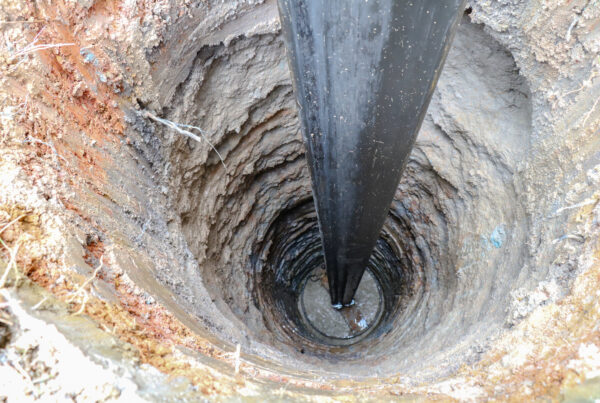
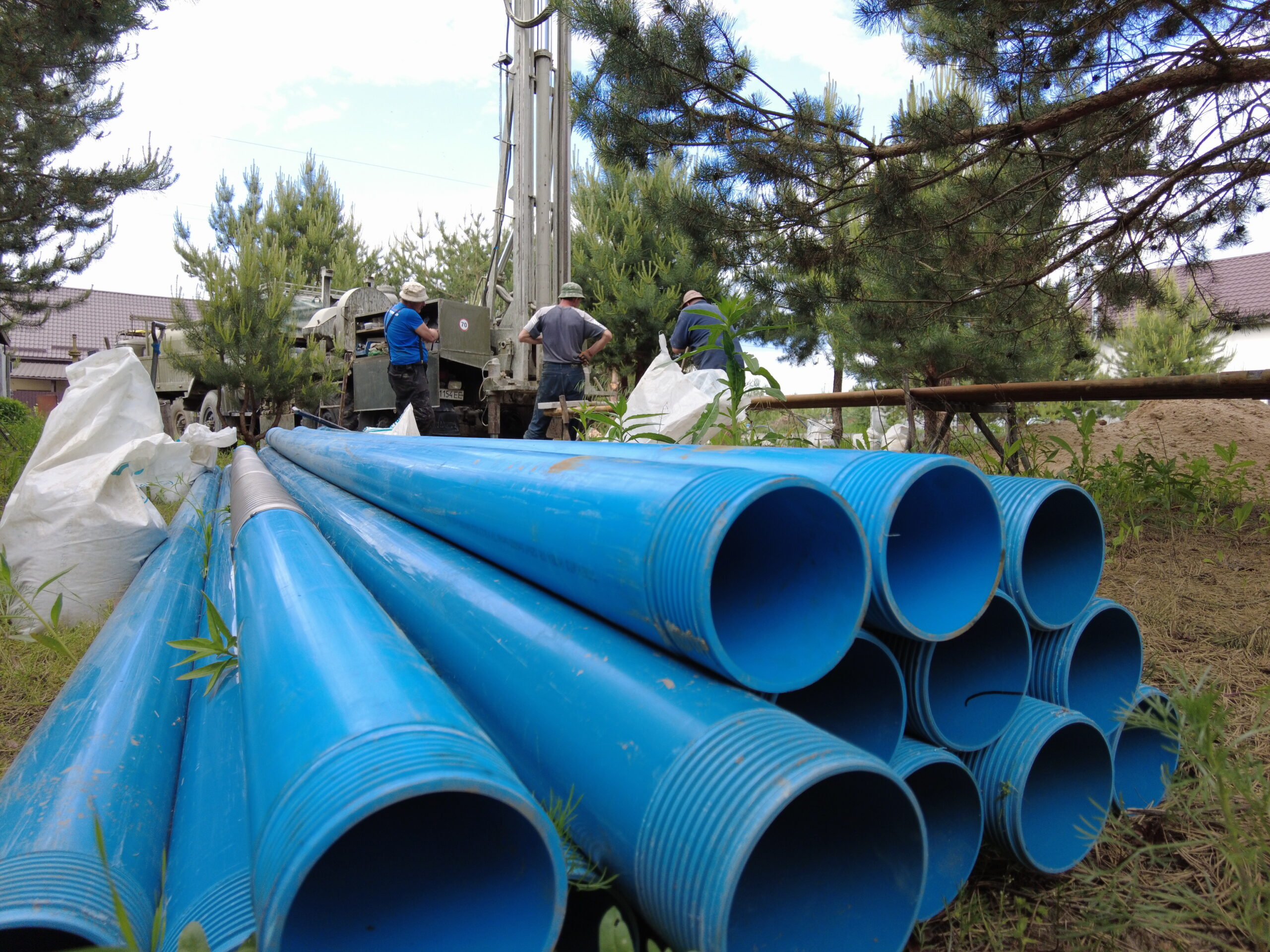
To keep the well stable and prevent it from collapsing over time, a casing pipe—usually durable PVC or steel—is installed inside the drilled hole.
This pipe acts like a protective sleeve against soil erosion and ensures that only clean water reaches your pump. Near the casing’s bottom lies a screen designed to filter out sand, silt, and debris that could clog your system or damage pumps.
Proper installation here is essential: skip quality casing or misplace the screen, and you’ll struggle with contamination or mechanical failures down the road.
With casing and screening in place, developing the well is next—a critical yet often overlooked phase.
This involves pumping water at high velocity to flush out remaining fine sediment left from drilling. Without this step, tiny particles would settle and cause blockages or reduce flow rates, shortening your well’s lifespan.
Professionals also conduct yield tests during this stage, measuring how much water the well can safely provide without running dry and checking its quality to meet Texas Commission on Environmental Quality (TCEQ) standards.
Each part of this process depends heavily on reliable equipment tailored to your specific needs.
From high-efficiency submersible pumps to corrosion-resistant casings and pressure tanks that maintain steady water flow, every component matters. Investing upfront in trusted brands and expert installation guarantees you a lasting source well beyond initial drilling.
Understanding these steps equips you with questions to ask potential drillers and clarity on what goes into delivering clean water deep from Texas Hill Country’s earth.
Appreciating the intricate steps involved in establishing a well sheds light on why specialized equipment is indispensable. The tools and rigs that power this operation form the backbone of effective drilling efforts where precision meets endurance.
Necessary Equipment and Rigs
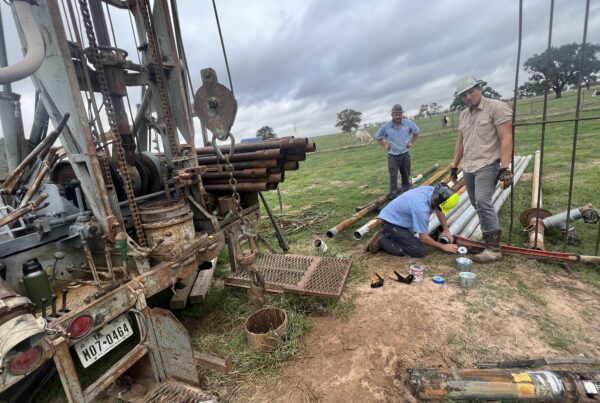
The backbone of any water well drilling project lies in its rigs—specialized machines designed to bore deep into the earth with both power and precision. At Stevens Drilling, we rely heavily on rotary drilling rigs, which stand out for their ability to smoothly cut through varied types of soil and rock layers commonly encountered across Texas Hill Country. These rigs rotate a heavy drill bit, gradually carving out the well’s shaft while minimizing the chance of the surrounding borehole collapsing—a critical factor when depths can reach several hundred feet.
What many might not realize is how much engineering goes into calibrating these rigs for local geological conditions. In regions where the water table shifts dramatically—from 50 feet to over 500 feet depending on location—the right rig can adapt its speed and pressure seamlessly. This protects not only the integrity of the borehole but also saves time and reduces long-term costs by preventing mishaps during drilling.
Beyond the rig itself, a carefully coordinated set of supporting machinery keeps the operation running without a hitch. Take mud pumps, for instance: these work tirelessly to circulate drilling fluids that cool the drill bit and flush cuttings out of the hole. Without them, heat buildup would quickly damage equipment and slow progress. Similarly, air compressors are indispensable for pneumatic drilling techniques, injecting compressed air or gas mixtures that assist in clearing debris and stabilizing loose formations within the shaft.
Water trucks play a deceptively simple but vital role as well—they supply the vast amounts of clean water required both to mix drilling fluids and keep dust in check at the worksite. This constant hydration helps maintain safety standards while ensuring equipment runs efficiently.
All this high-tech equipment represents significant investment but also a guarantee of reliability. At Stevens Drilling, we emphasize using top-tier machinery combined with decades of expertise to deliver dependable results tailored to each customer’s site conditions. By choosing advanced rotary rigs alongside robust support tools, we mitigate risks associated with unpredictable Texas terrain while making every drill precise.
“Using modern, well-maintained equipment isn’t just about getting the job done—it’s about protecting your property and securing clean water for years to come.”
Considering the machinery involved naturally brings our focus to one of the most important aspects for homeowners and businesses alike: how these specialized resources shape the overall expenses you’ll encounter when planning your water well installation.
Cost of Water Well Drilling
The price tag on drilling a water well isn’t fixed—it’s shaped by several key factors that reflect both your specific needs and the local landscape. One of the biggest influences is depth: drilling deeper wells generally means higher costs per foot because it takes more time, labor, and specialized equipment to reach greater depths.
Alongside depth, the diameter of the well also plays a crucial role. Wider wells require more casing and materials, which naturally add up to bigger expenses.
Location matters too. For example, drilling in Texas Hill Country comes with its own set of challenges—rocky soils or variable aquifer depths can slow progress and increase wear on equipment.
Additionally, labor and material costs fluctuate depending on your region, so a well drilled just outside San Antonio may cost differently than one closer to rural corners of Atascosa or Medina counties.
| Factor | Description | Cost Range |
|---|---|---|
| Drilling Depth | Varies by geology; charged per foot | $15 to $30 per foot |
| Casing and Screen | Materials like PVC or steel, installation fees | $2,000 to $10,000 |
| Pump Installation | Submersible pumps and setup | $1,500 to $5,000 |
| Permits and Fees | Required by local authorities | $500 to $3,000 |
Beyond drilling and pump installation, permits are another cost factor that homeowners often overlook. Texas requires permits to ensure wells meet safety and environmental standards. These regulatory fees vary between jurisdictions but are necessary investments for protecting water quality and compliance with state laws.
It might be tempting to cut corners on equipment or skip permit processes, but doing so risks poor performance or costly repairs down the line. In our experience at Stevens Drilling in La Vernia, we always emphasize investing in high-quality casing materials and reliable submersible pumps from trusted brands like Grundfos or Franklin Electric.
This attention to detail ensures long-term durability and fewer service calls—saving owners money and headaches over decades.
When planning for a new well installation, think about your future water demands as well. A well sized just for current household use may not suffice if plans include irrigation or livestock watering later on.
Oversizing initially may seem costly but often avoids expensive re-drilling or upgrades later.
Typically, residents across South Texas see total project costs between $10,000 and $30,000 depending on these variables. This range includes everything from initial site assessment through full pump installation and first-time filtration setup—services Stevens Drilling has proudly provided since 1968.
“But whoever drinks the water I give them will never thirst”—John 4:14 isn’t just our slogan; it’s our commitment to provide life-giving water that stands the test of time.
With costs clarified, understanding how professional site evaluation shapes success becomes critical. From geological surveys to tailored solutions designed for your property, expert preparation sets the stage for a reliable well system built to perform flawlessly years into the future.
Ensuring Quality and Meeting Regulations
When it comes to drilling a water well, quality assurance and regulatory compliance aren’t just bureaucratic hurdles; they are vital elements that safeguard the longevity and safety of your well. Across Texas, the Texas Commission on Environmental Quality (TCEQ) sets the standards that every responsible driller must follow. This means careful adherence to local regulations ranging from selecting an appropriate site free of contamination risk to installing proper well casing systems designed to protect groundwater sources.
The process starts well before the drill bit touches the ground. Skilled professionals assess not just geology but environmental conditions to ensure your well won’t harm or be harmed by nearby septic systems, livestock operations, or other potential contaminants. Following TCEQ guidelines, the installation will include casing materials and sealing techniques tailored to prevent surface contaminants from seeping into your water supply. These regulations reflect decades of accumulated knowledge about what makes a water well safe and sustainable in diverse Texas Hill Country terrains.
But meeting regulatory requirements is only part of the picture—validating water quality after drilling is equally essential.
Once drilling is complete, conducting comprehensive water quality tests acts as a critical checkpoint. Testing checks for microbial contaminants like coliform bacteria, chemical impurities such as nitrates or heavy metals, and other indicators that might affect your health or equipment longevity.
Early detection through testing protects your family’s health and helps plan appropriate filtration or treatment systems if needed. It’s important to understand that water quality can change over time, which is why ongoing maintenance and periodic re-testing are recommended practices.
A proactive maintenance schedule—monitoring pump performance, inspecting casing integrity, and continuing water quality assessments—can reveal small problems before they escalate into costly repairs or health hazards. Stevens Drilling strongly encourages customers to establish planned check-ins; this approach keeps wells delivering clean, reliable water year after year.
Equally crucial is knowing who’s behind the drill bit—their expertise directly affects your system’s performance and durability.
That’s why choosing a company staffed with certified drillers who have undergone rigorous training isn’t merely a preference—it’s a necessity. Proper certification ensures these professionals know how to handle different soil types, equipment nuances, and unexpected challenges while staying fully compliant with all safety codes.
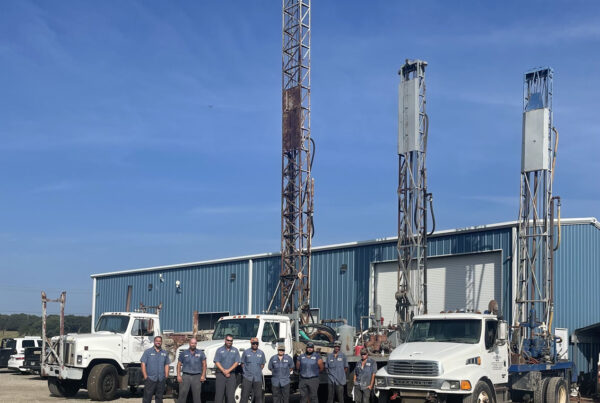
At Stevens Drilling, for example, our team blends decades of family expertise with modern technical training to give customers peace of mind that their investment is in capable hands.
Many clients express genuine appreciation for working with well-trained experts who not only deliver quality work but also provide clear explanations that help homeowners understand every step. This transparency builds trust and ensures customers feel confident long after the drilling rig has left their property.
Guaranteeing your well’s quality hinges on respecting regulations, rigorous post-drilling testing, ongoing maintenance, and employing skilled professionals dedicated to excellence. These pillars support safe, sustainable access to one of Texas Hill Country’s most precious resources: clean groundwater.
With these standards firmly established, it becomes easier to evaluate which service provider aligns best with your expectations and needs. Understanding these factors lays the groundwork for selecting the ideal partner in bringing reliable water solutions directly to your property.
Choosing the Right Drilling Company
Selecting a reputable company can profoundly affect everything from how smoothly your project runs to the long-term reliability of your well. It’s not just about who can turn up with the biggest rig, but who understands the unique challenges of drilling in Texas Hill Country’s varied terrain—from porous limestone to deeper clay layers.
A local company with ample on-the-ground experience knows exactly where to avoid dry or unstable zones and how to adapt quickly when underground surprises appear.
Verify Credentials and Experience
Start by confirming licenses and certifications; these aren’t mere formalities but legal proof that a company follows state regulations, such as those set by the Texas Commission on Environmental Quality (TCEQ). Beyond paperwork, experience counts tremendously. Companies like Stevens Drilling underscore this by combining decades of family knowledge with modern techniques acquired over years of drilling throughout San Antonio, Boerne, New Braunfels, and beyond.
As Jimmy Stevens remarks, “Understanding local geology isn’t a side note—it’s the foundation for success.” This insight directly translates into wells that deliver dependable water yields time after time.
Customer Service and Transparency
Good communication is equally crucial because drilling projects involve decisions, unexpected findings, and fine-tuning along the way. When a company is upfront about costs, timelines, and potential obstacles—and takes the time to explain these details—it builds trust and reduces stress for you.
Check customer reviews for stories about responsiveness and honesty. Don’t hesitate to ask directly for references or examples of past work; reputable companies are proud to share those successes.
Comprehensive Service Offering
The best drilling partners aren’t just drop-in contractors; they’re long-term allies. Look for companies providing end-to-end services: site assessments, soil testing, well installation, pump setup, and ongoing maintenance or repairs. This continuity means fewer handoffs between vendors and consistent quality.
For Stevens Drilling clients, one-stop service ensures every part fits perfectly—from carefully selecting submersible pumps to installing filtration systems tailored for Texan water conditions. Having a trusted team handle everything avoids delays and miscommunication that can surface when juggling multiple companies.
By thoughtfully verifying credentials, prioritizing transparent communication, and choosing an all-encompassing service provider, you set yourself up for a water well project that doesn’t just meet regulations but truly serves your household or business for years to come.
Trusting experienced local experts who understand both the land and the process ensures your investment yields reliable water well solutions that stand the test of time.