
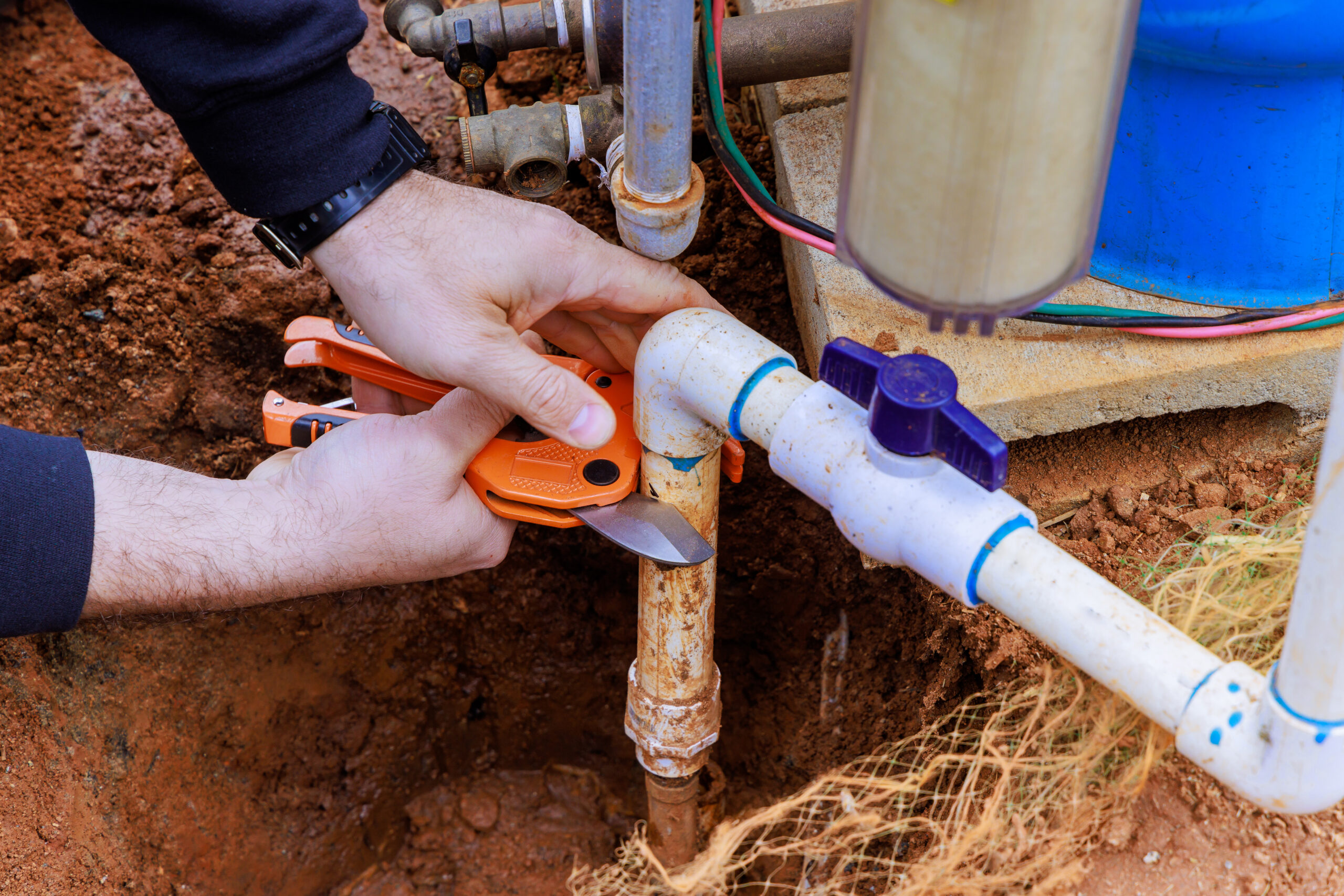

When your well pump stops working, it can feel like everything in your home or farm grinds to a halt. Finding quick and affordable repair services nearby isn’t just a convenience—it’s a necessity. Many people don’t realize how many local experts are ready to jump in and fix these problems efficiently, especially those who understand the unique water challenges in places like the Texas Hill Country. This guide breaks down how to find trustworthy help, what common issues look like, and how to decide between repairing or replacing your well pump without spending more time or money than needed.
For reliable well pump repair services near you, Stevens Drilling offers experienced technicians serving the Texas Hill Country and surrounding areas. Contact us at (830) 947-0245 for prompt, professional repairs to restore your water system efficiently.
Finding Local Well Pump Repair Services
Your first stop should be online directories like Google Maps or Yelp, which offer a convenient way to locate nearby well pump repair providers. These platforms allow you to filter results by distance, ratings, and specialties.
More importantly, visiting the official websites of established companies—such as Stevens Drilling—can give you direct access to detailed service descriptions and coverage areas. Stevens Drilling serves a wide region across the Texas Hill Country, including San Antonio, Boerne, New Braunfels, and neighboring counties.
Their website often provides valuable insights not only on repair services but also on water well maintenance and filtration options to keep your system running smoothly.
Once you have a list of potential providers, the next step is evaluating their reputation carefully.
Reading Reviews and Testimonials
Online reviews and customer testimonials are invaluable tools for gauging the quality and reliability of well pump repair services. Genuine feedback from past clients reveals how quickly technicians respond, how thorough they are in diagnosis and repairs, and whether pricing aligns with the service provided.
Take Stevens Drilling as an example: they consistently earn five-star reviews that emphasize their professionalism, punctuality, and deep knowledge of well systems. Many customers appreciate their family-operated approach, which brings a personal touch to every job.
This kind of trust built through community word-of-mouth and digital testimonials can save you from costly mistakes or subpar workmanship.
Besides online research, don’t overlook offline avenues to find solid recommendations.
Local Community Resources
Neighbors who rely on similar wells can often point you toward dependable repair services based on their own experiences—and nothing beats firsthand advice when it comes to urgent repairs. Local environmental agencies sometimes maintain lists of licensed water well contractors or perform inspections that help ensure service providers meet safety standards.
Meanwhile, community Facebook groups or neighborhood apps like Nextdoor are popular platforms where residents share referrals and cautionary tales alike about local businesses. Engaging with these trusted networks helps you cut through marketing noise and connect with professionals who have earned local respect through years of quality work.
Combining thorough online searches, careful review analysis, and input from your community offers the best chance at finding emergency well pump repair services that are both affordable and reliable — ensuring your water supply returns quickly without breaking the bank.
Understanding how to find trusted help sets the stage for recognizing what might be wrong with your system in the first place. This awareness is crucial as we examine common problems that can plague well pumps and explore practical solutions to keep your water flowing steadily.
Common Well Pump Issues and Solutions
Well pump problems vary widely, from simple electrical glitches to mechanical wear that gradually affects performance. One of the most frequent culprits lies within the electrical system. Power outages or unexpected surges can disrupt the delicate workings of your pump. In fact, research shows that about 30% of well pump failures stem from electrical faults — a surprisingly high number. It’s always wise to start by checking circuit breakers or fuses for tripped switches or blown components. When everything appears in order, a trained technician from an experienced company like Stevens Drilling can perform an in-depth inspection of wiring and motor health, catching unseen damage before it worsens.
Moving beyond electricity, low water pressure is another common complaint among well owners. Often caused by sediment buildup inside the pump assembly or worn-out parts such as impellers or seals, low pressure tends to creep up slowly but noticeably. Over time, fine sediment particles accumulate from natural groundwater minerals or surface debris entering through imperfect filtration. This restricts water flow and causes uneven pressure at faucets or irrigation systems. Regular cleaning and timely replacement of worn components restore your water supply’s vigor without needing immediate full replacement.
Alongside pressure concerns, irregular pump operation — where the pump switches on and off rapidly — signals underlying trouble. This “cycling” behavior often points toward a faulty pressure switch or a waterlogged pressure tank unable to maintain consistent pressure levels. When the tank loses its air cushion function due to leakage or corrosion, it causes the pump motor to strain by turning on and off too frequently. Simple adjustments or replacing these specific parts generally puts an end to this cycle, prolonging pump life and improving efficiency.
Another sneaky problem is air infiltration in your water system. Air isn’t just an annoyance causing sputtering faucets; it indicates that something deeper needs fixing. Cracks in pipes or ineffective check valves allow air to enter, disrupting flow and possibly damaging pumps over time. The remedy involves locating leaks, sealing cracked pipes, and swapping out faulty check valves. By addressing these weak spots proactively, you avoid larger repairs and keep your system operating smoothly.
“A well-maintained well pump not only conserves water but saves money by extending equipment lifespan,” advises Korri Stevens of Stevens Drilling.
| Issue | Cause | Typical Solution |
|---|---|---|
| Electrical Problems | Power surges, tripped breakers | Check breakers; professional wiring check |
| Low Water Pressure | Sediment buildup, worn parts | Clean sediment; replace parts |
| Pump Cycling | Faulty switch; waterlogged tank | Adjust/replace pressure switch or tank |
| Air in System | Cracked pipes; faulty valves | Seal leaks; replace check valves |
These insights come from decades of experience serving the Texas Hill Country community, where Stevens Drilling has built a reputation for reliable and affordable well pump repairs tailored to local conditions. Keeping on top of these common problems not only ensures steady water flow but also guards against unexpected breakdowns that disrupt daily life or farm operations.
If you notice unusual sounds from your pump, inconsistent water flow, or electrical issues at your home or business in San Antonio, Boerne, New Braunfels, or surrounding areas served by Stevens Drilling, don’t hesitate to call professionals who understand South Texas’ unique underground water challenges. Prompt diagnostics and repairs save time, hassle, and money—crucial when you depend on clean water every day.
Understanding these common symptoms paves the way for pinpointing exact issues when they arise. Next up is exploring how professionals identify specific problems to ensure swift, effective solutions.
Diagnosing Well Pump Problems
When it comes to well pump trouble, the most straightforward strategy is a systematic check starting right at the power source. Often, a simple issue like a tripped breaker or an interrupted power supply can be the culprit behind a pump that won’t start or is underperforming.
Using a voltage tester to confirm if your pump is getting electricity isn’t complicated but requires careful handling. Ensuring the breaker box hasn’t flipped off or blown a fuse can save you from diving into more complex repairs prematurely.
Once power supply checks out, the next logical step is to inspect the pressure switch—this small component controls the on-off cycling of your pump depending on water demand. Dust, debris, or burnt contacts in this switch can easily disrupt normal function.
Taking off the cover and visually examining the switch reveals visible damage or blockages which can be cleaned or replaced. This step often gets overlooked but can resolve many pump issues quickly without professional intervention.
But what if clearing electrical hiccups and switches doesn’t restore your water flow? Then it’s time to turn attention toward the pressure tank itself, which plays a critical role in smoothing out water delivery and system operation.
Checking the air pressure inside the pressure tank with a tire gauge might seem unusual, but it’s vital. The correct air charge—typically about 2 PSI less than your system’s cut-in pressure—allows for efficient water storage and pump cycling.
If this balance is off, the pump may short cycle or run constantly, causing wear and energy waste. Adjusting this pressure might be as simple as adding air with a compressor or releasing some if overcharged, but it’s crucial for sustaining long-term pump health.
After these checks—power supply integrity, pressure switch condition, and tank pressure—if the problem persists, it’s wise not to guess further.
A professional technician from Stevens Drilling, experienced in local Texas Hill Country conditions and well systems, can perform in-depth diagnostics using specialized equipment and expertise. Their team understands how geology and system specifics impact pump performance, helping you avoid costly repairs through targeted interventions.
“Sometimes what looks like a simple pump failure masks underlying causes such as wiring faults or sediment clogging that only trained eyes can detect.”
Diagnosing well pumps wisely combines these key checks with timely expert assistance, ensuring reliable water supply and extending your system’s lifespan.
Knowing how to effectively diagnose your well pump lays a strong foundation for deciding on the next best course of action—whether repairing parts or considering other alternatives that safeguard both your water system and wallet.
Repair vs. Replacement: What to Do?
A well pump’s lifespan generally falls between 8 to 15 years. This range isn’t just a number—it reflects typical wear on mechanical components and electrical parts exposed daily to water and soil conditions that vary widely across Texas Hill Country.
When a pump nears the end of this lifespan, repeated repairs often signal diminishing returns. Each fix might restore function briefly but won’t stop gradual degradation. At that point, replacement isn’t just about spending money but about gaining peace of mind with long-term reliability. It’s like patching an old roof—sometimes you must bite the bullet and invest in something new rather than patching cracks endlessly.
Cost Analysis
Comparing repair costs against replacement costs reveals practical insights many homeowners overlook. Let’s break it down with realistic figures: a substantial repair could easily run around $700, covering motor rewinding, seal replacements, or pressure switch fixes.
On the other hand, a full new well pump system installation, including labor and necessary permits in South Texas, typically costs about $1,500.
If you find yourself facing repairs every year or two, those recurring expenses add up quickly—much more than half the price of a new unit. What begins as an attempt to save money can spiral into higher overall costs and inconvenience.
Still, don’t rush to replace for every minor issue; small inexpensive repairs early in the pump’s life are worth it. But if you’re tallying up repair bills close to the cost of a new pump over a few years, it’s worth considering an upgrade.
Financials aside, performance is another key factor guiding your decision.
Evaluating Performance
A repaired well pump should deliver consistent water pressure and volume suitable for your home or irrigation needs. If after repairs your water pressure remains weak or fluctuates unpredictably—especially during peak usage times—that often signals deeper mechanical wear or inefficiency.
Older pumps struggle with these issues because worn impellers or corroded components restrict flow while drawing excessive energy. This not only impacts your comfort but inflates utility bills unnecessarily.
In contrast, investing in a modern, efficient well pump improves water output and reduces electricity consumption thanks to advanced motor designs and better materials resilient to South Texas’ specific water chemistry challenges. New installations also come with warranties giving additional assurance against future problems.
Replacing an underperforming well pump means fewer emergency calls and better service continuity—something Stevens Drilling emphasizes with our prompt local repair service and quality installations tailored for homes and farms alike.
Tip: When assessing your pump’s performance after any repair, monitor water pressure over several days during different times of use before making a final call on replacement versus another repair cycle.
Ultimately, decisions around repairing or replacing your well pump boil down to balancing age, cost-effectiveness, and reliability tailored to your unique situation in Texas Hill Country.
For quick advice or professional assessment near La Vernia, calling seasoned experts like Stevens Drilling ensures you get trustworthy guidance backed by decades of experience right at (830) 947-0245.
Understanding when repairs are necessary naturally raises the question of how to keep your system running smoothly over time. Building on these insights can help you extend your well pump’s life and avoid sudden breakdowns.
Tips for Regular Well Pump Maintenance
Regular maintenance should never be an afterthought—it’s the foundation of a healthy well system. Annual inspections by a professional are critical because they catch early warning signs before they turn into major repairs. A trained technician will examine everything from your pump motor to electrical wiring, ensuring each component functions smoothly. This yearly visit acts like a checkup that sustains your system’s lifespan, much like how regular oil changes keep a car running longer.
Beyond these inspections, your daily or weekly observations make a significant difference. The pipes and fittings around your well can develop leaks that start small but worsen silently over time. Even a minor drip wastes water and puts extra strain on your pump, making it work harder than needed—which inevitably shortens its life.
Testing your water annually offers more than just peace of mind; it informs necessary adjustments to protect your equipment and your health. Parameters like pH levels can indicate corrosiveness, which can eat away at pumps and pipes if left unchecked. Bacterial contamination not only threatens drinking water safety but may also clog filters and damage components. By catching such issues early through tests, you help maintain clear flow and prevent unexpected stops in service.
Checking the pressure switch every few months is another often overlooked step. This small but vital part regulates when the pump turns on and off based on water pressure. Corrosion or buildup on the switch can cause erratic cycling or failure to start, both of which stress your pump unnecessarily. A quick inspection and gentle cleaning can save you from premature repairs.
Keep sediment filters clean or replace them as needed. These barriers trap particles before they enter your home system but become less effective when clogged. Restricted water flow forces your pump to operate harder, increasing wear while reducing overall efficiency. Proactively managing filters means smoother operation and fresher water throughout the year.
Finally, surface drainage around the wellhead deserves special attention. Standing water pools near your well site create breeding grounds for bacteria and contaminants that might seep into groundwater. Ensuring proper grading away from the well cap keeps surface runoff where it belongs, dramatically lowering contamination risks.
“Proactive well maintenance isn’t just about fixing problems—it’s about preventing them altogether.”
Maintaining your well pump is much like tending a garden: consistent care prevents weeds from overtaking healthy growth. By integrating these practices into your routine, especially with trusted experts like Stevens Drilling serving the Texas Hill Country since 1968, you ensure reliable water access for years to come.
Grasping these essential upkeep steps equips you to protect your investment effectively. As we move forward, understanding how to identify and vet skilled professionals becomes crucial for keeping your system running smoothly.
Selecting a Trustworthy Technician
When you need well pump repair, entrusting the job to a qualified technician is not just smart—it’s essential. A licensed and certified professional brings the assurance that they’ve undergone rigorous training and comply with local regulations, which means they understand the nuances of water well systems specific to areas like south Texas. Credentials act as a first line of defense for homeowners against shoddy workmanship or unsafe repairs. Without them, you risk not only poor service but potential damage to your pump or well system.
Experience truly matters when it comes to diagnosing and fixing pump issues efficiently. Technicians familiar with common problems in Hill Country geology bring invaluable insights. For example, at Stevens Drilling, years of hands-on experience have honed their team’s ability to navigate tricky repairs caused by local soil conditions or older well infrastructure—saving customers time and unexpected expenses. It’s worth asking how many years a technician has been working specifically with water well pumps in your area because familiarity with local challenges directly translates into faster and more reliable repairs.
Don’t hesitate to ask for references from previous clients. This step allows you to hear firsthand about the technician’s reliability, communication, and attention to detail. Reliable professionals are transparent with their past work history and will gladly provide contacts or testimonials. Checking reviews on platforms like Google or Facebook can also shed light on customer satisfaction levels and uncover any red flags early on.
It’s wise to collect multiple quotes before committing. Studies show that comparing at least three bids frequently saves homeowners up to 20% on well pump repairs without sacrificing quality. More than just price, this comparison helps you understand what services are included, guarantees offered, and materials used. Beware of quotes that seem unusually low—they may cut corners or hide extra fees. Balancing cost with quality and reputation offers the best path forward.
Customer service signals a technician’s professionalism just as strongly as their technical skills do. Prompt responses to inquiries, polite communication, clear explanations about needed repairs, and follow-up availability all reflect a commitment to doing right by the customer. Ultimately, the way a technician treats you throughout the process often mirrors how they approach their craft—detail-oriented and dependable.
| Criteria | Importance Level |
|---|---|
| Licensing & Certification | High |
| Experience | High |
| References | Medium |
| Price Comparison | Medium |
| Customer Service | High |
Selecting a trustworthy technician involves weighing these factors carefully because your well pump is not merely equipment; it’s your connection to clean, dependable water every day. Choosing wisely safeguards both your home’s needs and your peace of mind.
Finding a skilled, reliable technician ensures timely repairs and protects your water supply investment. Taking time to research, compare, and communicate upfront pays dividends in service quality and long-term satisfaction.