
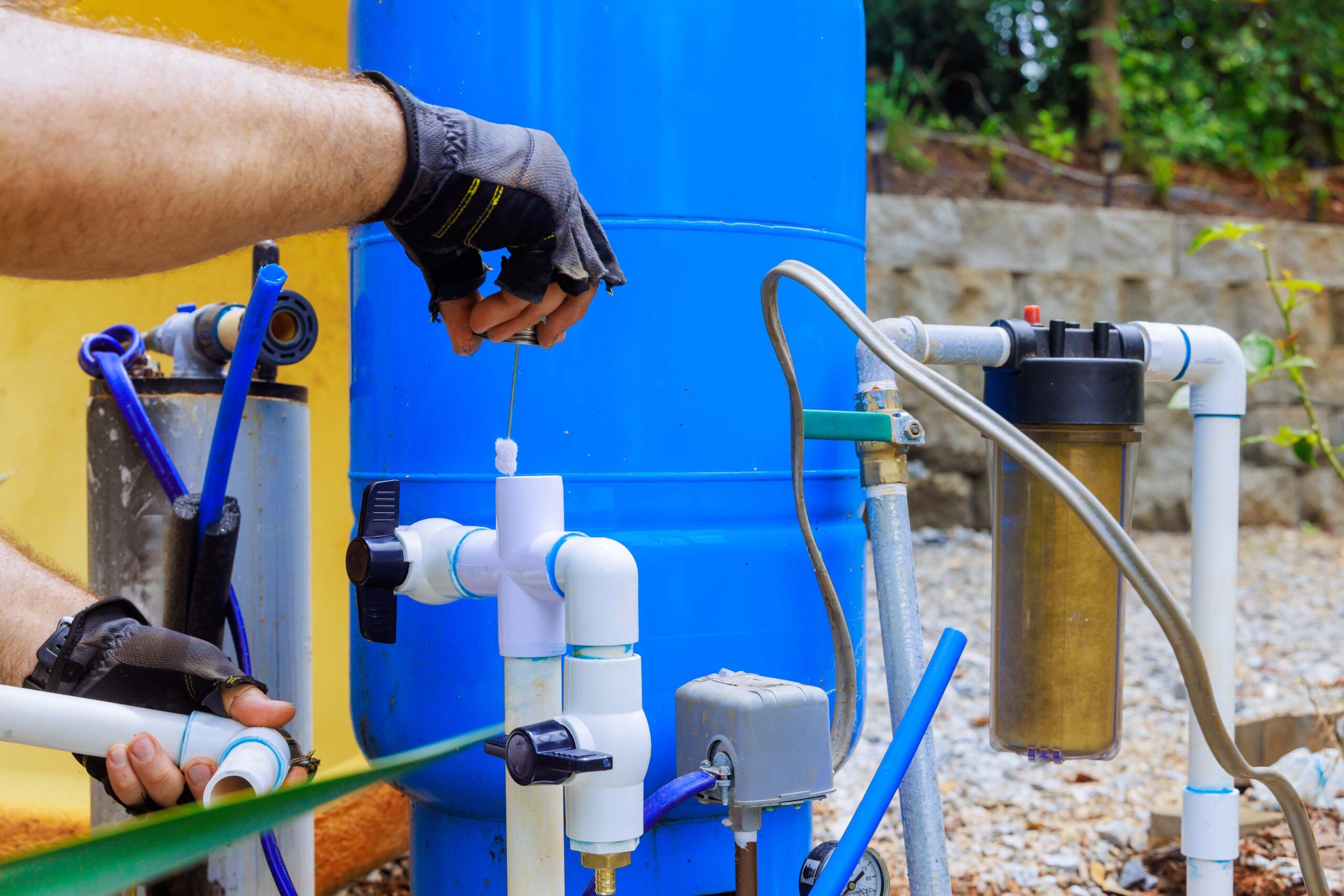

If your well pump suddenly stops working or starts acting up, it can quickly turn into a major hassle. Finding a reliable local repair service that understands the unique conditions of your area isn’t always easy, but it’s crucial for getting your water flow back without delay. Knowing what to look for in a repair company and recognizing common warning signs can save you time, money, and a lot of frustration—especially when emergencies strike. This guide is packed with practical advice and insights to help you make smart choices about well pump repairs near you.
For expert well pump repair services near you, Stevens Drilling offers reliable, professional repairs throughout the Texas Hill Country and surrounding areas. With decades of experience and certified technicians, we provide prompt diagnostics, repairs, and maintenance to keep your water system running efficiently. Contact us at (830) 947-0245 to schedule a service call today.
Finding Well Pump Repair Services Nearby
Searching for “well pump repair near me” often leads to a long list of results. While online directories like Yelp or Google Maps help identify nearby companies, they only scratch the surface of what you need to know before committing to a service.
The real challenge lies in sifting through those choices to find someone who not only understands the unique challenges of water systems in your area but also stands ready with quick, reliable service—especially when you’re facing an emergency. For Texas Hill Country residents, this local expertise matters because geological conditions and well depths here demand specialized knowledge that national chains may lack.
Beyond star ratings and reviews, it’s important to verify whether the company is deeply rooted in the region like Stevens Drilling, which has served South Texas since 1968. Their decades of experience mean technicians are familiar with common issues like sediment buildup and aging pumps that frequently plague local wells.
When a pump goes down, having a neighborly expert who values prompt response times as much as quality repairs makes all the difference between days of water disruption or an efficient fix.
Another useful approach is tapping into community resources. Local farmer co-ops, irrigation specialists, or even your homeowners’ association can provide insights about trusted repair services that have proven their worth over time.
These firsthand recommendations often reveal nuances that online platforms miss—such as which companies honor warranties without hassle or which ones show up prepared with the right equipment.
Take the case of a recent homeowner near Boerne who shared how Stevens Drilling quickly diagnosed a failing submersible pump and had it running again within hours. Their expert crew was praised not only for technical skill but for transparent pricing and clear communication throughout the process—qualities that foster trust and peace of mind.
Weighing Convenience Against Expertise
While proximity is essential for emergency repairs, don’t let convenience overshadow expertise. Sometimes, the closest technician might lack the tools or parts needed to handle complex fixes onsite, causing delays and added costs if they must reorder components.
Companies that combine local presence with comprehensive service capabilities save you from this frustration.
Before scheduling service, ask if technicians carry spare parts relevant to your pump model and whether they perform thorough diagnostics before quoting repairs. Insist on clear explanations about what’s wrong and available solutions so you can make informed decisions rather than just accepting vague estimates.
Tip: Keep a record of your well’s model and service history handy—it speeds up diagnosis and ensures uniformity if you switch providers.
Verifying Credentials and Compliance
Trustworthy well pump repair services also maintain compliance with Texas Commission on Environmental Quality (TCEQ) rules and local environmental regulations. It’s crucial that repairs preserve not only pump performance but water safety standards as well.
A company locally licensed with proper permits shows commitment to these standards.
Feel free to request proof of licensing, insurance, and recent customer references when evaluating potential repair services like Stevens Drilling. This level of transparency separates seasoned professionals from less reliable operators.
Understanding where to find reliable help forms just one part of maintaining your well pump’s health. Next, we examine some typical issues that can cause your system to falter and what signs to watch for before small problems become emergencies.
Identifying Common Well Pump Issues
One of the most alarming signs that something is wrong with your well pump is a complete loss of water supply. When the water just stops flowing, it’s not always immediately clear why.
The cause could be as simple as an electrical failure—perhaps a tripped breaker or a faulty wiring connection—but sometimes it’s more involved. A broken pressure switch, which acts like a traffic cop telling the pump when to start and stop, may have failed. Occasionally, the well itself has run dry, especially during drought conditions or if your water use exceeds the recharge rate underground.
It pays to check these possibilities early because the sooner you identify the root cause, the faster you can get back to reliable water access.
But even if your pump is still pushing water, sudden changes in water pressure often signal issues that shouldn’t be ignored.
Water pressure that fluctuates unexpectedly—either dropping low or surging high—can indicate several underlying troubles.
At Stevens Drilling, we frequently see clients with diminished pressure caused by sediment clogging the intake screens or internal parts of the pump. Over time, tiny particles wash down through the groundwater and build up inside your equipment, making it work harder and less efficiently.
Sometimes leaks in underground pipes or loose fittings explain these shifts; water escaping before it reaches your tap affects pressure noticeably. Conversely, spikes in pressure might come from malfunctioning pressure tanks that don’t absorb shocks properly, leading to strain on your system.
Understanding these symptoms is crucial because they often precede more severe damage. For example, running a pump with clogged components or inadequate pressure can burn out motors prematurely or cause seals to fail. Catching these signals early allows for preventative maintenance rather than costly emergency repairs.
Beyond pressure troubles and no-water scenarios, other less obvious but equally important issues deserve attention.
Strange noises emanating from your pump offer another clue. Grinding, whining, or rattling sounds usually hint at worn bearings or debris caught in moving parts. These noises aren’t merely inconveniences—they’re warnings that mechanical failure is looming if not addressed promptly.
Similarly, frequent cycling—where the pump turns on and off rapidly—is a sign that the pressure tank’s air charge needs adjusting or that a leak exists somewhere in your system.
From experience working across Texas Hill Country since 1968, Stevens Drilling advises homeowners to listen carefully for any unfamiliar sounds or irregular operating patterns in their pumps. These often subtle clues prevent situations where suddenly you have no water at all and face an urgent emergency call.
If you notice any of these signs—loss of water flow, erratic water pressure, unusual noises—don’t hesitate to contact trusted local experts such as Stevens Drilling at (830) 947-0245. Early diagnosis can save money and extend your pump’s lifespan while ensuring safe access to clean water.
“A well-maintained pump is your first defense against unexpected dry taps.”
Now that we’ve examined how recognizing early warning signs can protect your water supply, let’s explore what those pressure fluctuations mean and how they impact pump performance over time.
Water Pressure and Pump Malfunctions
Water pressure issues often cause a cascade of frustrations for homeowners—from barely noticeable drips to sudden drops leaving faucets nearly dry. The key to resolving these problems begins with pinpointing where the system is faltering, so you can act efficiently and prevent further damage. One critical piece at the heart of this puzzle is the pressure switch, typically located near your pressure tank.
Step I – Check the Pressure Switch
The pressure switch controls when your pump turns on and off by sensing water pressure in the system. Over time, this switch is prone to corrosion or mechanical wear, which can falsely trigger the pump or stop it altogether. Start by turning off power to your system for safety, then inspect the switch for any visible signs of rust, dirt buildup, or broken contacts.
Cleaning the terminals may sometimes restore functionality, but if the switch appears damaged or outdated, replacing it is usually the best course of action to avoid erratic pump behavior.
While a faulty pressure switch is often an easy fix, these symptoms can point toward deeper issues within your system’s ability to handle water pressure.
Step II – Examine the Pressure Tank
Your pressure tank plays a vital role—acting as a buffer that stores water under pressure so your pump doesn’t have to run constantly. Inside many tanks lies a rubber bladder filled with air, which compresses as water fills the tank. When this bladder is compromised by leaks or ruptures, or if the air charge drops below optimal levels, the tank will fail to maintain consistent pressure.
With a simple tire gauge, check the tank’s air side—empty water from the tank’s bottom valve first so you get an accurate reading. Compare this air pressure with manufacturer recommendations (usually found on a label affixed to your tank). Adjusting air levels with an air compressor or bicycle pump can often restore smooth operation without replacing parts.
But when both the pressure switch and tank check out fine, yet problems linger, you’re likely facing challenges rooted directly in your well pump itself.
Step III – Inspect the Well Pump
Your well pump works tirelessly underground to deliver water through pipes into your home. As mechanical devices age or endure stressful conditions—think fluctuating electricity supply or sediment buildup—they start losing efficiency and eventually fail.
Unlike inspecting external components, diagnosing pump malfunctions requires specialized equipment and training due to its location deep in the borehole. Indicators like irregular noises, frequent cycling on and off, or no water flow despite good power suggest internal wear or motor issues that only experienced professionals should address.
If earlier steps haven’t resolved your pressure woes, calling a trusted local expert—like Stevens Drilling with decades serving South Texas communities—ensures proper diagnosis and safe repair or replacement without risking costly mistakes.
“Water isn’t just a commodity; it’s life’s essential resource,” says Korri Stevens of Stevens Drilling. “Protecting your well system protects your home and family.”
Treating water pressure problems with patience and care—starting from checking accessible parts like switches and tanks before consulting experts—saves time and money. Regular maintenance schedules recommended by specialists prevent many common malfunctions before they interrupt your daily life. Always reach out early when unusual symptoms start showing up so qualified technicians can keep your well running smoothly year-round.
- Test pressure switch for corrosion/damage annually.
- Monitor tank air pressure quarterly.
- Schedule professional well pump inspections every 2–3 years (or sooner if issues arise).
Maintaining this routine gives you peace of mind that your water supply remains reliable—a cornerstone of comfortable living in South Texas Hill Country and beyond.
Understanding how to troubleshoot common well system problems sets the stage for making informed decisions about whether repairs are sufficient or replacement becomes necessary. This insight opens the door to evaluating options that best suit your situation and budget.
Repair or Replace: Making the Right Choice
When your well pump starts showing signs of trouble, the immediate question is whether to fix it or invest in a new one. The age of the pump plays a significant role here. Pumps that have served you well for over a decade—typically around 10 to 15 years—tend to develop recurring issues. At some point, repeated repairs not only become a financial burden but also risk leaving you without water when you least expect it. This is especially relevant in Texas Hill Country, where reliable water access is critical, and downtime can affect everything from daily living to irrigation needs.
Beyond simply looking at age, understanding the economic side helps clarify the decision further.
Evaluating the cost-effectiveness of repair versus replacement is often the deciding factor. Minor repairs like replacing worn seals or fixing leaks might come cheaply, usually between $100 and $500. However, major fixes—such as motor rewinding or piston replacements—can escalate costs into the $500 to $1,500 range. In contrast, investing directly in a new pump can run anywhere from $1,500 up to $4,000 depending on specifications and installation complexity.
| Factor | Repair Cost | Replacement Cost |
|---|---|---|
| Minor Repairs | $100 – $500 | N/A |
| Major Repairs | $500 – $1,500 | $1,000 – $2,000 |
| Total Replacement | N/A | $1,500 – $4,000 |
If your estimated repair bill approaches or exceeds half the price of buying a new pump, it’s generally wise to lean toward replacement. Not only does this avoid the “repair roulette” of future breakdowns, but modern pumps also bring improvements in efficiency and durability that save money in the long run.
Another aspect to consider is performance and reliability post-repair. Older pumps—even if repaired successfully—may still run less efficiently, consume more power, or be prone to failure soon after service. Investing in a new unit from trusted providers like Stevens Drilling ensures access to up-to-date technology tailored for South Texas’ unique groundwater conditions. We recommend always consulting professionals who can evaluate your specific well environment and help select equipment that fits your needs and budget.
So making an informed choice isn’t just about dollars but also about securing peace of mind and uninterrupted water supply.
In times of emergency repairs especially, quick expert assessment matters; knowing when it’s time for replacement before a crisis hits will save you both money and stress. Stevens Drilling has been serving the Texas Hill Country since 1968 with reliable service and guidance tailored to local conditions. Whether you need urgent repairs or advice on upgrading your well system, their seasoned technicians offer competent support grounded in decades of experience.
“Water is life.” John 4:14 — This reminder highlights why maintaining dependable access through properly working pumps isn’t an option but a necessity.
If you’re facing uncertainty about your well pump’s condition or are searching for trusted “well pump repair near me,” don’t hesitate to reach out to Stevens Drilling at (830) 947-0245 or visit stevensdrilling.com for expert evaluation and service tailored specifically to South Texas water challenges.
Understanding how to make smart decisions about repairing or replacing your pump sets the stage for choosing the right professionals who can deliver quality work you can count on. This brings attention to what matters most when entrusting your well service needs.
Selecting a Reliable Repair Service
Entrusting your well pump to someone means more than just seeing a certification badge on their wall. It’s about knowing that they’ll show up on time, diagnose the problem accurately, and fix it efficiently—without surprises or hidden costs.
A reliable repair service acts not just as a mechanic, but as a trusted partner in maintaining one of your home’s most vital systems: the water supply.
Start by browsing through online reviews and testimonials. In today’s digital world, feedback from previous customers often paints the clearest picture of what to expect. Look for patterns: Are customers repeatedly commending quick response times? Do technicians arrive prepared with the right tools? Is communication clear and straightforward? These are solid indicators of professionalism.
“Stevens Drilling came out promptly when our water pressure dropped unexpectedly. Their team was courteous, explained every step clearly, and had our pump running again before we knew it.”
— Local Customer Feedback
Keep in mind that many repair challenges stem from improper initial work or rushed repairs. That’s why choosing a company like Stevens Drilling—with decades of hands-on experience since 1968—makes a difference.
Their longevity in South Texas is not just history; it reflects consistent performance and an ongoing commitment to quality. Certified technicians understand the specifics of local geology and well construction, which translates into tailored solutions rather than generic fixes.
Ask about guarantees or warranties on repairs. A confident company stands behind its work with clear commitments, offering added peace of mind should any issues arise shortly after service.
Here’s how to vet your potential repair service:
- Verify certifications and licenses relevant to water well services.
- Read at least 10 recent customer reviews across multiple platforms.
- Confirm availability for emergency repairs.
- Check if they provide transparent pricing upfront.
- Ensure they have specialized equipment suitable for local well types.
Beyond reputation and credentials, it’s wise to consider how easily you can communicate with the company—a factor often overlooked but critical during emergencies.
When water stops flowing unexpectedly, frustration adds urgency. You want a team that picks up the phone quickly, listens closely to your concerns, and communicates clearly about what will happen next. Reliability means steady support before, during, and after the repair job is complete.
Stevens Drilling exemplifies this approach with personalized customer care rooted in family values. They aren’t just fixers; they see themselves as caretakers of an essential resource that powers your household and livelihood.
For trusted well pump repairs in Texas Hill Country, calling (830) 947-0245 connects you directly to experts who understand your needs—and deliver solutions that last.
While professional assistance is invaluable, many common issues can be addressed quickly with some handy troubleshooting tips—a valuable skill set before calling in an expert technician.
DIY Troubleshooting for Quick Fixes
When your well pump isn’t working as it should, the first step is often to perform some basic checks yourself. Before dialing for emergency help, taking a few minutes to troubleshoot can uncover easy fixes that restore your water flow without delay or expense.
For example, ensuring the pump has power is crucial: if a circuit breaker tripped or a fuse blew, the whole system will remain silent. Flipping a breaker switch or replacing a blown fuse might be all you need.
But power is just one piece of the puzzle. Next, carefully inspect your pipes and connections for leaks. Even a small drip can sap pressure and reduce performance substantially. If you notice wet soil near pipe joints or hear hissing sounds, that’s a strong clue water is escaping somewhere it shouldn’t.
While some leaks are minor and may be temporarily managed with tightening or patching, persistent problems usually demand professional care — yet identifying this early saves time and expense later.
Another surprisingly simple step is to reset the pump itself. Many modern well pumps come equipped with built-in reset buttons designed to clear minor faults or overloads. Pressing this button can be akin to rebooting your computer — it restores normal function without invasive repairs. However, always follow the manufacturer’s instructions when performing resets to avoid causing damage.
Then there’s the matter of debris buildup inside the pump mechanism. Over time, sediment, sand, and organic material can clog components, choking off water flow or causing erratic operation. This rarely requires full disassembly but cleaning accessible parts—like pump screens or intake filters—can breathe new life into your system.
Be careful during cleaning; using gentle brushes and fresh water helps remove buildup without harming delicate components.
These troubleshooting steps are low-risk ways to tackle common issues quickly and effectively on your own. Yet it’s equally important to recognize when the problem lies beyond quick fixes — unusual noises, persistent leaks, no water output despite power supply, or physical damage are signs it’s time to call in professionals like Stevens Drilling. Acting promptly prevents costly breakdowns and ensures your well system remains safe and reliable.
Understanding when a problem requires professional intervention and knowing how to find a trustworthy local service can make all the difference in maintaining a healthy well pump system.
Taking these initial troubleshooting steps empowers you to manage minor hiccups while positioning you to seek expert help before small issues become major repairs. Maintaining a reliable water source depends on timely action and trusted service.