
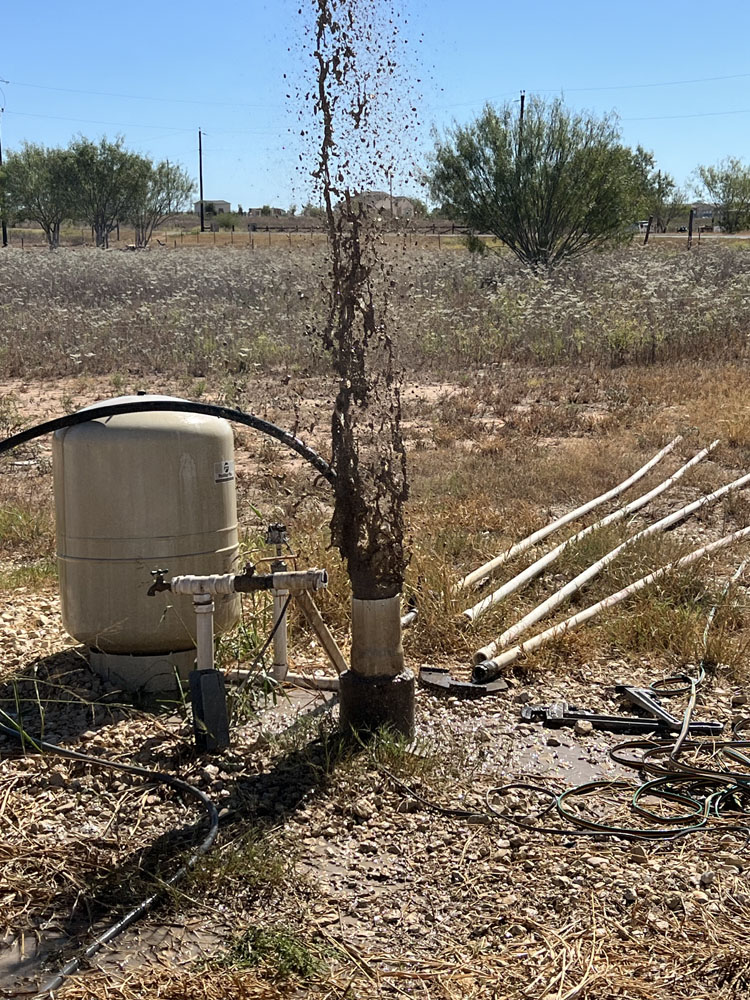

When your well pump breaks down, finding help fast becomes a top priority—after all, you need water flowing for your home or business every day. But “well pump repair near me” isn’t just about calling anyone who answers; it’s about connecting with local experts who know the ins and outs of your area’s water systems and can get your pump back up quickly and safely. In this article, we’ll walk you through what to look for in trusted repair services, how to spot common problems early, and why having professionals nearby makes all the difference when emergencies happen.
Stevens Drilling offers expert well pump repair services throughout the Texas Hill Country and South Texas regions, providing fast, dependable repairs to restore your water supply. Contact us at (830) 947-0245 or visit our website to schedule service with experienced technicians familiar with local well systems.
Finding Local Well Pump Repair Experts
Searching for well pump repair specialists isn’t just about locating the nearest company; it’s about identifying professionals with deep local knowledge and experience. In regions like the Texas Hill Country and South Texas—areas served by companies such as Stevens Drilling—this local expertise is invaluable. These experts understand the unique geology and water systems that impact well performance, which directly influences how repairs should be approached.
While online reviews from platforms like Google Business or Yelp are helpful, don’t overlook word-of-mouth recommendations from neighbors or local community groups. Such insights often reveal who delivers consistent quality service and who can respond promptly during emergencies. A company with longstanding roots in the region—like Stevens Drilling, family-owned since 1968—tends to have built trust through years of dependable work.
Another critical factor is verifying that your chosen expert complies with state regulations, such as the Texas Commission on Environmental Quality (TCEQ) requirements. Licensed professionals ensure that repairs meet safety standards and preserve water quality—a crucial consideration often missed by first-time well owners. Confirming licensing and insurance protects you from liability and guarantees that the technician has the right training for your equipment.
When narrowing down your choices, inquire about their diagnostic process. Effective repair experts typically begin with a thorough inspection to identify issues such as pump motor failures, pressure tank problems, or electrical faults. They explain the problem clearly and suggest repair options—or replacements—while considering your budget and water needs.
Emergency responsiveness is another key attribute. A failing well pump can disrupt your household or business operations quickly. Local companies that can dispatch technicians swiftly minimize downtime and prevent additional damage. Look for those offering emergency repair services, preferably with flexible hours or after-hours availability.
Finally, consider a provider who offers ongoing maintenance packages in addition to repairs. Regular servicing extends the life of your pump, enhances efficiency, and can detect minor faults before they turn into costly breakdowns. Stevens Drilling, for example, integrates maintenance with filtration solutions, helping homeowners maintain clean, consistent water flow year-round.
“A trusted well pump repair expert is not just a fix-it person but a long-term partner in securing reliable access to one of life’s most essential resources: water.”
With trusted experts identified and an understanding of their capabilities established, the next logical step involves pinpointing the precise causes behind your well pump’s troubles to ensure targeted and effective solutions.
Diagnosing Well Pump Issues
When your well pump starts acting up, it’s crucial to understand what those warning signs mean before jumping into repairs or replacements. Knowing the symptoms helps in accurately diagnosing the problem, which not only speeds up the repair process but can also prevent unnecessary costs.
For example, no water flow doesn’t always mean a broken pump—it might be as simple as a tripped circuit breaker or a malfunctioning pressure switch that someone with basic knowledge can reset or report effectively. This initial insight is valuable because well pumps operate within a system sensitive to multiple factors: electrical components, plumbing integrity, and even groundwater levels.
One common diagnostic challenge lies in distinguishing whether low water pressure arises from internal mechanical issues or external environmental changes. Clogged pipes or worn impellers inside the pump restrict flow, while falling groundwater levels due to drought or overuse require a different approach altogether, possibly involving deeper drilling or alternate sourcing.
Similarly, strange noises often point toward mechanical wear—worn bearings or debris lodged inside the pump housing create vibrations and humming that signal it’s time for inspection. Understanding these subtleties allows you to gauge the urgency: abnormal sounds typically need faster intervention to avoid complete failure.
Another frequent culprit behind erratic pump behavior is “short cycling.” This term refers to rapid on-off cycles of the pump motor caused by problems with the pressure tank or faulty controls. Short cycling doesn’t just waste electricity; it causes premature wear on components and reduces your well’s lifespan.
If you notice your pump constantly starting and stopping, it’s a red flag that shouldn’t be ignored. By diagnosing this early, repairs might be limited to adjusting tank pressures or replacing small parts rather than undertaking full-system overhauls.
Here’s a breakdown of typical symptoms—and how they relate to likely causes:
- No Water Flow — Could result from power interruptions, damaged wiring, malfunctioning pressure switches, broken pipes, or even frozen lines in colder months.
- Low Water Pressure — Often stems from clogged pipelines, partly blocked intakes at the well screen, a failing motor, or decreased aquifer levels.
- Unusual Noises — Worn bearings, loose impellers, or foreign objects inside the pump create grinding or rattling sounds.
- Short Cycling — Usually linked to improper air charge in pressure tanks or failing pressure control switches.
- Cloudy or Dirty Water — Indicates sediment intrusion either from damaged well screens, surface contamination seeping into the water supply, or mineral buildup within pipes.
Once you’ve matched symptoms with possible causes in your mind, there are some quick preliminary checks that anyone can perform safely before expert help arrives.
For instance, checking your circuit breakers and ensuring the power source is stable might immediately solve no-flow problems without further expense. You could also inspect visible pipes for leaks or obvious damage and clear any filters accessible on your system.
These small steps put you ahead of the game because when you call a local specialist like Stevens Drilling—who has over 50 years of experience serving Texas Hill Country—they’ll already have detailed information about what you’ve observed and done. That enables more accurate recommendations and faster resolutions tailored specifically to your system’s needs.
At Stevens Drilling, we encourage well owners to stay informed about their equipment’s performance and reach out promptly when unusual symptoms appear. Preventive diagnostics are part of extending your well’s life and maintaining a reliable water supply for your home, farm, or business across South Texas.
Becoming familiar with common well pump issues equips you to take smarter action—whether performing safe initial checks yourself or providing technicians with precise observations—ultimately protecting your investment in clean water and reducing emergency repair costs.
Before professional help arrives, there are practical steps that can sometimes keep things running smoothly just a little bit longer. Exploring these immediate actions helps bridge the gap until experts take over.
Quick Fixes Before Help Arrives
One of the most common—and simplest—issues with a well pump is a disruption in the power supply. Start by checking your circuit breaker or fuse box. Sometimes the breaker trips unexpectedly due to electrical surges or overloads, cutting off power to the pump.
Resetting the breaker or swapping out a blown fuse can instantly restore power and might be all you need to get your system running again. It’s a small step that often gets overlooked but could save you from unnecessary waiting.
Power problems aren’t always obvious, so if resetting the breaker doesn’t do the trick, the next place to turn your attention is the pressure switch.
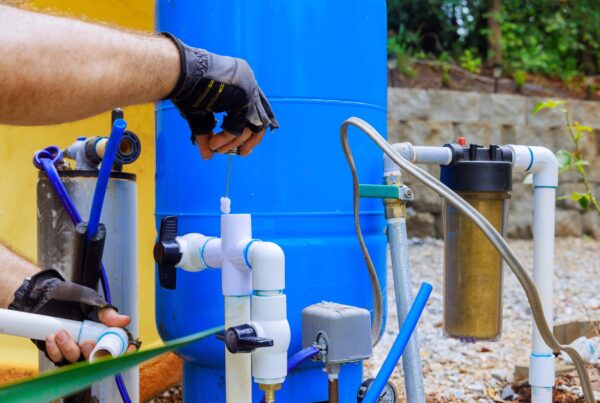
The pressure switch acts like a gatekeeper controlling when your pump turns on and off based on water pressure levels. If it becomes clogged with dirt, rust, or sediment—common in many Texas Hill Country wells—it may fail to signal the pump correctly.
Carefully removing any debris from the switch contacts can sometimes restore function without replacing parts. However, if cleaning doesn’t help or if you notice visible wear, swapping out that faulty switch will prevent further damage down the line and improve system reliability.
If power and pressure controls check out fine, another frequent cause of low water pressure or flow lies closer to where water actually enters your home: the aerator and filters.
These components act as first-line defenders against sediment and impurities from muddy or mineral-heavy groundwater typical of our region. Over time, sediment builds up within these tiny screens causing clogs that choke water flow even if everything else is working perfectly.
Removing and rinsing them thoroughly with clean water often clears blockages immediately. Be sure to inspect both parts carefully; neglecting filter maintenance is one of the quickest ways to reduce household water efficiency and stress your pump unnecessarily.
Doing these quick troubleshooting steps yourself helps minimize downtime but should never replace expert evaluation by professionals like those at Stevens Drilling. We bring over 50 years of experience servicing well pumps across South Texas, ensuring any underlying issues are diagnosed precisely and repaired efficiently.
After trying these initial fixes, connecting with experienced local technicians ensures your well pump receives thorough care and lasting performance.
Choosing Reliable Repair Services
Picking the right professionals for well pump repair isn’t just about convenience—it’s about safeguarding your home’s water supply and avoiding costly repeat visits. You want a company that not only understands the technical details but also knows local water conditions, regulations, and the unique challenges found in Texas Hill Country wells. For instance, Stevens Drilling has been serving this region since 1968, blending deep-rooted community knowledge with hands-on expertise. Their longstanding presence illustrates why relying on experienced specialists leads to faster diagnostics and more durable fixes.
Beyond credentials like licensing and insurance—which are non-negotiable—consider how well a company communicates. Do they clearly explain potential issues and repair options? Are they upfront about costs and timelines? Transparency here reflects professionalism and builds trust, especially during urgent repairs when pressure is high. A local team also often means quicker response times; waiting days for help when your water pump fails can severely disrupt daily life.
Emergency service availability is another cornerstone. Reliable services offer 24/7 support or at least rapid callbacks because pump failures don’t follow business hours. Ask whether they have on-hand replacement parts or if delays might extend downtime. A dependable provider anticipates these needs to prevent extended disruptions.
One homeowner in Seguin shared their experience:
“Stevens Drilling arrived within hours of my call late at night. They identified a faulty motor immediately and had it running again by morning. This kind of promptness saved us from going without water.”
When evaluating potential repair providers, keep these criteria in mind:
- Proper licensing and insurance
- Proven experience with well pumps similar to yours
- Positive customer reviews or testimonials
- Availability of emergency and after-hours service
- Transparent pricing estimates before work begins
- Local knowledge ensuring compliance with Texas Commission on Environmental Quality (TCEQ) rules
Understanding what makes a repair service reliable sets the stage for the next important consideration: the financial aspect of emergency well pump repairs and what expenses you should anticipate when sudden problems arise.
Costs of Emergency Repairs
When your well pump suddenly fails, the urgent need for repair often comes with a price tag that can catch you off guard. Emergency repairs usually involve not only the cost of parts and labor but also a surcharge for immediate service outside regular hours. This surcharge typically ranges from $100 to $300, reflecting the urgency and prioritization of your request.
It’s important to know that while this extra fee may seem steep, it ensures seasoned technicians are available to swiftly restore your water supply, reducing downtime and lessening inconvenience.
Aside from surcharges, the overall expense depends greatly on the type of repair needed. Basic inspections, which check for common issues like electrical faults or minor blockages, generally fall between $75 and $150. They serve as a valuable first step in diagnosing problems early before they escalate.
Pressure switch repairs – a common culprit behind pump malfunction – might range from $100 to $200 depending on part quality and labor. In contrast, major repairs such as full pump replacement could run anywhere from $500 to over $2,000 because they involve significant parts and installation efforts.
These costs emphasize how emergencies can quickly become costly if problems are neglected or ignored until water flow ceases completely. Waiting too long to address well issues often compounds damages, raising both repair complexity and expenses.
Emergency repairs naturally command premium pricing since companies must prioritize urgent calls with rapid response teams who bring specialized tools and expertise directly to your property.
To shield yourself from surprise expenses and reduce the frequency of emergencies, regular preventive maintenance is critical. Routine check-ups performed annually or bi-annually catch wear or minor faults early, helping avoid sudden breakdowns during crucial times.
Besides saving money in the long run, scheduled maintenance extends your pump’s useful life by ensuring all components function smoothly under Texas Hill Country’s demanding conditions.
Building on this understanding of costs and prevention strategies, it’s essential to learn hands-on steps you can take at home to keep your well pump in optimal condition and avoid unexpected repair needs.
Essential Maintenance Tips
Well pumps may seem durable, but without routine care, their performance can quickly decline. One of the simplest yet most impactful steps is scheduling an annual inspection by a qualified technician. These professionals not only identify wear and tear but also catch subtle signs of pump inefficiency before they escalate into full-blown failures. Ignoring this step often leads to unexpected shutdowns right when you need water the most.
Alongside inspections, conducting bi-annual water quality tests is crucial. Water impurities like sediment or mineral buildup can clog your pump or corrode its components. By testing regularly, you gain insight into any emerging contamination issues and can address them proactively rather than waiting for damage to surface. This step protects both your water supply and the pump’s internal mechanics.
Another important task is regular cleaning of both the well and pump components. Over time, sediments settle at the bottom of wells or stick to pump parts, impeding water flow and stressing the motor. Cleaning removes these blockages, optimizing efficiency and extending the lifespan of your system. It’s a hands-on act that rewards diligence—neglecting it often results in reduced water pressure or complete failure.
Equally vital is to monitor your system’s pressure regularly. Pressure gauges tell you how effectively your pump moves water; deviations can signal leaks, wear, or mechanical faults. Spotting these early means you can schedule repairs before a minor issue turns into an expensive breakdown.
“Regular maintenance isn’t just about fixing problems—it’s about preventing them.”
While these steps empower you to care for your well pump proactively, enlisting professional expertise ensures thorough diagnostics and repair capabilities beyond DIY measures. This professional touch not only addresses immediate issues but also safeguards long-term functionality, setting the stage for understanding why skilled assistance makes a difference going forward.
Benefits of Professional Assistance
When it comes to well pump repair, the difference between a quick fix and a costly mistake often boils down to expertise and tools. Professionals bring years of hands-on experience, allowing them to quickly identify whether an issue stems from electrical faults, mechanical wear, or plumbing blockages. Their specialized diagnostic equipment—such as pressure gauges, flow meters, and electrical testers—provides precise insights that aren’t usually accessible to the average homeowner.
This accuracy is crucial because even small oversights can lead to ongoing problems or damage to the entire water system.
By entrusting your well pump repairs to skilled technicians like those at Stevens Drilling, you tap into both knowledge and technology designed specifically for effective troubleshooting. From portable pumps to submersible units, professionals understand the nuances of different models and tailor their approach accordingly.
One satisfied client from Boerne shared,
“We tried to fix our pump ourselves, but after multiple attempts and wasted time, calling Stevens Drilling made all the difference—their technicians not only repaired it swiftly but explained how to avoid future issues.”
Beyond technical know-how, relying on professionals also means gaining peace of mind through safe and compliant repairs.
Safety and Compliance
Well pumps involve electricity and water—a risky combination if handled improperly. Certified repair specialists follow strict safety protocols that protect both themselves and your property during servicing. This reduces the risk of electrical shocks, fire hazards, or water contamination that could otherwise result from amateur repairs.
Furthermore, professionals are familiar with Texas Commission on Environmental Quality (TCEQ) regulations, ensuring all work meets legal standards designed to protect groundwater resources.
This compliance isn’t just red tape; it ensures your water remains clean and the environment unharmed. When you hire local experts from trusted companies like Stevens Drilling, their service includes both thorough repairs and adherence to regulatory guidelines.
Maintenance performed correctly also translates into long-term savings and reliability.
Long-Term Efficiency and Cost Savings
A well-maintained pump operates more efficiently, reducing electricity use and extending the life of your equipment. Professional services include comprehensive inspections that reveal early signs of wear or potential failure before they escalate into full breakdowns. Catching these issues early can save hundreds—even thousands—in replacement costs over time.
For example, worn bearings or corroded wiring may seem minor until they cause total pump failure during peak demand seasons such as summer irrigation periods. Professionals not only replace faulty parts with quality components but also provide expert advice tailored to your specific water needs—whether residential, agricultural, or commercial.
Ultimately, professional well pump repair is an investment that keeps your water supply steady when you need it most.
Assurance and Reliability
Knowing you have a local team ready to respond quickly in emergencies is invaluable in regions like the Texas Hill Country where dependable water access is critical. Companies like Stevens Drilling pride themselves on prompt service calls and transparent communication throughout the repair process. This reliability minimizes downtime and helps maintain daily routines without interruption.
“When our pump failed unexpectedly in Wilson County, Stevens Drilling was on-site within hours—fast service like this means everything when your household depends on well water.”
— Local Customer Testimonial
Building a relationship with trusted professionals ensures that routine maintenance reminders, emergency response, and future upgrades are handled smoothly. This ongoing partnership supports not only your personal comfort but also safeguards a vital resource for your home or business.
In summary, professional assistance in well pump repair offers unmatched benefits—from superior diagnostics and safety to cost-effective longevity—and is essential for preserving reliable access to clean water.
Choosing expert local repair services ensures your well pump performs reliably and efficiently for years to come. Entrusting your repairs to seasoned professionals protects both your investment and your quality of life.