
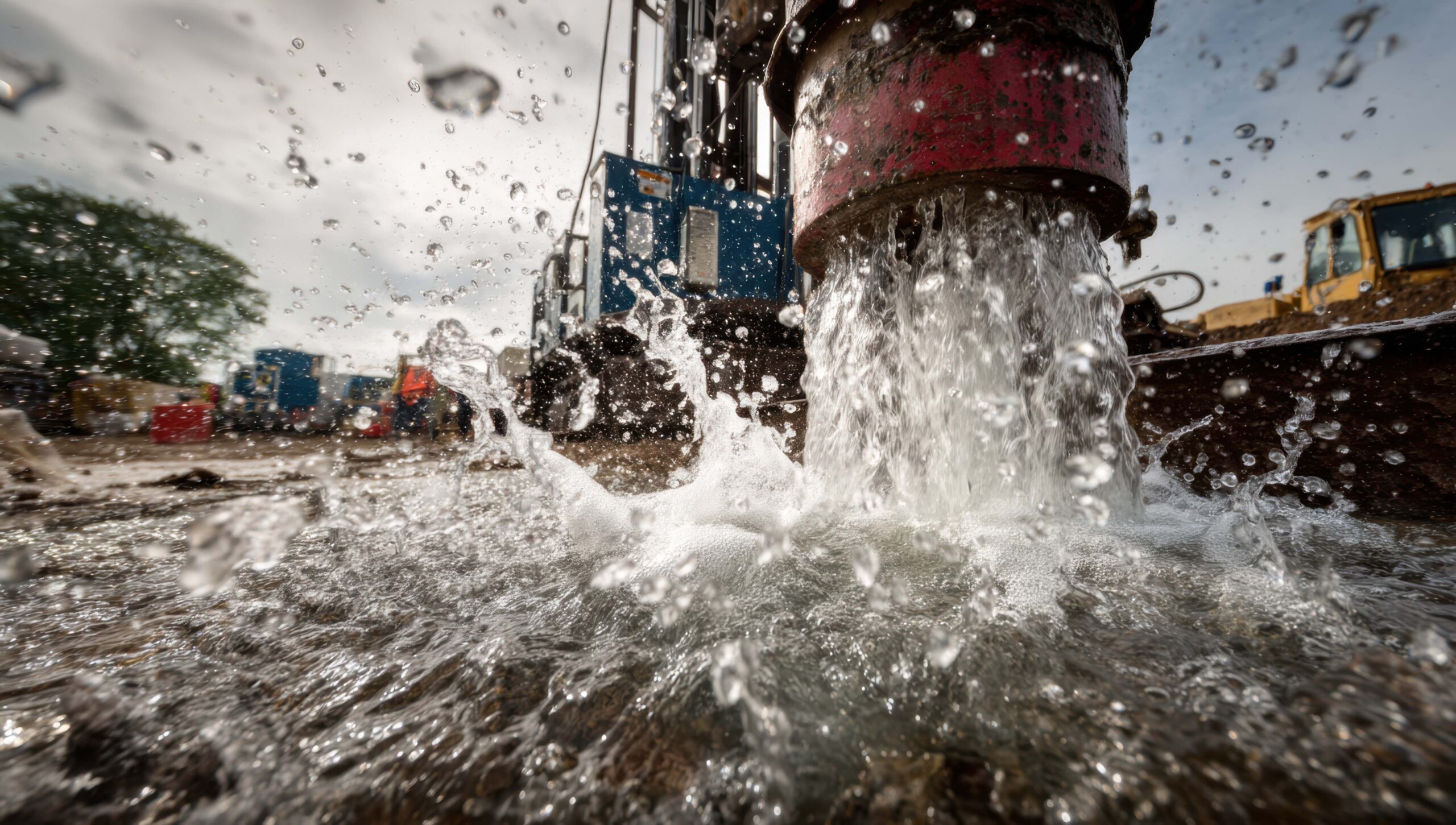

Water Well Installation: A Complete Guide to Cost and Professional Service
When you think about having your own water well, it might seem as simple as just digging a hole and finding water. But there’s actually quite a bit that goes into making sure that well works right—providing clean, steady water for years to come. From picking the perfect spot to choosing the right equipment and drilling the well safely, each step matters a lot. In this guide, we’ll walk you through everything you need to know about installing a water well in Texas Hill Country, so you can feel confident that your investment won’t run dry.
Water well installation involves site evaluation, drilling to access a reliable water source, installing the casing and pump system, and ensuring compliance with local regulations. At Stevens Drilling, we specialize in expert water well installation throughout the Texas Hill Country, providing personalized service tailored to your specific needs—whether for home, irrigation, livestock, or commercial use—backed by decades of experience since 1968.
Assessing Locations and Requirements
When it comes to drilling a water well, understanding the soil and geological conditions is key. You can’t just pick any patch of ground and expect a steady supply of clean water. The layers of earth beneath us tell a story—some layers hold water like sponges, while others are dry or even impermeable. That’s where a soil and geological survey steps in. This survey investigates what types of soil and rock exist in different areas and, more importantly, identifies aquifers—those underground reservoirs that store water.
Often, this step isn’t a solo job for homeowners. A hydrogeologist or experienced well driller brings specialized knowledge, reading geological maps and conducting in-field tests to estimate both the location and depth of reliable water sources. Without this insight, drilling risks hitting dry zones or wells with low yield—leading to wasted resources and disappointment.
Understanding the terrain leads naturally to the next critical factor: knowing how deep you’ll need to drill to reach viable water.
Water Table and Accessibility
Here in Texas Hill Country, groundwater levels fluctuate widely due to varying terrain, rainfall, and rock formations. In some places, the water table might be just 50 feet deep; in others, it could soar far beyond 500 feet. That's why having current local data about water table depths proves invaluable before setting up your well. This information often comes from state resources or previous drilling reports.
But knowing where the water is only matters if you can physically access that spot without damaging your property or violating regulations. Factors like nearby buildings, utility lines, septic systems, and access roads all affect where drilling equipment can operate safely.
Additionally, some locations might require permits from local authorities or compliance with Texas Commission on Environmental Quality (TCEQ) guidelines. Ignoring these factors can lead to costly setbacks or legal headaches.
“Location is everything,” they say—and nowhere is this truer than when planning your water well installation.
Careful location assessment blends both scientific study and practical logistics, setting a strong foundation for successful drilling projects while ensuring safety and compliance. With these assessments complete, attention now shifts toward obtaining necessary permits and organizing the schedule for the upcoming work phase.
Planning the Installation
When it comes to installing a water well, one detail that often gets overlooked is how vital it is to size the well correctly from the start. The depth and diameter aren’t just technical numbers—they directly influence how much water you can draw, how reliable your supply will be over time, and ultimately how cost-effective your system remains.
For example, a typical residential well usually ranges between 100 and 500 feet deep, but this varies dramatically depending on your local geology, water table levels, and intended water use. Commercial or agricultural operations might need even deeper wells with larger diameters to meet higher demand.
Choosing an undersized well might seem like a way to save upfront costs, but it often leads to headaches down the road such as running dry during dry spells or inadequate water flow. Conversely, oversizing without need can inflate your installation budget unnecessarily.
Therefore, consulting with experienced professionals who understand regional aquifers—like the team at Stevens Drilling—is essential. They consider factors like soil composition, seasonal water fluctuations, and pump efficiency to recommend a well plan that balances immediate needs with future-proofing.
Another key element in planning involves assessing the site specifics beyond just regulations and dimensions. You need to consider accessibility for drilling equipment, proximity to septic systems or contaminants, and possible impact on neighboring wells or water bodies.
Proper site selection helps prevent contamination risks and maintains sustainable groundwater usage—a concern especially poignant in Texas Hill Country’s delicate ecosystems.
Here are practical aspects wisely factored into successful installation planning:
- Access for Equipment: Ensuring that heavy machinery can safely reach and operate at the site without damaging other property.
- Setback Distances: Adhering to local codes that require minimum distances from septic systems, property lines, or livestock areas.
- Hydrogeological Surveys: Evaluating soil and rock layers through test boring to anticipate drilling challenges and optimize placement.
- Future Expansion: Considering potential additional water needs for irrigation or new buildings before finalizing depth and capacity.
These measured steps may extend your timeline slightly but adopting a deliberate approach prevents costly repairs or inadequate performance after installation.
Finally, keep in mind that preparing for the installation also means organizing logistics such as scheduling drilling crews, securing equipment rentals if needed, and reviewing contracts carefully.
A transparent dialogue with your drilling service provider—in particular those like Stevens Drilling who prioritize thorough inspections and customer education—will help set realistic expectations on both timing and costs.
“Planning is bringing the future into the present so that you can do something about it now.” — Alan Lakein
With these foundational decisions settled, attention naturally shifts toward selecting the crucial hardware that will bring your well system to life—ensuring reliability and efficiency at every turn.
Essential Equipment and Components
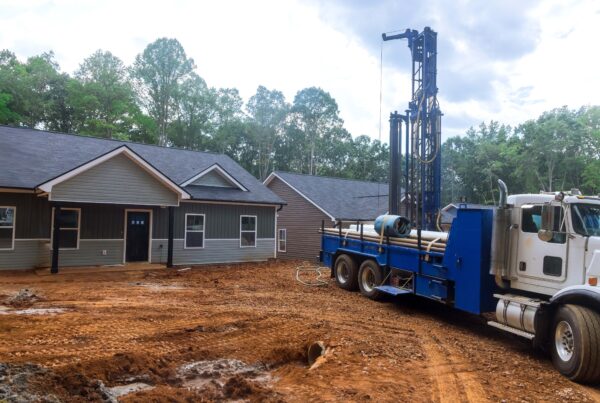
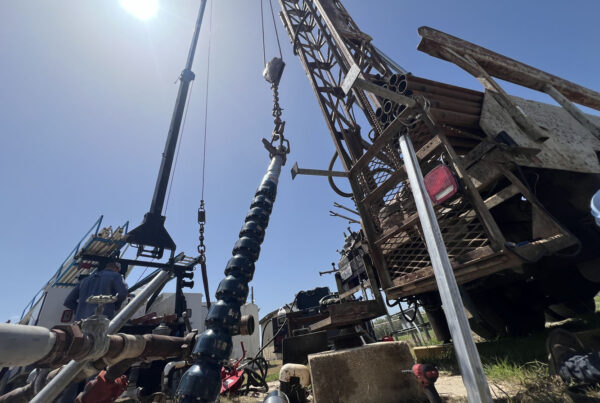
A key part of water well installation isn’t just digging the hole; it’s having the right machinery to drill efficiently and the proper components that will keep your water flowing safely for years. When drilling professionals like those at Stevens Drilling take on a project, they rely on advanced rotary drilling rigs designed for both power and precision.
These machines are no simple contraptions—some modern rigs can drill as much as 200 feet in a single day under optimal conditions. This speed doesn’t come at the expense of accuracy either; detailed controls allow operators to adjust drilling methods according to soil composition and depth.
The choice of equipment impacts not only the pace of installation but also the integrity of the well itself. Using outdated or undersized machinery can increase risks such as borehole collapse or inefficient penetration through hard rock layers. That's why investing in top-tier rotary rigs is more than a convenience—it's a necessity for reliable drilling results.
But drilling is only half the story; what you install inside the well matters just as much to ensure clean, consistent water delivery.
After penetrating the earth, installing high-quality pump systems and safety components becomes critical. Submersible pumps are industry-standard because they operate underwater inside the well casing, pushing water efficiently from deep aquifers to your home or business.
Choosing pumps from trusted manufacturers like Grundfos or Franklin Electric ensures durability and performance, which translates into fewer breakdowns and better energy efficiency over time.
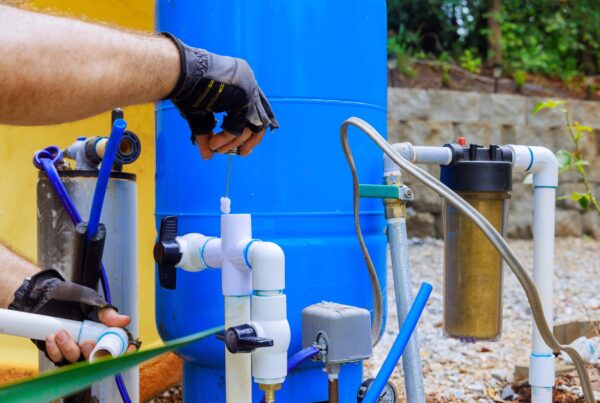
Alongside pumps, pressure tanks play a pivotal role by maintaining stable water pressure throughout your plumbing system and helping reduce wear on the pump itself.
When paired with high-grade PVC piping—resilient against corrosion and flexible enough to handle underground shifts—the entire assembly stands strong against common issues like leaks or contamination pathways.
It’s easy to overlook these “behind-the-scenes” parts because they’re out of sight, but their quality defines how often repairs crop up or whether you’ll enjoy fresh water without interruption.
Professionals at Stevens Drilling emphasize evaluating these options carefully during installation consultations, considering both initial cost and long-term reliability to tailor solutions specific to Texas Hill Country’s varied geology.
“Investing in premium equipment upfront means peace of mind later — ensuring your family's water supply stays safe and dependable year after year.”
In practice, when scheduling your water well installation, it’s useful to ask about not only drilling technology but also what brands and grades of pumps and piping are being installed. A company with hands-on experience serving residential and commercial clients alike will provide insights into which components hold up best over time in your particular area.
| Equipment Component | Purpose | Key Features | Recommended Brands |
|---|---|---|---|
| Rotary Drilling Rig | Borehole creation | Precision control, high drill rate | Various specialized manufacturers |
| Submersible Pump | Water extraction | Durable, energy-efficient | Grundfos, Franklin Electric |
| Pressure Tank | Water pressure stabilization | Corrosion resistant, varying sizes | Widely available reliable models |
| PVC Piping | Water conveyance | Flexible, corrosion-resistant | Schedule 40/80 PVC brands |
When selecting an installer, ensure they conduct thorough site assessments before recommending equipment setups — factoring in expected water demand, depth requirements, soil types, and regulatory standards such as those enforced by TCEQ here in Texas.
This approach helps prevent costly mistakes that might arise from one-size-fits-all installations.
With a clear picture of essential equipment and expert installation practices in mind, we move forward to examine how the physical act of creating the well comes together — revealing the detailed steps of turning plans into tangible results beneath the surface.
The Drilling Process
Drilling a water well is both a science and an art—it demands experience, precision, and careful attention to detail at every turn. Before any earth is disturbed, the site must be prepared thoughtfully. Clearing the area isn’t just about making room for machinery; it’s about ensuring safety and accessibility for the rig and crew. At Stevens Drilling, we emphasize thorough preparation because a stable setup reduces complications once the drill bit touches the ground.
As drilling begins, the focus shifts to creating a borehole that goes deep enough to reach a productive aquifer. This step isn’t simple excavation —the drill continuously cuts through layers of soil and rock, sending those cuttings back to the surface. Keeping this passage clear is crucial: it prevents blockages and maintains a smooth drilling operation. Experienced operators constantly monitor bits for wear or damage, swapping them out to maintain efficiency and prevent costly delays. A worn drill bit not only slows progress but can also cause uneven hole walls that complicate later steps.
Reaching the aquifer marks a pivotal moment in the process—the point where raw earth gives way to life-sustaining water. At this stage, installing casing is essential; it forms a sturdy lining for the borehole, protecting it from collapse and contamination. Think of it as creating a safe tunnel that will stand the test of time and natural pressures underground. Equally important is fitting a screen at the lower end of this casing. This screen acts like a fine sieve, letting water flow into the well while blocking sand, silt, and other particulate matter that could clog pumps or degrade water quality.
After securing the casing and screen, the next critical step is grouting—the process of filling the space between the borehole wall and casing with a specialized sealing material. This might seem like a minor detail, but it’s absolutely vital for protecting your well from surface pollutants seeping down along the outside of the casing.
Without proper grouting, contaminants can sneak in around gaps and reach your drinking water source. It’s a barrier that ensures longevity and safety, both hallmarks of quality well installation.
Throughout these stages, regular checks are indispensable—from confirming borehole depth to inspecting grout consistency—each task contributes to building a well that provides reliable, clean water for decades ahead.
Our team at Stevens Drilling brings decades of cumulative expertise to this delicate dance between machine power and geological realities. We know every Texan property tells its own story underground and tailor our approach accordingly.
“Drilling isn’t just breaking ground; it’s starting a relationship with your water source—a partnership that requires respect, knowledge, and care.”
Once drilling and structural components are in place with proper sealing complete, attention naturally turns toward testing and finishing steps that guarantee your well performs flawlessly before you ever open a tap.
Completing the Installation
Well development is a vital step that often doesn’t receive the attention it deserves. After all the hard work drilling, the well isn’t quite ready to supply clean water just yet.
The process involves removing fine particles—sand, silt, clay—that can clog the pump or contaminate your water. Techniques like air-lifting, where compressed air is injected to agitate and flush out debris, or surging, which cycles the water flow rapidly to dislodge trapped particles, are commonly used. This stage ensures your water source performs efficiently and reliably, extending the lifespan of your well system.
During well development, it’s essential to pay close attention to water clarity. A clear sample means fewer solids remain in your aquifer zone and your pump won’t have to work against unnecessary resistance. Just as a new car needs a test drive before you’re confident it’s road-ready, your well requires testing before full operation.
Moreover, taking water samples at this point allows for thorough laboratory analysis to check for bacteria, heavy metals, nitrates, or other contaminants common in Texas Hill Country groundwater. Such testing aligns with recommendations from local health departments and agencies like the Texas Commission on Environmental Quality (TCEQ), helping you ensure safe drinking water right from the start.
With a developed and tested well producing clear water, focus then shifts to installing your pump and electrical equipment.
Pump installation marks the point where your well transitions from a drilled hole into a functional water source. Skilled professionals carefully lower the pump into position at precise depths tailored to your water table and household or agricultural needs. This meticulous placement guarantees optimal flow rate and pressure—a delicate balance between performance and longevity.
Equally important is connecting the pump’s electrical system properly: wiring must adhere to code requirements, with robust grounding to prevent dangerous shocks or equipment failure. Installing surge protectors also safeguards your investment from power fluctuations common in rural Texas settings.
Experience matters here. Improper pump installation or weak electrical connections can lead to premature breakdowns or safety hazards—problems that Stevens Drilling frequently addresses when called in for repairs across San Antonio, Boerne, New Braunfels, and beyond.
Our team prioritizes thorough checks of each component during installation, verifying that control panels respond correctly and pressure tanks maintain steady operation. These steps ensure your water system runs reliably long after we leave.
Finally, completing the installation includes calibrating system controls and educating homeowners about routine maintenance schedules. Well owners should understand warning signs like decreased flow rates or odd noises indicating potential issues.
Preventive care combined with professional oversight keeps your well serviceable for decades—the kind of lasting quality Stevens Drilling has provided in Texas Hill Country since our founding in 1968.
“But whoever drinks the water I give them will never thirst…” —John 4:14
This quote reminds us not only of physical sustenance but of the value of reliable access to clean water—a commitment we honor every time we complete an installation in homes or farms throughout Wilson, Atascosa, Medina counties, and surrounding areas.
For expert advice or professional service on water well installation and pumping solutions tailored to your needs, contact Stevens Drilling at (830) 947-0245 or visit us at 9902 US Hwy 87 W in La Vernia.
Understanding what goes into completing a reliable well system sets the stage for appreciating the factors that affect cost and the importance of hiring qualified professionals. Next, we'll explore key considerations when budgeting for your well project and selecting the right experts to ensure quality results.
Costs and Hiring Professionals
Understanding the cost involved in drilling and installing a water well is more than just looking at a price tag. In Texas, the average investment tends to fall between $5,000 and $15,000. But this range isn’t arbitrary—it’s shaped by factors like how deep your well needs to be to access quality water and the type of terrain the drill must pass through. For example, rocky or clay-heavy soil can demand more time and equipment wear, pushing costs toward the higher end. The pump you choose also plays a big role; a high-efficiency pump might come with a steeper upfront price but offers long-term savings on electricity and maintenance.
What many homeowners don’t realize is that the depth requirement for wells in Texas varies widely depending on your specific location within regions like the Hill Country or South Texas plains. Before drilling begins, it’s wise to get an assessment from local experts who understand both the geology and any regulatory stipulations enforced by the Texas Commission on Environmental Quality (TCEQ). This step prevents unpleasant surprises down the road and aligns your project's scope with legal compliance.
With costs figured out, the next crucial move is deciding who will handle your installation—because experience matters exponentially here.
Hiring qualified professionals isn’t just about getting the work done—it’s about safeguarding your water source and ensuring everything meets stringent local codes. At Stevens Drilling, we’ve been deepening wells and serving Texas communities since 1968, transitioning from a family-run setup into a trusted regional service provider. Our technicians bring decades of hands-on knowledge ensuring every detail—from pump installation to system testing—guarantees safety, efficiency, and durability.
When choosing an installer, beyond licensing and certifications, look for companies willing to customize solutions tailored to your property size, intended water usage—be it residential, irrigation, or livestock—and follow-up support like well inspections or pump repairs. Checking genuine customer testimonials offers insight into responsiveness and reliability; many clients praise Stevens Drilling for quick turnarounds and clear communication.
It’s worth noting that well-installed systems by seasoned pros typically save homeowners thousands over time—not only reducing maintenance emergencies but also enhancing water quality through proper filtration options often bundled into professional service packages.
For residents within San Antonio, Boerne, New Braunfels, and surrounding Texas Hill Country areas, reaching out to Stevens Drilling at (830) 947-0245 or visiting stevensdrilling.com connects you with experts who stand behind their promise: reliable water solutions built with care and community values.
Investing wisely in both professional expertise and quality equipment ensures your water well delivers dependable service for years to come. Trust in experienced hands like Stevens Drilling safeguards not only your investment but your peace of mind.