

Finding a reliable water well drilling service near you can feel like searching for water in a dry patch of land—tricky and full of unknowns. If you need clean, steady water for your home, farm, or business in Texas Hill Country, knowing who to trust and what to expect is key. That’s why we’ve put together this guide to help you understand everything from picking the right local company to the different drilling methods and cost factors. Whether you’re just starting your well project or looking to repair an existing system, getting the basics right upfront saves you time and money—and keeps your water flowing smoothly for years to come.
Stevens Drilling offers expert water well drilling services across the Texas Hill Country, including areas like San Antonio, Boerne, and New Braunfels. With decades of experience, state-of-the-art equipment, and an emphasis on quality and regulatory compliance, we ensure reliable access to clean groundwater for residential, commercial, or agricultural needs—contact us at (830) 947-0245 to discuss your project.
Reliable Local Drilling Companies
First and foremost, reliability begins with proper licensing and certifications. These are not mere formalities; they represent a company’s commitment to following the local and state laws that govern water well drilling. For instance, Stevens Drilling operates under strict compliance with the Texas Commission on Environmental Quality (TCEQ), ensuring every project meets environmental and safety regulations.
Without these credentials, service providers might cut corners, risking well integrity or legal issues down the road.
Beyond legal standing, the foundation of trust lies in experience and consistent performance.
Firms like Stevens Drilling, which bring decades of hands-on experience—dating back to their founding in 1968—offer more than just drilling services. They bring seasoned knowledge of Texas Hill Country’s diverse geological challenges, from sandy aquifers to harder rock layers. This expertise helps them anticipate and solve problems before they arise, saving clients time and money.
Industry research confirms this: companies with over 10 years in business retain around 30% more customers due to their proven reliability and refined processes built on years of practice.
But experience doesn’t tell the full story without real-world feedback from those who’ve seen the results firsthand.
Testimonials and Reviews
Customer testimonials act as a window into a company’s work ethic, communication skills, and problem-solving abilities. Positive reviews often reveal how quickly service teams respond to emergencies like pump failures or what it’s like working with knowledgeable technicians who explain each step clearly instead of leaving homeowners in the dark.
When looking through reviews posted online or directly requesting references, notice patterns—consistent praise for professionalism or promptness signals a trustworthy company worth considering. Stevens Drilling stands out here too, with many customers applauding both their timely service and personalized approach to each job’s unique demands.
Understanding these elements helps you find a local drilling company capable of delivering quality workmanship with confidence. Next, consider how different drilling methods adapt to varied conditions underground, shaping the efficiency and outcome of your water well project.
Overview of Drilling Techniques
Different drilling techniques excel under particular ground conditions, and knowing these nuances helps ensure your well is drilled efficiently and stands the test of time. The three primary methods you’ll encounter are rotary drilling, percussion drilling, and cable tool drilling.
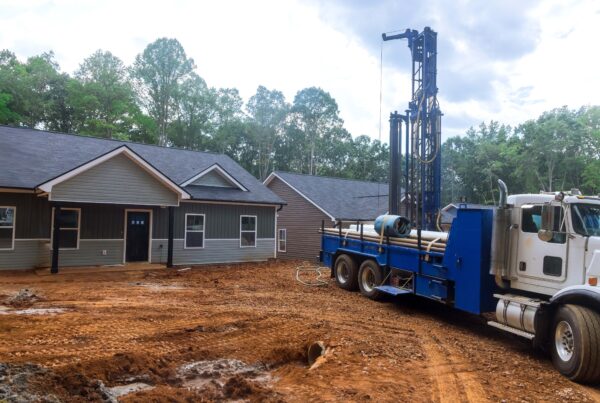
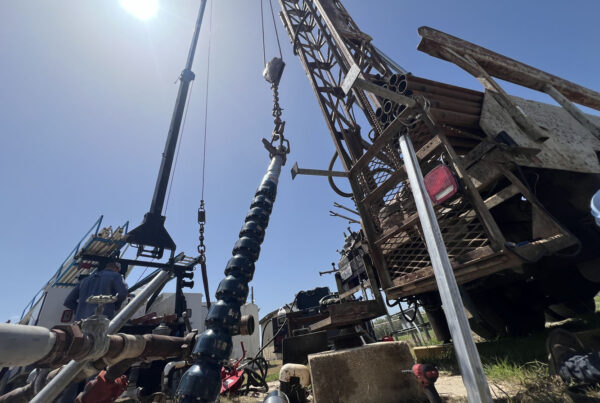
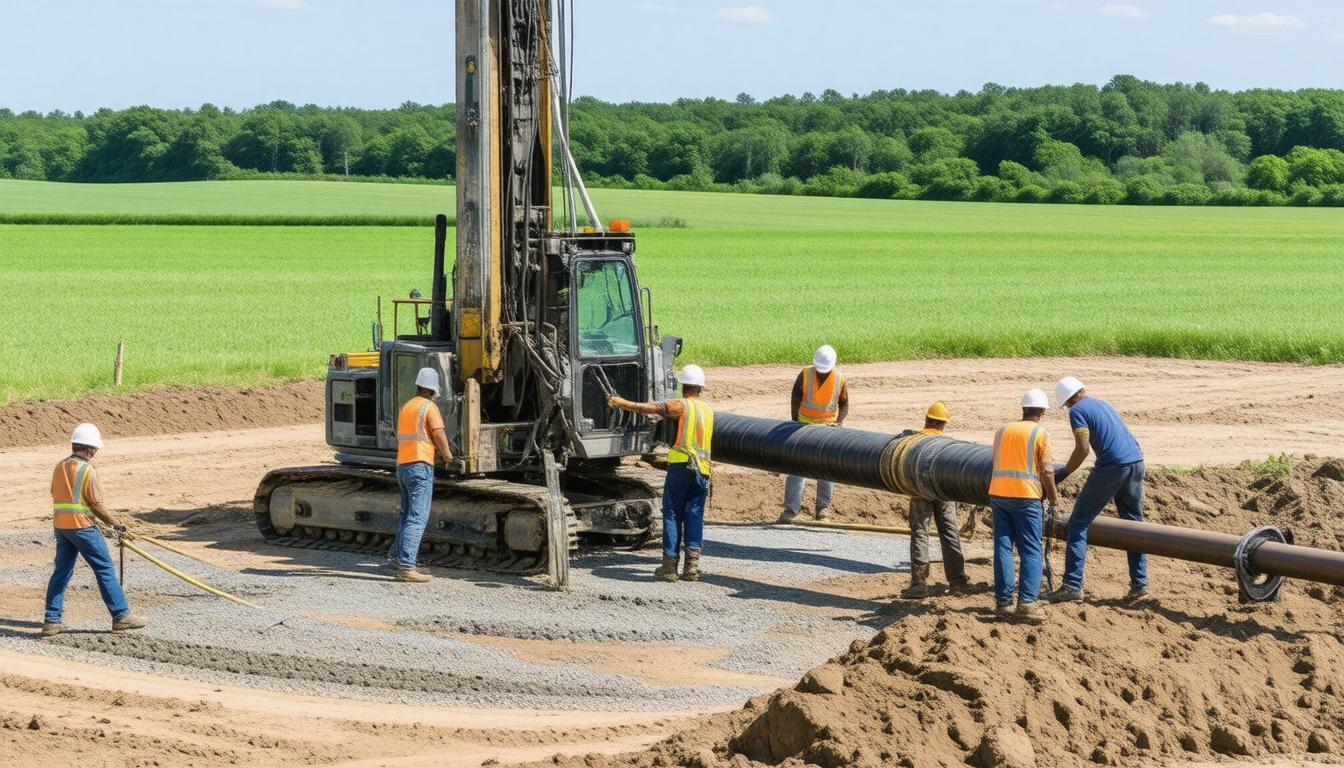
Rotary drilling harnesses a rotating drill bit that cuts through softer formations like sand, gravel, or soft rock. It works by continuously rotating while fluid—usually drilling mud—is circulated down the drill pipe to cool the bit and remove cuttings from the hole. This process makes rotary drilling fast and adaptable, especially when there are varying layers underground. Stevens Drilling often employs this method in Texas Hill Country where soil layers shift between forgiving sandy soils and tougher fractured limestone. The speed with which rotary rigs penetrate these formations means less disruption to your property and quicker access to fresh water.
Percussion drilling, on the other hand, relies on repeatedly lifting and dropping a heavy drill bit that crushes through hard rock. Imagine a hammer pounding relentlessly into stone. It’s slower and more labor-intensive but necessary to break through stubborn formations that rotary bits can’t efficiently handle. This technique shines in geological settings dominated by dense, compacted rock where precision and force override speed. Although more energy-consuming, percussion drills can open pathways where others fail, making them invaluable for certain deep well projects.
Then there’s Cable tool drilling, a venerable classic that’s been around since the 19th century but remains surprisingly effective. It combines dropping a heavy chisel-like bit attached to a cable into the borehole to chip away rock piece by piece. After each strike, debris is cleared using bailers before repeating the process. Cable tool rigs drill at a slower rate but offer excellent control over borehole diameter and are reliable for reaching great depths in difficult substrata. In some cases, especially for deep artesian wells or when specific local conditions warrant it, cable tool remains preferred due to its simplicity and durability.
Each of these methods brings unique strengths depending on your well’s target depth and subterranean makeup. For instance, if your site features softer soils and moderate depths—as common in many parts of Wilson or Atascosa counties—rotary drilling will typically be your quickest route to clean water. However, if you’re venturing into Medina or Bexar counties with more fractured limestone or dense caliche layers, percussion or cable tool methods might prove more effective despite longer timelines.
What’s essential is that experienced drillers assess your land before starting work, matching drilling type with geological realities. This expertise comes from years of reading soil layers like pages in a book—a skill Stevens Drilling has honed since 1968 serving Texas Hill Country. They combine modern technology with decades of local know-how to optimize drilling approach so your well not only taps robust groundwater but also lasts for generations.
“Choosing the right technique isn’t just about speed—it’s about securing purity, yield, and longevity in every drop.”
Beyond just ground hardness or soil type, other factors influence method selection: nearby wells’ success stories help predict what lies beneath your property; environmental regulations may limit equipment noise levels or surface disturbance; water use needs (residential versus irrigation) dictate well size affecting drill complexity.
This blend of technical skill, local knowledge, and regulatory awareness ensures that when you call Stevens Drilling at (830) 947-0245, you receive a solution meticulously tailored for your unique situation—whether you’re near Boerne or Karnes City.
Understanding how these core drilling techniques function lays a vital foundation before considering casing installation and water pump setup—both integral next steps in providing reliable water access.
Estimating Drilling Costs
When it comes to estimating the cost of water well drilling, there’s a lot more beneath the surface than just the price per foot. The depth of the well plays a huge role. It isn’t simply about how far down you need to drill but also how much time, effort, and specialized equipment it takes to reach that depth safely and efficiently.
Deeper wells demand more powerful rigs, longer operational hours, and more wear-and-tear on machinery—all adding up on your invoice.
But depth isn’t the only factor guiding cost. The geological makeup of the site where drilling occurs dramatically shapes both pricing and process.
Soft, sandy soils offer less resistance and are comparatively easier to drill through. In contrast, bedrock or dense clay—both significantly tougher—slow drilling and require heavier, specially designed bits capable of handling such conditions.
This complexity often increases not just labor costs but also equipment expenses as components must be replaced or maintained more frequently.
Permits and legal fees also weave their way into the final figure. Local regulations vary widely: some counties demand extensive paperwork, environmental assessments, or compliance inspections before drilling can even begin.
While these requirements protect water quality and neighboring properties, they add extra steps—and sometimes extra dollars—to the project.
With these nuances in mind, let’s put some numbers on the table.
Typical Cost Range
Generally speaking, drilling prices in Texas fall roughly between $15 and $30 per linear foot drilled. This range accounts for most residential projects where well depths vary between 100 and 300 feet.
If you imagine a 200-foot well—the kind many Hill Country homes require—it would likely set you back somewhere between $3,000 and $6,000 depending on those factors we just discussed.
Insights from the Texas Ground Water Association (TGWA) confirm that the average cost for a standard residential water well tends to hover around $5,000—a good benchmark though individual projects always have their quirks.
Keep in mind these figures don’t always include additional services like pump installation, water testing, or filtration system setup—all vital offerings from Stevens Drilling.
Those extras ensure the entire water system functions reliably and delivers clean water consistently.
When planning your budget, it’s wise to engage professionals who provide transparent pricing with a detailed breakdown.
At Stevens Drilling, we take pride in discussing each cost factor openly so our clients understand exactly where their investment goes—right from site surveys through final well development.
Understanding these cost drivers sharpens your grasp on what to expect financially and sets the stage for evaluating the underlying earth conditions that influence every drilling project.
Evaluating Ground Conditions
Assessing ground conditions before drilling a well isn’t simply a precaution; it’s an absolute necessity. When Stevens Drilling steps onto a site in Texas Hill Country, the very first technical move is to analyze what lies beneath — soil makeup, rock formations, and the depth of the water table. This groundwork isn’t just about science for science’s sake; it directly influences how drilling will be done, what equipment will be needed, and ultimately how much the entire project will cost.
Take soil and rock analysis, for example. Specialists collect samples and perform geophysical testing to determine how hard or soft the ground is. Clay-heavy soils or tough bedrock demand different drilling techniques than sandy or loose soils. Sandy soil might allow easier drilling but also requires careful casing installation to avoid collapse and contamination. Conversely, hard rock layers can slow down progress and wear down drill bits faster, increasing expense and time on site. The water table level is another critical factor measured during this process because it indicates the depth at which groundwater can be accessed. A shallow water table means less drilling time and less expense in pump installation; deeper tables require more resources but often yield cleaner water.
Alongside geological factors, environmental considerations shape the approach Stevens Drilling takes with every well. Being rooted in Texas Hill Country means respecting its unique ecosystems and protecting local water supplies from contamination. The company’s commitment to eco-friendly practices extends beyond words — using environmentally sensitive drilling fluids minimizes the risk of chemical infiltration into underground aquifers. This conscientious approach supports sustainable water access while maintaining harmony with nature.
For instance, when working near farms or natural reserves in Bexar or Medina counties, Stevens Drilling adapts methods to reduce disturbance, such as controlling runoff, managing waste fluids responsibly, and avoiding excessive soil disruption. This not only keeps neighbors happy but also aligns with regulatory requirements from agencies like TCEQ ensuring that drilled wells don’t negatively impact drinking water sources or fragile habitats.
Understanding these ground conditions creates a comprehensive picture for well planning that balances safety, cost efficiency, and environmental stewardship — three pillars Stevens Drilling has embraced since 1968. Whether you’re installing a new residential well or repairing an aging system on a commercial property in Guadalupe or Karnes County, this upfront evaluation saves headaches down the road by preventing delays caused by unexpected geology or regulatory concerns.
“Water well drilling is more than digging a hole—it’s about knowing your land intimately so every drop drawn serves you and your community safely,” says Jimmy Stevens, co-owner of Stevens Drilling.
When searching for “water well drilling near me,” trusting a local expert who thoroughly evaluates ground conditions is key. The right expertise ensures your well taps reliable water sources efficiently without compromising quality or compliance — an investment worthy of Texas Hill Country’s unique terrain.
Grasping these foundational factors sets the stage for discussing how meticulous procedures and strict standards uphold safety and ensure high-quality results throughout every drilling project.
Ensuring Safety and Quality
Safety and quality are foundational pillars in water well drilling that simply cannot be compromised. Every drilling project, whether for residential or commercial needs, demands adherence to strict safety protocols designed to protect not just the workers on site but also the surrounding environment and future users of the well.
Drilling rigs are heavy machinery that operate under high pressure and can pose hazards if mishandled or if safeguards are not properly implemented. Companies that rigorously enforce these safety measures help minimize accidents, injuries, and environmental contamination risks.
When choosing a drilling service, seek out those that emphasize ongoing safety training for their personnel. This training ensures staff members remain current with evolving safety regulations and best practices. Look also for companies equipped with advanced personal protective equipment (PPE) and adherence to OSHA standards, which reflect a serious commitment to workplace safety.
At Stevens Drilling, we invest heavily in comprehensive safety education—our crews undergo regular certification sessions and practical drills that keep safety at the forefront of every operation.
While protecting people and environment is paramount, maintaining high quality standards throughout the drilling process is equally crucial.
Quality assurance in water well drilling extends beyond the mechanical act of boring a hole into the earth; it encompasses thorough post-drilling evaluations to verify that the well performs as intended. Well integrity checks assess casing installation, grouting effectiveness, and ensure no pathways for surface water or contaminants to enter the aquifer. A properly constructed well delivers consistent, clean water without compromising longevity.
The gold standard for quality includes regular water testing for microbiological agents, heavy metals, and chemical pollutants after installation—and over time—to guarantee safe drinking water. Stevens Drilling integrates this testing into our service packages because we understand how critical clean water supply is to you and your family’s health.
Our laboratory partners utilize advanced analytical methods compliant with EPA guidelines to deliver reliable results quickly.
Moreover, quality control encompasses detailed record-keeping throughout each phase—from initial site survey through pump installation—creating traceability of materials used and compliance with local regulations. This documentation proves invaluable for maintenance planning and regulatory inspections down the line.
Prioritizing both safety protocols and rigorous quality assurance steps during water well projects ensures your investment yields maximum benefit: a dependable source of clean water delivered securely with minimal environmental impact.
When contacting professionals like Stevens Drilling in Texas Hill Country, always inquire about their safety programs and post-installation support services because these reflect their dedication to responsible drilling practices aligned with industry-leading standards.
With a solid understanding of what makes safe and high-quality well drilling, it becomes easier to appreciate how a project moves from planning into action. We now shift focus to explore the precise stages involved in bringing your well from concept to completion.
Steps in Well Installation Process
The well installation journey begins not with heavy machinery, but at the drawing board during an initial consultation paired with a thorough site survey. This step is about more than just picking a spot; it involves analyzing soil composition, rock layers, and groundwater depth to identify the most promising location. A skilled team from Stevens Drilling knows that this groundwork — quite literally — lays the foundation for everything that follows. Think of it as scouting for buried treasure: a little knowledge upfront saves significant time, expense, and frustration down the line.
After selecting the optimum site, the next priority is stepping carefully through legal requirements.
Securing permits may sound bureaucratic, but it’s an essential safeguard that ensures your well complies with environmental laws and local regulations. Permits also guarantee that drilling activities won’t inadvertently harm groundwater supplies or disrupt neighboring properties. Ignoring this step can lead to costly fines or forced shutdowns. At Stevens Drilling, we handle permit acquisition as part of our comprehensive service, sparing you headaches and delays so you can focus on what matters most — having reliable water access.
Once paperwork is settled, heavy equipment takes over with precision and expertise.
Drilling the well itself depends on geologic conditions discovered during the site assessment. For softer soils or sedimentary rock, rotary drilling offers efficient penetration by grinding away material. Harder formations might require percussion methods that use repeated hammering to break through rock layers. Sometimes cable-tool techniques are preferred for their simplicity in certain settings. Depths can vary widely, from shallow wells just beneath the surface to deep wells hundreds of feet underground tapping into aquifers less prone to contamination. Throughout drilling, specialists monitor progress to avoid cave-ins and ensure structural stability.
After forging this path below ground, protecting it from collapse or pollution becomes paramount.
Installing casing pipes follows directly after drilling. These sturdy liners hold open the borehole walls and act as a shield preventing surface contaminants from seeping into your water supply. The choice of casing material and diameter depends on well depth and geological factors. These pipes fit snugly within the hole, creating a barrier between potentially harmful soil layers and fresh groundwater. Next come screens at the intake zone; think of them as fine mesh filters that stop sand and sediment from entering your well while still allowing water flow. Together, casing and screens preserve both well integrity and water purity — critical for safe daily use.
But even with proper structure in place, wells need a final polish to deliver clean water smoothly.
Well development prepares your newly drilled system for optimal performance by flushing out fine silt or debris stirred up during construction. This step often involves pumping or injecting water to agitate remaining sediments until clarity returns. Proper development eliminates clogging risks and balances pressure levels inside the well shaft, enhancing water yield and prolonging equipment life.
Finally, all these meticulous preparations culminate in making your water accessible with a robust pumping system.
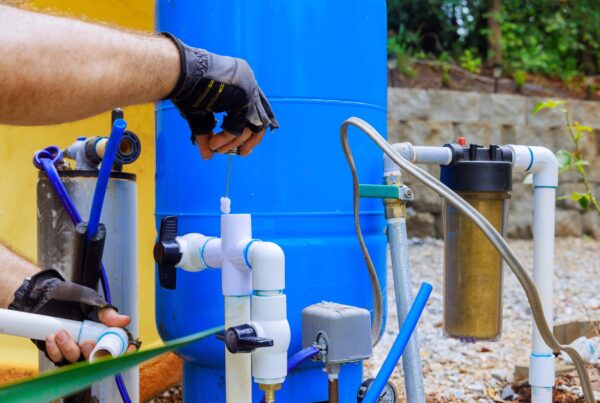
Pump installation includes fitting appropriate pumps sized for your depth and household needs alongside wiring electrical controls safely outside or underground as needed. Plumbing connections link the pump to your home’s supply lines ensuring steady flow without leaks or pressure drops. Experts carefully test operation parameters like flow rate and voltage to fine-tune functionality right from day one. When done correctly — as our experienced technicians at Stevens Drilling do — you get dependable access to fresh water without interruptions or surprises.
“Every stage in well installation matters because well-being starts underground.”
– Korri Stevens
Summary Table: Key Installation Phases
| Step | Purpose | Key Considerations |
|---|---|---|
| Initial Consultation | Site selection & geological analysis | Soil type, aquifer depth |
| Permits | Compliance with local/environmental laws | Regional regulations & timelines |
| Drilling | Creating access to groundwater | Method suited to ground hardness |
| Casing & Screen | Protecting borehole integrity & filtering water | Material strength & filtering efficiency |
| Well Development | Removing sediment & improving flow | Sediment agitation techniques |
| Pump Installation | Delivering water efficiently | Pump sizing, power supply & plumbing |
Taken together, these stages create a reliable pathway to securing clean water customized for Texas Hill Country homes or businesses—expertise Stevens Drilling has refined since 1968. Whether establishing irrigation near New Braunfels or setting up residential wells in Boerne, understanding these steps ensures smooth operation for decades.
Choosing a trusted local partner like Stevens Drilling guarantees professional handling through every phase, giving you peace of mind with your well investment today and tomorrow.