

Finding a trustworthy company to drill a water well near you might seem like a big task, especially when you want clean, reliable water without surprises. Many people don’t realize how much local experience and clear communication can make this process easier and safer. That’s why we put together this guide—to help you understand what to look for in contractors, what costs to expect, and how the whole drilling process works right here in the Texas Hill Country. By sharing insights from experts who’ve been working in the area for over 50 years, like Stevens Drilling, we hope to make your journey to fresh water straightforward and worry-free.
Stevens Drilling provides expert water well drilling services throughout the Texas Hill Country, including San Antonio, Boerne, New Braunfels, and surrounding areas. With over 50 years of experience, our team offers fast, efficient, and professional drilling solutions tailored to residential, commercial, agricultural, and municipal needs.
Our Recommendations for Reliable Contractors
When hiring a water well drilling contractor, local experience and a long-standing presence serve as excellent indicators of reliability. For example, Stevens Drilling has been serving the Texas Hill Country since 1968, bringing over half a century of hands-on expertise tailored to the unique geology and water needs of this region. This depth of knowledge ensures that their projects aren’t just cookie-cutter solutions but carefully designed to last and perform efficiently under local conditions.
Reliability also rests on how contractors communicate throughout the project lifecycle. A dependable company will walk you through every step—from assessing your property and advising on well placement to explaining the drilling process and post-installation maintenance. Companies like Stevens Drilling and Bluebonnet Well Service stand out because they make customer education and transparency priorities, reducing uncertainty and empowering homeowners.
Another crucial aspect when selecting a contractor is understanding their service offerings and compliance with local regulations. Stevens Drilling’s dedication to meeting Texas Commission on Environmental Quality (TCEQ) standards adds an extra layer of trustworthiness, showing their commitment to safe, legal, and environmentally responsible drilling operations. This approach minimizes risks such as groundwater contamination or permit setbacks, common headaches that unlicensed or inexperienced contractors might overlook.
When evaluating contractors, pay attention to how swiftly they respond to inquiries and whether they provide clear estimates without hidden fees. Promptness not only reflects professionalism but often indicates how they’ll handle urgent repairs or service issues down the line.
It’s also valuable to gauge their capacity for ongoing support—many customers need well pump repairs, filtration upgrades, or seasonal maintenance after installation. A contractor like Stevens Drilling offers comprehensive service packages spanning from installation to wellness water systems, ensuring you have a single trusted partner throughout the lifespan of your well.
Equipped with these key criteria for choosing a reliable contractor, you’re better prepared to evaluate potential partners who can deliver both quality work and peace of mind. Next, consider the essential factors that differentiate one drilling professional from another to ensure your investment meets expectations.
How to Choose a Drilling Contractor
Selecting the right water well drilling contractor means balancing expertise, trustworthiness, and cost. Experience isn’t just a number—it represents hands-on knowledge in navigating local geology, municipal regulations, and environmental factors specific to your area. Take Stevens Drilling, for example. With over 50 years serving Texas Hill Country, their deep familiarity with regional water tables and soil types allows them to design wells that last and perform efficiently.
Beyond longevity, licensing and certifications speak volumes about professionalism. Contractors certified by organizations like the National Ground Water Association (NGWA) have demonstrated commitment to industry standards and best practices. This kind of credentialing helps protect you from shoddy workmanship or shortcuts that could cause long-term issues such as contamination or early equipment failure.
Trust builds not only on credentials but also on how contractors communicate with you through the entire process.
Exceptional contractors prioritize transparent communication from the first contact. They will offer consultations that thoroughly explain each step—from site evaluation to drilling techniques—ensuring you understand timelines, potential challenges, and regulatory requirements. For instance, Stevens Drilling provides free initial site visits, giving homeowners and businesses alike a clear picture before any equipment arrives or contracts are signed. This openness is more than courtesy; it keeps surprises off the table.
“Stevens Drilling offered a detailed consultation, making the whole process transparent and stress-free.”
This kind of firsthand feedback shines light on the value of responsive customer service that listens and adapts.
With trust and clarity established, cost considerations come sharply into focus next.
Pricing may be one of the most decisive factors—but it’s important to understand what influences those numbers. The total cost depends not only on drilling depth and site conditions but also on well materials, pump selection, and any additional services like water filtration setups or wellness packages. Beware of quotes that seem too low relative to market averages; they often miss critical components or skimp on quality.
A solid strategy is to request detailed estimates breaking down labor, materials, permits, and potential contingencies. Ask if the contractor includes follow-up services such as pump maintenance or troubleshooting—these can save you headaches later. Companies like Stevens Drilling provide such comprehensive pricing transparency combined with local expertise that ensures fair deals aligned with your project’s scope.
Finally, look for contractors willing to incorporate local regulations into their planning seamlessly. Compliance with the Texas Commission on Environmental Quality (TCEQ) rules matters for obtaining permits and preserving groundwater safety. An experienced team will guide you through this bureaucracy smoothly rather than leaving you entangled in red tape.
When choosing your drilling contractor, keep these criteria in mind:
- Extensive hands-on experience relevant to your location
- Industry certifications (e.g., NGWA)
- Transparent communication including free consultations
- Detailed and clear cost estimates
- Inclusion of after-service support
- Compliance with local environmental regulations
Making an informed choice at this stage helps ensure lasting reliability for your water supply system.
Understanding these key factors sets the stage for exploring how costs break down in detail—an essential next step when budgeting for your project.
Cost of Water Well Drilling
The price tag for drilling a water well isn’t just a single number you can memorize; it’s a mosaic built from many factors that vary widely depending on where and how deep you need to drill. In Texas Hill Country, for example, the type of rock formations beneath your property will influence both labor and equipment needs, which directly impact cost. Some wells might be relatively straightforward, while others require penetrating through layers of limestone or granite, making the process more complex—and expensive.
When breaking down the costs, you begin with site preparation. An initial site survey is crucial; professionals assess soil composition, water table depth, and environmental considerations to map out how challenging the project might be. This step usually costs between $500 and $1,000 but saves money down the road by minimizing surprises.
Next comes the drilling itself, charged typically by the foot drilled. Prices often range between $15 and $30 per foot, depending on machinery needed and geology. For a well that reaches 300 feet deep—which isn’t uncommon in rural Texas—that alone could cost up to $9,000. This variable rate reflects that sometimes a few feet can take hours if difficult rock is encountered.
Beyond drilling depth, casing is another significant cost to factor in.
Casing involves placing strong pipes inside the drilled hole to prevent collapse and protect the water supply from contamination. This protective lining generally costs $30 to $50 per foot installed. While it might be tempting to cut corners here, using durable casing corresponds directly to both water quality and longevity of your well—choices that pay off in peace of mind and fewer repairs.
Adding a pump system is essential to bring water to the surface efficiently. Depending on capacity and type—for instance, submersible or jet pumps—expect this to range from about $1,500 up to $2,500 or more. Installation expenses are sometimes folded into this price but confirm with your contractor.
All told, the average total cost lands somewhere between $8,000 and $15,000 but can climb higher with additional expenses such as permit fees or required water quality testing mandated by local authorities like the Texas Commission on Environmental Quality (TCEQ). These steps ensure that not only is your well functional but also safe according to Texas environmental standards.
“Getting multiple detailed quotes helps homeowners avoid unpleasant surprises. Ask contractors what exactly their bids include—from drilling logs to warranty coverage.”
When planning your budget for a new well or repair project with Stevens Drilling—a trusted local company serving San Antonio and surrounding Hill Country areas—it helps to prepare for these layered costs and request transparent estimates upfront. Their decades of experience mean they understand Texas terrain and regulations intimately, helping guide customers towards solutions that deliver great value without sacrificing quality.
Now that you have clarity on costs involved, gaining insight into what actually happens during drilling will help you better visualize the journey from dry land to a flowing water source.
Overview of the Drilling Process
The drilling process begins long before the heavy machinery arrives. Site preparation plays a pivotal role in ensuring an efficient and safe operation. This means clearing vegetation, marking boundaries, and conducting a geological survey to pinpoint the most promising location for your well.
These surveys help identify soil types, rock formations, and groundwater depth, which can impact both the difficulty and cost of drilling. Accurate site preparation minimizes surprises during drilling and lays the groundwork for a smooth project.
Once the site is ready, the focus turns to actually reaching the water deep underground.
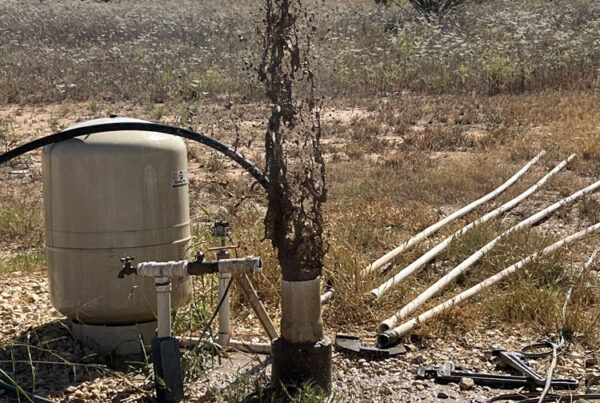
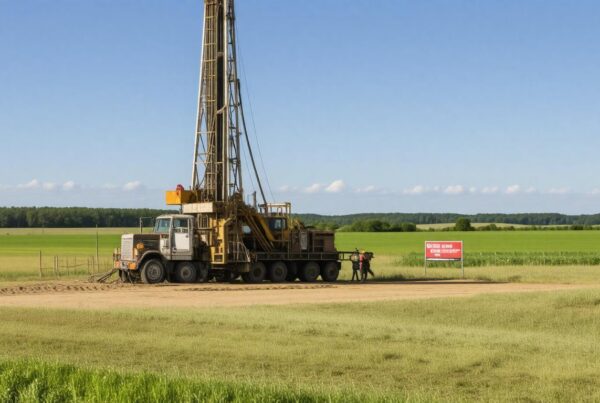
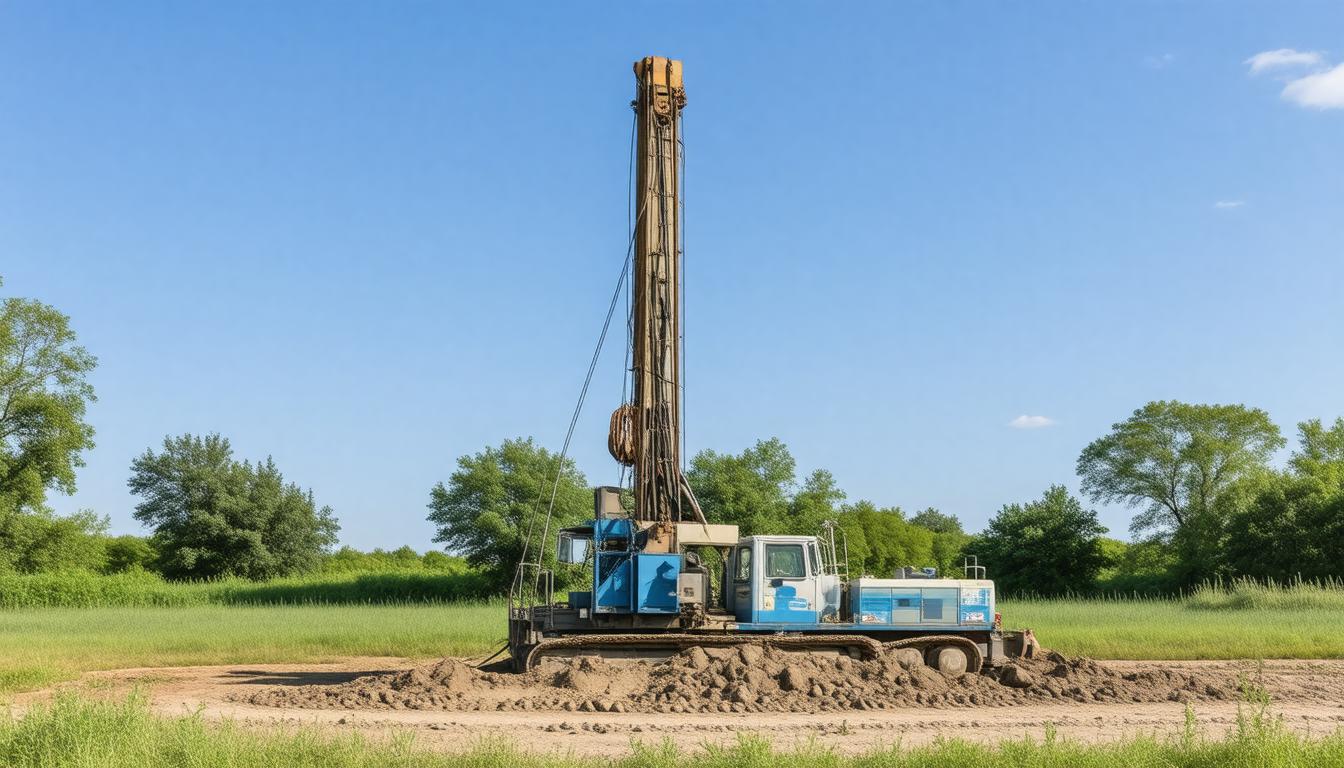
Drilling the borehole is where heavy-duty rigs come into play. These machines rotate drill bits at powerful speeds to cut through layers of soil and rock, often reaching depths between 100 to 500 feet or more depending on local water tables.
The process requires careful monitoring because different geological layers respond differently—some may be soft sediment, others hard rock. Drillers continuously remove cuttings and debris using drilling fluid or compressed air to keep the hole clear. Throughout this phase, attention to detail ensures the borehole remains stable and aligned properly.
With the hole drilled, it becomes essential to protect its structure and maintain water quality.
Installing casing involves placing a durable pipe inside the borehole walls. This casing acts as a protective sleeve that prevents collapse and isolates groundwater from surface contaminants like dirt and bacteria.
Choosing the correct casing material—typically PVC or steel—and depth depends on the geologic conditions discovered during site surveys. Proper installation ensures that your water well stays secure and clean for years to come.
But a well isn’t just an empty hole; it needs refinement before it can deliver water efficiently.
Following casing installation, well development is conducted to enhance water flow into the well. Techniques such as surging or pumping clear fine sediments that might clog openings in the casing or screen. This step improves yield and helps establish a sustainable flow rate tailored to your water needs.
Finally, we reach one of the most visible parts: making sure you can access that water easily.
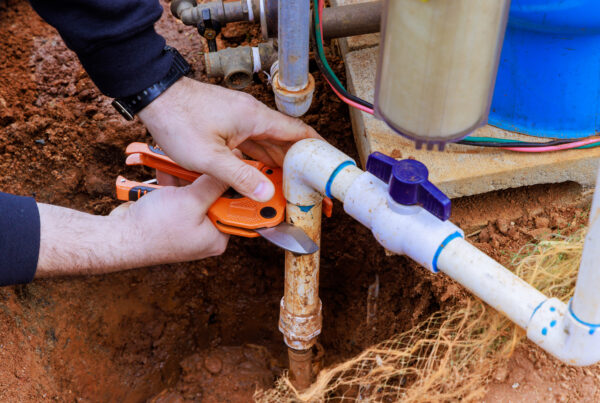
The last major step is installing the pump system that will draw water from your well up into your home or business. Depending on your needs, this might include submersible pumps placed deep within the well or jet pumps mounted near the surface.
Professional installation calibrates these systems for optimal performance and longevity, ensuring reliable access to clean water every day.
“A well-built and properly maintained well provides not just water but peace of mind.” — Stevens Drilling
Choosing an experienced local company like Stevens Drilling means you benefit from decades of regional knowledge about Texas Hill Country’s unique geology, ensuring each step—from preparation through pump installation—is handled with care and expertise.
Understanding how a well is drilled and prepared sets the stage for appreciating what owning a well can truly offer—reliable water access combined with independence from municipal sources.
Benefits of Having Your Own Well
One of the most compelling reasons to install a private water well is the significant long-term cost savings it offers. Unlike municipal water users who receive monthly bills that often increase with usage and inflation, owning a private well lets you tap directly into an available natural resource without ongoing fees.
In fact, studies show that homeowners with wells save roughly $500 each year on water expenses, which adds up to a substantial $5,000 over a decade. This money can be redirected toward home improvements, irrigation systems, or saved for other family needs.
But beyond the financial relief that wells provide, there are equally important advantages related to health and water quality that often go unnoticed.
Water from a private well typically bypasses many of the chemical treatments common in municipal supplies—such as chlorine and fluoride—which some families prefer to avoid.
This means when you drink from your well, you’re often getting water in its more natural state. Without those additives, many people experience better-tasting water and fewer skin irritations or sensitivities linked to chemicals used in city treatment plants.
Stevens Drilling regularly hears from clients excited by how much fresher their water tastes after switching to well systems; one common feedback is that cooking and brewing coffee taste noticeably improved.
The independence that comes with owning your water source also brings peace of mind, especially during times when city supplies might face interruptions.
When severe weather strikes or infrastructure issues disrupt municipal water services, private well owners usually remain unaffected because their supply draws straight from underground aquifers.
This reliability is particularly important for those living in rural and developing areas across Texas Hill Country where municipal lines may not reach or could be vulnerable to outages. With your own well on premises, you maintain uninterrupted access for drinking, cooking, irrigation, and livestock if applicable—freeing you from dependence on external utilities.
Beyond cost savings, better taste, and independence lies an environmental angle worth considering.
Private wells often reduce demand on public water systems, benefiting community resources by lessening strain during droughts or high usage periods.
They also encourage conscientious water use since owners tend to monitor their wells closely for flow rates and quality. At Stevens Drilling, part of our wellness package includes assessing your water quality regularly — ensuring your family enjoys fresh water while helping preserve local groundwater resources sustainably.
Key benefits of owning a private well include:
| Benefit | Description |
|---|---|
| Long-term savings | Roughly $500 annual savings compared to municipal water costs |
| Avoidance of chemical additives | No chlorine or fluoride, leading to better-tasting water |
| Reliable access | Independence from municipal outages and infrastructure failures |
| Environmental impact | Reduced demand on public water systems during droughts |
| Control over water quality | Ability to monitor and maintain your own safe water supply |
Regular maintenance is essential to maximize these benefits. Inspections and pump servicing by experienced providers like Stevens Drilling protect your investment for decades.
By choosing well water through a trusted local expert with over 50 years serving Texas Hill Country homes—that’s Stevens Drilling—you combine tradition with expertise to enjoy clean, affordable water at home.
Early outreach also ensures correct permitting compliance including Texas Commission on Environmental Quality (TCEQ) guidelines as well as tailored solutions whether for residential use, commercial applications, or agricultural irrigation.
Understanding these practical benefits is crucial as we consider the rules and safeguards surrounding well ownership. Next, we explore how legal frameworks and environmental responsibilities shape the way you manage this vital resource.
Legal and Environmental Considerations
Before you pick up the phone to schedule water well drilling, there’s an important step that often gets overlooked: making sure you’re fully compliant with local laws and mindful of environmental impacts. In Texas, this means checking whether your county or city requires a drilling permit. The Texas Commission on Environmental Quality (TCEQ) oversees much of this regulation, ensuring that wells are drilled responsibly to protect both public health and natural resources.
This isn’t just red tape—permits confirm that your project meets safety standards designed to keep your drinking water clean and avoid accidental damage to underground water sources.
Compliance with regulations is only one side of the coin; environmental stewardship must also be at the forefront when planning any water well installation.
Improper drilling can have serious consequences, such as lowering the water table for neighboring wells or introducing contaminants into precious aquifers. These underground reservoirs take years to replenish, so a careless mistake can affect both your property and the wider community’s water supply.
That’s why it’s critical to entrust your well drilling project to professionals who prioritize environmentally sound methods. At Stevens Drilling, for example, we implement advanced sealing and casing techniques that prevent cross-contamination between different groundwater layers, safeguarding water quality long-term.
When evaluating local contractors, be sure they understand these environmental principles and adhere strictly to TCEQ guidelines. It’s not just about drilling quickly—it’s about responsible water management that sustains Texas Hill Country’s delicate ecosystems.
Armed with knowledge about permits and ecological precautions, you are now equipped to approach your water well project confidently and sustainably.
For those who want further guidance or customized service tailored for residential, commercial, or agricultural needs in Texas, Stevens Drilling offers expert consultation and hands-on support every step of the way. Visit Stevens Drilling to learn more or to schedule an appointment with a seasoned professional who will help bring life-giving water safely from beneath your land.
Understanding legal requirements and environmental responsibilities ensures your water well project supports a sustainable future. With expert partners who prioritize both compliance and care, you can secure reliable water access while protecting Texas’s natural resources.