
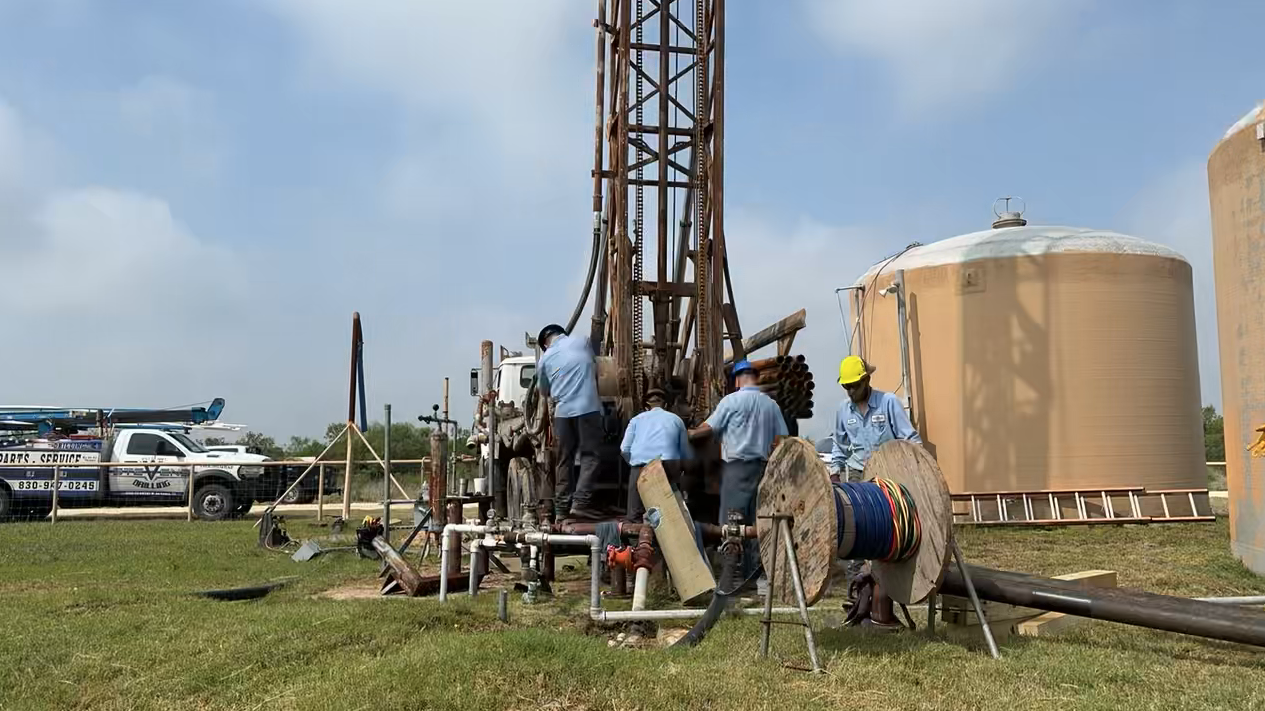

Looking for water well drilling services nearby can feel like searching for a needle in a haystack, especially if you don’t know where to start. Whether you need water for your home, farm, or business, finding a trustworthy company that understands your local geology and regulations is key. That’s why this guide walks you through the best ways to locate quality drillers near you, explains what affects costs, and shares tips to help you get the most reliable well without surprises. Let’s dive in and make this important step easier together.
If you’re looking for professional water well drilling services nearby, Stevens Drilling in La Vernia, Texas, specializes in water well drilling, installation, and maintenance across the Texas Hill Country and surrounding areas. With decades of experience since 1968, we provide expert site surveys, permit assistance, and complete well solutions tailored to your residential, commercial, or agricultural needs. Contact us at (830) 947-0245 to get started.
Finding Water Well Drilling Services Near Me
When you’re ready to drill a well, starting with online directories is often the easiest way to locate companies in your area. These platforms—like Angie’s List, HomeAdvisor, and Yelp—gather reviews and ratings from real customers, providing an honest glimpse into a company’s reputation. They list contact details and sometimes even photos of past projects, so you know what to expect before making the call. This is especially helpful when you’re comparing multiple options or unsure where to begin.
However, while online reviews matter, nothing beats hearing directly from people you trust. Talking to neighbors or local farmers who’ve recently had wells drilled can uncover invaluable insights—things like punctuality, professionalism, and how well the company handled unexpected challenges on site. These firsthand accounts often reveal details you won’t find on a website or review platform, giving you confidence in your choice.
For those in Texas Hill Country and surrounding counties looking for expert services, visiting the Stevens Drilling website offers an advantage beyond simple listings. At stevensdrilling.com, you’ll find detailed descriptions of their drilling techniques, service areas like Boerne, New Braunfels, and Seguin, plus testimonials that highlight their decades of experience since 1968. The site also walks you through important factors such as water quality considerations and regulatory compliance — essential knowledge that helps you make an informed decision tailored to your property’s unique needs.
Another benefit of trusting a local company like Stevens Drilling is their familiarity with the geology of the Hill Country region. They understand which drilling methods work best in different soils and rock formations, reducing risks like dry wells or costly delays. This expertise translates into better results and often faster project completion times—a significant benefit when water access is critical for your home or farm.
Searching for “water well drilling near me” might bring up dozens of names, but focusing on companies with a strong local presence and verifiable reputation narrows down your options quickly. It’s worth spending time upfront researching companies that are licensed, insured, and compliant with Texas Commission on Environmental Quality (TCEQ) standards because this means they follow safe and environmentally responsible practices.
After identifying trustworthy contractors nearby, gaining insight into the varieties of water wells available and understanding associated costs will prepare you to make smarter choices about your well installation. This next step connects practical details with financial planning to suit your specific water needs perfectly.
Types of Water Wells and Their Costs
When you’re considering installing a water well, it’s crucial to know the key differences between shallow and deep wells—not just from a cost perspective but also for long-term reliability. Shallow wells are typically drilled less than 50 feet into the ground, making them more affordable upfront. However, this convenience comes with trade-offs: shallow wells are more susceptible to contamination from surface water and experience seasonal changes in water levels. This makes them a practical choice mainly if you live in an area with a high water table and minimal pollution risks.
On the other hand, deep wells can reach several hundred feet down, tapping into protected aquifers that tend to supply cleaner, more consistent water flow throughout the year. Because of this depth and the increased equipment demands—like stronger casings and more powerful pumps—deep wells carry higher installation costs. But their durability often means fewer maintenance headaches down the road, which can save money and stress over time.
To put numbers on this, shallow wells generally run between $1,200 and $2,000, while deep wells typically start around $7,000 and can climb as high as $15,000. These figures include drilling, casing installation, and pump setup but can fluctuate based on local conditions like soil hardness or permit requirements.
It’s also worth noting that additional factors influence these costs significantly. The choice of casing material—such as PVC versus steel—can affect longevity and resistance against corrosion. The pump type must match your household or agricultural needs for efficient water delivery. Installation complexity matters too; rough terrain or hard rock layers may slow drilling progress and inflate costs. Understanding these variables helps frame realistic expectations so you can plan your budget accordingly.
At Stevens Drilling, we recommend doing a thorough site survey before committing to any specific well type. This assessment reviews soil composition, historical water availability in your area, and nearby land use—all vital in determining which well will meet your needs without overspending. Plus, securing proper permits ensures your well complies with Texas environmental regulations to protect groundwater quality.
Once you have clarity on well types and associated costs, gaining insight into how the drilling process unfolds will empower you to make informed decisions every step of the way toward accessing clean water on your property.
The Drilling Process Explained
Drilling a water well is much more than simply boring a hole into the ground. It starts with a crucial step: the site survey and permits. Before any machinery moves in, experts conduct geophysical tests—measuring soil composition, rock hardness, and underground water levels. This preliminary investigation helps pinpoint where the most abundant and clean water source lies. Without it, you risk wasting time and money drilling in an unproductive or environmentally sensitive spot.
Moreover, obtaining permits from local authorities isn’t just bureaucratic red tape—it ensures that drilling complies with state regulations designed to protect groundwater quality and rights in Texas Hill Country. This regulatory layer protects both the environment and your investment.
Once the groundwork of location selection and permits is laid, it’s time to bring in the heavy equipment, but safety isn’t an afterthought—it’s integral throughout.
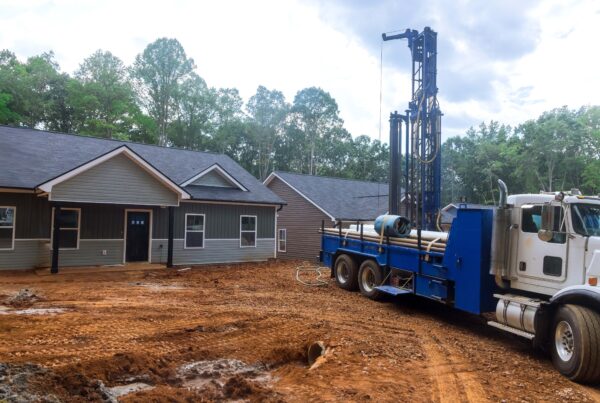
Mobilizing equipment involves transporting specialized rigs like rotary or percussion drills to your site. These machines aren’t your everyday tools—they’re large, powerful, and require careful handling to operate efficiently on often uneven terrain.
Setting up includes establishing safety barriers around the work zone, not just for worker protection but also for anyone nearby. This controlled environment reduces risks of accidents during this noisy, dusty operation.
At Stevens Drilling in La Vernia, Texas, we prioritize these safety measures because they ensure smooth progress without unexpected delays or hazards cropping up.
With preparations complete, the core of the project begins—the actual drilling and installation—each choice here directly influences your well’s longevity and water quality.
During drilling, the rig creates a borehole by penetrating down through layers of soil and rock to reach aquifers beneath. Depending on ground conditions—softer sediments or harder rock—the drill type varies.
Rotary drilling uses continuous rotation to grind through earth, ideal for softer soils common in parts of our Texas Hill Country service area including Bexar and Guadalupe counties. Percussion drilling pounds at hard rock formations where needed.
After reaching desired depth, workers insert casings—tubular structures that support borehole walls preventing collapse—and screens that filter out sediment while allowing water to flow freely.
The final stage within this step is well development, a process flushing out fine particles left behind by drilling to ensure clear water flow when pumps are installed.
Choosing a reputable local company like Stevens Drilling means tapping into decades of experience navigating these steps seamlessly—from thorough site surveys through post-installation testing—saving you headaches while ensuring reliable access to fresh water for residential, agricultural, or commercial needs across Wilson County and beyond.
Each phase—from survey through pump installation—is essential not only for reliability but also directly impacts overall project costs and timeline expectations. Understanding how these stages unfold naturally prepares you to grasp what influences the final cost of your well project.
Factors Affecting Drilling Costs
One of the biggest contributors to water well drilling expenses is the geological makeup of your land. When the drill bit meets hard rock or dense clay layers, progress slows, and specialized equipment is required. This not only lengthens the drilling time but also puts more wear on machinery, which translates into higher costs.
On the other hand, if your property sits atop sandy or gravelly soil, drilling tends to proceed much faster and with less strain on equipment. Yet these softer soils often need extra casing to ensure the well walls remain stable and don’t collapse, adding another layer of expense.
Beyond natural conditions, compliance with laws and guidelines cannot be overlooked when budgeting for a new well.
Texas, like many states, has specific rules regulated by entities such as the Texas Commission on Environmental Quality (TCEQ). Meeting these requirements means acquiring permits, undergoing inspections, and sometimes paying fees—all factors that add to your overall cost.
The benefit here is undeniable: a properly permitted well guarantees both safety and legality, avoiding costly repercussions down the line. While regulatory compliance nudges costs upward, it protects your investment and ensures environmentally responsible drilling.
Another set of crucial considerations directly linked to price revolves around how deep and wide your well needs to be.
- The depth directly influences materials, labor hours, and rig operation time. A shallow well tapping into an accessible aquifer will naturally cost less than one that must plunge hundreds of feet through tough strata.
- Similarly, the diameter of the well bore matters because larger diameters consume more piping and require additional labor during installation, leading to increased expenses.
Bearing in mind these factors will help you understand quotes from local companies like Stevens Drilling in La Vernia, Texas—experts who tailor solutions based on your land’s unique characteristics.
Keeping your well properly maintained after installation is key to protecting this significant investment. Regular upkeep minimizes unexpected repair bills and ensures consistent water quality.
By partnering with trusted professionals who are familiar with regional geology and regulatory demands in counties such as Bexar, Guadalupe, or Wilson, you not only get fair pricing but peace of mind that your water source is secure and sustainable for years to come.
If you’re curious or ready to explore service options near you, give Stevens Drilling a call at (830) 947-0245 or visit their website at stevensdrilling.com for expert guidance tailored to Texas Hill Country conditions.
Understanding these cost drivers sets the stage for proactive care strategies that extend the life and efficiency of your water system. Let’s move forward into effective practices that keep your well running strong over time.
Maintaining Your Water Well
Keeping a water well in good condition isn’t just about avoiding expensive repairs—it’s about securing a reliable water supply that you can depend on every day. Regular upkeep allows you to spot small problems early, before they escalate into costly failures or contamination risks. The key is establishing a routine that balances professional oversight with personal vigilance.
Regular Inspections
Scheduling annual inspections with a qualified water well specialist can make all the difference. During these visits, the professional will carefully assess mechanical components like pumps, motors, and pressure tanks while also testing your water quality for any signs of contaminants such as bacteria or heavy metals. Given the complexities involved and the importance of accuracy, leaving this task to experts helps prevent unexpected breakdowns and keeps your well compliant with regulatory standards. It’s a proactive approach—tackling potential issues before they become emergencies.
Routine Cleaning
Water wells accumulate biofilm and bacteria that can affect taste, odor, and safety. A trusted method for revitalizing the system is shock chlorination—a process where a high concentration of chlorine is introduced temporarily to sanitize the entire system. This deep cleaning not only kills harmful microorganisms but also removes buildup inside pipes and tanks.
Because improper handling of chemicals or insufficient flushing can cause damage or lingering chemical taste, this cleaning should always be performed by professionals who understand the delicate balance needed for effective sanitation without harm.
Monitor Water Levels
An often overlooked but critical aspect of maintenance is keeping track of your well’s water levels. Sudden drops may signal underlying problems such as aquifer depletion, pump malfunction, or leaks in your plumbing system.
Simple tools like manual dip tapes can give you quick readings, but advances in technology allow for automated sensors that provide continuous monitoring and alerts directly to your phone or computer.
Staying attentive to these changes helps you react swiftly—adjusting usage patterns or scheduling repairs before service interruption becomes an issue.
With consistent care through inspection, cleaning, and monitoring, your well will deliver quality water for years to come; next, you’ll want to partner with a trusted local company experienced in providing expert well services tailored to meet these maintenance needs.
Choosing the Right Drilling Company
Selecting a reputable water well drilling company is more than just hiring someone with a rig and equipment—it’s about ensuring that your investment delivers clean, reliable water for years to come. Quality workmanship, adherence to local regulations, and knowledge of the unique Texas Hill Country geology all combine to determine whether you’ll end up with a well that performs consistently or one prone to costly repairs and low water yields.
Start by thoroughly researching each company’s credentials. Licensing is not just a formality—it’s proof that the company complies with strict safety and environmental standards. Longevity in business often reflects experience navigating varied soil conditions and regulatory frameworks that are common across counties like Bexar, Guadalupe, and Medina. Beyond licenses, ask about their background working specifically in your area. Local expertise translates into smarter site selections, optimizing drilling depth, and minimizing issues with hard rock or clay layers that might otherwise cause delays or damage.
Customer feedback also provides a window into real-world performance and professionalism. Online reviews and testimonials reveal how companies respond to challenges, handle unforeseen issues during drilling, and stand by their guarantees afterward. Don’t hesitate to request references from recent projects within your community; speaking directly with a past client can offer priceless insights regarding transparency, punctuality, and overall satisfaction.
When making contact, center your conversation around these essential questions:
- How long has your company been servicing this region?
- What experience do you have with the specific geological challenges here?
- Can you provide examples or references of recent local well installations?
These questions not only test technical know-how but also build confidence that the team understands your area’s particular needs.
At Stevens Drilling, we bring over five decades of dedicated service to homes and businesses throughout the Texas Hill Country. Our commitment goes beyond drilling—we focus on delivering lasting solutions tailored to each customer’s water needs. Visit our website to explore detailed service offerings, customer testimonials, and helpful resources as you prepare for your next well project.
Identifying the right drilling partner sets the foundation for success; understanding how to navigate costs efficiently ensures you stay on course without unwanted surprises.
Cost-Saving Tips for Well Drilling
One of the most effective ways to save money on your water well drilling is timing your project smartly. Drilling companies in Texas Hill Country, including Stevens Drilling in La Vernia, tend to be busiest during spring and summer when water demand peaks. Scheduling your drilling in off-peak months, like late fall or winter, can create room for negotiation.
When rigs aren’t booked solid and work slows down, companies often provide discounts or promotions. The quieter season also means crews can dedicate more focused attention to your project, potentially improving efficiency.
Beyond timing, material choices have a surprisingly big influence on costs and long-term upkeep.
While stainless steel casings might feel like the premium choice, opting for durable yet cost-effective options such as PVC casings often makes sense—especially if your groundwater conditions don’t demand extreme corrosion resistance.
PVC offers sufficient strength and longevity for most residential wells while cutting down substantially on materials expense. At Stevens Drilling, soil and water chemistry are carefully assessed for each site before recommending casing types, ensuring the right balance between quality and price without overspending on unnecessary specs.
Now, before the drill even touches the ground comes an excellent opportunity for you to save a few bucks by taking action yourself.
Simple preparations such as clearing brush, removing debris from the drilling area, and marking out the intended well location help streamline a driller’s job. These DIY tasks speed up rig setup and reduce labor hours.
Additionally, providing any prior site survey data or geological reports you might already have can help cut down exploratory time on-site. Stevens Drilling clients who prepare their sites thoughtfully often see smoother scheduling and reduced overall labor charges.
Of course, no money-saving strategy is complete without gathering enough information to make an informed choice.
Getting detailed quotes from multiple reputable well drilling companies across Texas Hill Country is essential. But don’t just focus solely on the bottom line—scrutinize what’s included in each estimate:
- Are permits handled?
- What warranties or post-installation services are offered?
- Are pump installation and system testing part of the package?
For instance, Stevens Drilling has built a reputation over 50+ years by combining competitive pricing with thorough service coverage, aiming for transparency so customers understand exactly what they’re paying for.
With these strategies—from choosing the right season and materials to preparing your site and comparing quotes—you’re equipped to manage costs while achieving a high-quality well that will serve you reliably for years to come.
Smart planning and informed decisions transform water well drilling from a costly necessity into a manageable investment in your property’s future water security.
What companies offer reliable water well drilling services in my area?
If you’re searching for reliable water well drilling services nearby, companies like AquaPros Drilling, WellSpring Experts, and PureFlow Solutions consistently top local reviews for quality and customer satisfaction; in fact, AquaPros boasts a 98% project success rate and a 4.9-star rating across 150+ verified reviews—proving that the right driller is just around the corner to quench your thirst!
What permits or regulations are required for water well drilling locally?
When drilling a water well locally, you’ll typically need permits from your city or county’s environmental or water resources department to ensure safe and legal drilling practices; regulations often include setback distances from septic systems and contamination sources. According to the Environmental Protection Agency, about 80% of localities require permits to prevent groundwater pollution and over-extraction, so checking with your local authorities upfront saves you from costly fines and headaches later.
What factors should I consider when choosing a water well drilling contractor near me?
When choosing a water well drilling contractor near you, consider their experience and local reputation—companies with over 10 years often boast a 95% satisfaction rate. Verify licenses and insurance to avoid liabilities, and ask about the drilling methods they use to ensure efficiency and environmental compliance. Also, factor in cost transparency; the average well drilling cost ranges from $3,000 to $15,000 nationally, so get clear quotes upfront to avoid surprises. Finally, check for warranties and customer reviews to ensure long-term reliability.
How much does it typically cost to drill a water well nearby?
Typically, drilling a water well nearby costs between $3,000 and $15,000, depending on depth, geology, and local labor rates; for example, shallow wells around 100 feet might run closer to $3,000-$5,000, while deeper wells exceeding 500 feet can climb towards $12,000 or more—so always budget a bit extra for surprises underground!
How long does the water well drilling process take from start to finish?
The water well drilling process typically takes anywhere from 1 to 5 days, depending on factors like soil conditions, depth needed, and local regulations. For example, a standard residential well might be drilled in just a day or two, but tougher terrain or deeper wells can extend the timeline. On average, most homeowners see their new well up and running within a week from start to finish—including permits and testing—making it quicker than you’d expect for something going deep into the earth!