

Looking for reliable water well drilling services nearby can feel like a tough job—there are so many choices, and it’s hard to know who to trust. If you want clean water without surprises in cost or quality, knowing where to look and what questions to ask makes all the difference. This guide will walk you through how to find local experts who understand your area, explain what to expect during the drilling process, and help you make a smart choice that fits your needs and budget.
Stevens Drilling offers expert water well drilling and installation services throughout the Texas Hill Country region, including areas like San Antonio, New Braunfels, and Boerne. With decades of experience and a strong reputation for quality and reliability, we provide customized well solutions tailored to your specific needs—contact us at (830) 947-0245 to get started.
Finding Water Well Drilling Services Near You
When you type “water well drilling near me” into a search engine, you quickly realize that the sheer number of options can be overwhelming. However, the key is not just quantity but quality.
Local directories and review sites like Google Reviews or Yelp provide rich insights—ratings, customer feedback, sometimes even photos of completed projects—all valuable for understanding how well a company performs. These platforms allow you to gauge not only the competence of a drilling service but also their professionalism, timeliness, and communication skills.
Exploring reviews often reveals details about responsiveness and follow-through that do not appear in ads or on websites.
Beyond digital searches, there’s a timeless resource everyone should use: local recommendations. Neighbors, friends, and community members who have recently had wells installed can offer firsthand perspectives based on their experiences.
This word-of-mouth information often highlights dependable companies that don’t invest heavily in marketing but deliver solid work and fair pricing.
For instance, residents around La Vernia often recommend Stevens Drilling, a family-owned business trusted since 1968.
Customers frequently cite its transparent pricing policies and excellent customer service as reasons they felt confident throughout the entire process—from initial consultation to final pump installation. Such personal endorsements are invaluable because they come from people whose needs closely match your own.
After compiling potential candidates from both online research and community input, the next crucial step is evaluating pricing structures alongside reputations.
Don’t just choose based on the lowest bid; consider what each company offers within their quotes—warranty options, equipment quality, site survey thoroughness, and compliance with local regulations such as those enforced by the Texas Commission on Environmental Quality (TCEQ).
Requesting detailed estimates helps you compare apples to apples and recognize any hidden fees or insufficient services.
Here’s a quick reference guide to assess potential water well drilling contractors:
| Factor | Questions to Ask | Importance |
|---|---|---|
| Licensing & permits | Are they fully licensed and compliant locally? | Ensures legal and safe operations |
| Experience | How many years have they been drilling in your area? | Reflects familiarity with local geology |
| Equipment | What type of drill rigs and pumps do they use? | Affects efficiency and durability |
| Customer support | Is post-installation service available? | Critical for future repairs |
| Pricing clarity | Are all costs included in the estimate? | Avoids unexpected expenses |
With these essential factors considered, you will be better equipped to identify trustworthy local experts who meet your specific well-drilling needs. Next, we will explore how to weigh these qualities against cost factors to make the most informed decision possible.
Evaluating Local Companies and Pricing
When it comes to choosing a water well drilling service, understanding the balance between cost and quality is essential. It’s tempting to go for the lowest bid, but this could mean sacrificing critical aspects like thorough site assessment or durable equipment. On the other hand, the most expensive option isn’t always the best either. The key lies in comparing detailed service packages alongside quoted prices to uncover true value.
For example, Stevens Drilling, a long-standing family business in Texas Hill Country, combines competitive pricing with transparent service descriptions. Their free initial consultations help you understand what your particular site requires and set clear expectations about costs involved. This upfront clarity can prevent unwelcome surprises later on — an invaluable advantage when investing in a well that can last decades.
Contrastingly, companies like ABC Well Service might charge slightly more upfront but include maintenance packages as part of their offering. These ongoing services can save money over time by preventing common problems that arise from neglect or improper upkeep. If you prefer a hands-off approach after installation, such packages represent peace of mind wrapped into your investment.
Meanwhile, ClearWater Drilling presents a different appeal by emphasizing eco-friendly drilling methods while maintaining mid-range pricing. For those sensitive to environmental impact or interested in sustainable water sourcing, such specialization might justify a modest price premium.
| Company | Pricing | Key Features | Additional Benefits |
|---|---|---|---|
| Stevens Drilling | Competitive | Detailed service breakdowns & free consultation | Local expertise since 1968 |
| ABC Well Service | Slightly higher | Includes maintenance packages | High customer satisfaction |
| ClearWater Drilling | Mid-range | Eco-friendly drilling solutions | Fast service delivery |
Beyond just price tags and feature lists, communicating directly with potential contractors often reveals insights not always apparent on paper. Ask specific questions about drilling techniques they use, anticipated timeline for completion, warranty on equipment—and how they handle unforeseen complications. Well-informed companies like Stevens Drilling pride themselves on honest dialogue and industry expertise accumulated over decades serving Texas communities.
In addition to quotes and features, consider each company’s responsiveness and willingness to educate you about your well options. This interaction reflects professionalism and care that extends beyond the drill bit itself—elements that ultimately shape your satisfaction with the entire project.
Before signing any agreements, gather multiple written quotes detailing every component—drilling depth, casing materials, pump installation, permits required—and weigh them carefully against your priorities: longevity, budget constraints, environmental impact, or convenience. Prioritize not only the numbers but also trustworthiness and reputation in your community.
Armed with this knowledge and tailored comparisons unique to your situation, you are better equipped to find a reliable partner ensuring quality workmanship and fair pricing—turning what could be a stressful process into steady progress toward clean water access.
With a clearer understanding of how to evaluate local companies and their pricing structures, we now shift focus to explore the diverse range of services these contractors offer to meet varied water well needs.
Types of Drilling Services Available
Different drilling methods and service types exist precisely because water needs vary widely. Whether you’re seeking water for your home garden or a large-scale agricultural operation, knowing what kinds of drilling services fit your situation can save you from unexpected costs and delays.
Starting with residential drilling, these typically involve shallower wells—often less than a few hundred feet deep. Because the demand is lower and the geology generally less complex near homes, the process is usually faster and more affordable. Companies like Stevens Drilling specialize in tailored packages that cover everything from initial site surveys to ensuring your well water meets safety standards through purity tests.
Residential drilling often includes a detailed site survey where experts assess soil and rock formations to identify the best spot for drilling. This step is crucial because it minimizes problems such as dry wells or contamination later on. Shallow depth also means fewer challenges with heavy equipment; therefore, many homeowners find such projects manageable both in terms of cost—often starting around $2,500—and timeline.
Moving beyond residential needs, commercial and agricultural projects introduce more demanding specifications.
Commercial and agricultural drilling typically require much deeper wells, sometimes extending several hundred feet or more depending on the water table and usage requirements. Deeper wells mean a greater likelihood of encountering hard rock layers or other geological obstacles that slow drilling and increase equipment wear.
Because businesses rely on uninterrupted water supply—for processes, irrigation, or livestock—the standards for safety, reliability, and volume are significantly higher than for a home well. Consequently, these projects come with steeper price tags and longer schedules.
The need for durability in commercial and agricultural wells influences material choices—such as thicker casing to prevent collapse—and pump sizes designed for high-volume flow. Safety regulations also play a bigger role here; adherence to local environmental guidelines ensures that groundwater remains uncontaminated and sustainable for future use.
| Type of Drilling | Cost Range | Companies |
|---|---|---|
| Residential | $2,500 – $5,000 | Stevens Drilling, ABC Well Service |
| Commercial | $10,000 – $20,000 | Stevens Drilling, ClearWater Drilling |
| Agricultural | $7,000 – $15,000 | ClearWater Drilling, ABC Well Service |
When comparing companies and costs like those listed above, remember that price often reflects not just labor but expertise, equipment quality, permits acquisition, and aftercare services such as maintenance or repairs.
Stevens Drilling stands out in Texas Hill Country by combining decades of experience with a family-owned commitment to dependable service across these varied needs.
Understanding the variety of drilling services available sets the stage for appreciating the complexity and precision involved in the actual drilling process that follows next.
Understanding the Drilling Process
Water well drilling is much more than just digging a hole in the ground. It’s a carefully orchestrated series of steps, each designed to maximize water access while protecting the environment and your investment. The process begins with what’s called a preliminary site survey. This crucial step involves geophysical testing to understand soil types, rock formations, and groundwater levels within your property. Companies like Stevens Drilling leverage decades of local knowledge and technology during these surveys, helping choose the best spot where water is most abundant and accessible.
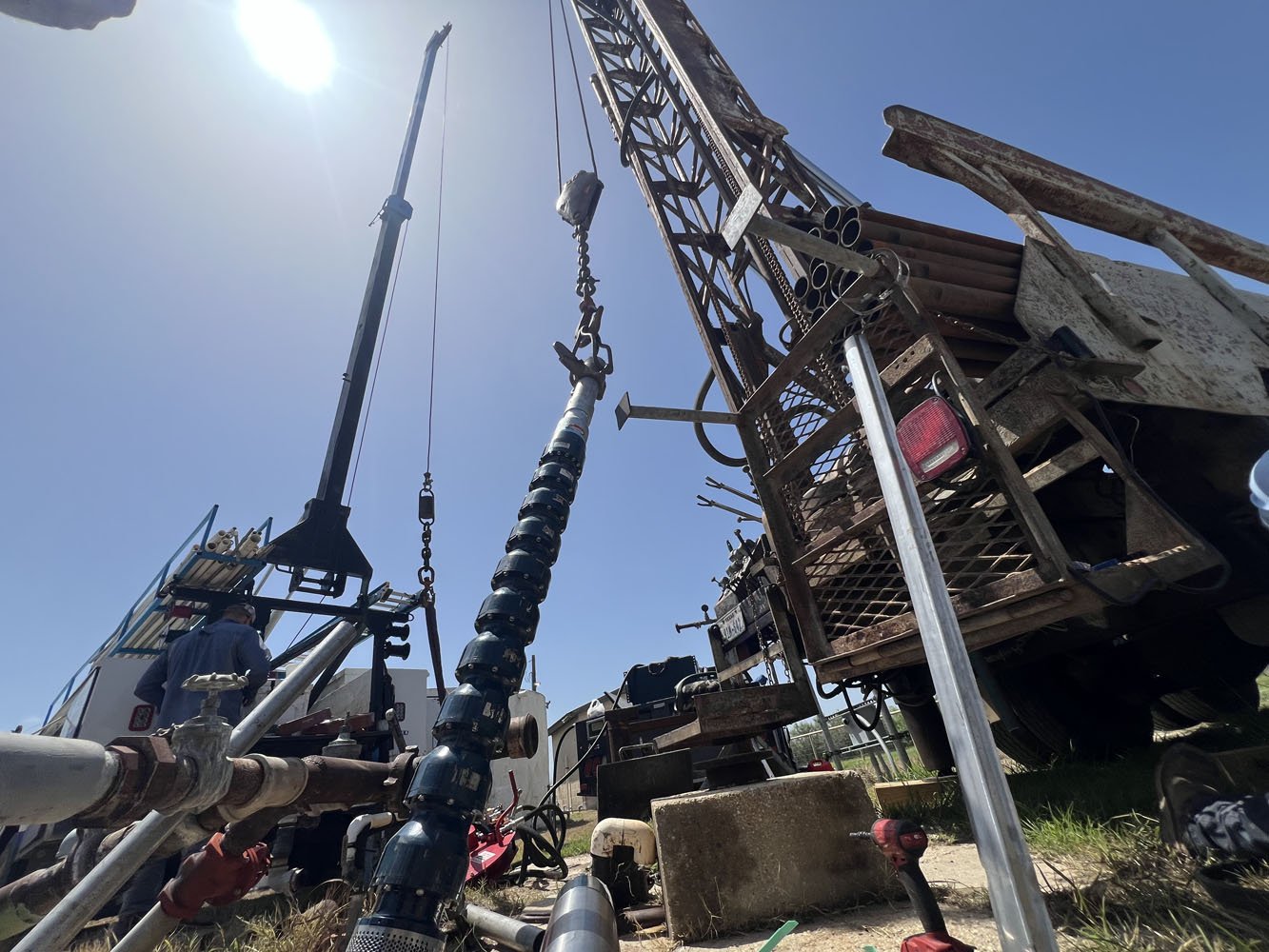
From there, the actual drilling begins. Depending on the terrain and underground conditions, different drilling methods come into play. Rotary drilling, for instance, uses a rotating drill bit to cut through softer earth and requires advanced rigs — a method favored for its speed in reaching substantial depths. On the other hand, cable tool drilling, while slower and more labor-intensive, can be more effective when dealing with hard rock layers or challenging geological formations common in Texas Hill Country. The decision between these methods isn’t arbitrary but rather a careful choice made after considering efficiency, cost, and the specific characteristics of your land.
Next comes well installation, where precision becomes critical. To prevent contamination from surface pollutants or loose dirt seeping into your water supply, steel or PVC casings are inserted into the borehole. Screens are also installed near the base of the casing – think of them as filters that allow water in while keeping sand and sediments out. Stevens Drilling relies on high-grade materials to ensure these components last, resisting corrosion and maintaining well integrity even under heavy use.
Finally, the well must be developed and equipped with a reliable pump system. Well development helps flush out fine particles left from drilling that could cloud your water or damage equipment over time. Following this, professional-grade pumps such as those from Grundfos are installed to ensure steady water flow tailored to your household or commercial needs. This combination of development and pump technology ensures clean water delivery with energy efficiency—a benefit both for your wallet and the environment.
Each phase of this process—from surveying to pumping—is built on technical expertise combined with an understanding of local geology and regulations. It’s why working with experienced contractors like Stevens Drilling matters: they bring not only equipment but also insight gleaned from over half a century serving communities across Texas Hill Country.
Understanding these core steps provides essential context for how various environmental and logistical factors influence both the cost and long-term success of a well installation project.
Factors Influencing Well Installation
Choosing the right site for your water well isn’t just about convenience—it’s a critical decision that impacts the cost, efficiency, and lifespan of your well. One of the major influences is the geology beneath your feet. The type of soil and rock formations determine both how we approach drilling and the durability of the well afterward.
For example, softer soils like clay or silt allow for faster drilling but can present challenges with water quality and stability, while hard rock layers require specialized rotary or percussion drilling rigs that work slower but often access cleaner aquifers.
In regions where sandy soils dominate, like much of Texas Hill Country, water yields tend to be higher because sandy layers function as natural filters, letting groundwater accumulate without too many impurities. However, this benefit comes with the caveat that sandy formations are more prone to contamination from surface runoff; thus, more robust casing and screens are necessary to protect your water supply. This means an upfront investment in better materials, but it ultimately safeguards water quality.
Supporting this, studies from the Texas Water Development Board reveal a clear correlation: wells drilled into sandy substrates generally deliver consistent flows but need greater precautionary measures against sediment infiltration than those in more consolidated or rocky terrains. Understanding this gives you insight into why some wells cost more initially—they’re designed for lasting safety and performance.
Beyond what’s underground, legal factors play an equally vital role in well installation—shaping everything from where a well can be placed to how it’s constructed.
Legal and Regulatory Compliance
Water well drilling is tightly regulated across Texas, ensuring that groundwater resources remain sustainable and free from pollution. The Texas Commission on Environmental Quality (TCEQ) sets comprehensive standards covering site selection, construction methods, well spacing, and reporting after installation. Working with experienced companies like Stevens Drilling means these regulations are always met or exceeded.
Before you hire anyone, verify their credentials. It pays dividends to confirm that your driller holds proper licensing and permits aligned with TCEQ requirements. Skipping this step isn’t just risky legally—noncompliance can lead to costly fines or having to redo the entire well work later.
Always ask your contractor to share their permit numbers and provide documentation proving inspections have been passed along the way. Transparency here signals professionalism and protects your investment.
Proper adherence to regulations also relates directly to environmental stewardship—by carefully assessing groundwater availability and preventing contamination risks, your well contributes positively to the community’s shared resource pool.
Recognizing how geology and legal guidelines intersect helps frame the overall complexity behind what might seem a straightforward task: drilling a hole and pumping water. The journey continues beyond mere installation to focus on how ongoing oversight ensures longevity and reliability in every drop drawn from your well.
Quality Control and Post-Drilling Care
After the drilling rig moves away, the work doesn’t just end there. Ensuring that your well operates smoothly and reliably starts with meticulous quality control right after installation. This process helps prevent issues like contamination or mechanical breakdowns that can cost money and cause frustration down the road. When we talk about post-drilling care, it’s really about setting a foundation for years of trouble-free water supply.
Water Quality Testing
One of the first and most important steps after the well is drilled and the pump installed is to test the water quality comprehensively. This testing looks for bacteria, nitrates, heavy metals, and other contaminants that could affect your health or the taste of your water. At Stevens Drilling, we emphasize this because even if groundwater comes from a seemingly clean source, problems can arise from soil composition or surface runoff seeping into your well.
The initial test provides a baseline snapshot, but ongoing periodic testing is equally important—think of it as regular health check-ups for your water supply. This proactive approach allows you to catch potential problems early before they escalate.
Maintenance Services
Beyond testing, regular maintenance forms the backbone of keeping your well running efficiently. This includes inspecting and servicing the pump system, which often bears the brunt of wear and tear as it tirelessly pulls water from underground. Cleaning the well itself prevents sediment buildup that can reduce flow rates and strain equipment.
Don’t overlook the casing—the sturdy lining that keeps your well stable and blocks contaminants; small cracks or shifts might seem insignificant now but can become costly repairs later if ignored. Regular inspections allow technicians to spot these problems early, often saving you both money and headaches.
The key insight here is that drilling a well is just the beginning of a continuous care cycle. The relationship with your well mirrors something living—it needs attention to thrive. Taking these steps not only extends the life of your system but also ensures consistent water quality and availability for everything from household use to irrigation or livestock needs.
Having explored how to keep your water system in top shape, we move forward to examine the various ways wells support everyday activities in homes, farms, and businesses alike.
Common Applications of Water Wells
Water wells are far from one-size-fits-all; their design, depth, and construction adapt largely based on the specific purpose they serve. Residential wells often top the list, providing clean, safe drinking water for families. This isn’t just about quenching thirst; it’s about having reliable access to water that’s free from municipal restrictions or interruptions.
Take the Smith family in Texas, for instance—they switched to a private well system and noticed something remarkable: their utility bills shrank significantly while their water tasted fresher and was naturally filtered by underground aquifers. The ability to irrigate home gardens using well water also adds a layer of sustainability to everyday living that many find invaluable.
Beyond households, agriculture leans heavily on wells as a lifeline for both crops and livestock.
Farms rely on wells to get water right where it’s needed—whether that’s to nourish rows of crops or keep cattle hydrated. According to USDA data, farms with dedicated wells save roughly 20% annually on water costs compared to those relying exclusively on municipal sources. These savings add up quickly and help farmers maintain consistent production during droughts or municipal restrictions.
Irrigation systems connected to wells ensure plants receive the right amount of water without excess usage, contributing not only to cost-effectiveness but also environmental stewardship.
Commercial and industrial users approach wells with another set of priorities, demanding large quantities of dependable water supply.
Businesses such as golf courses, manufacturing plants, and large-scale landscaping operations demand high volumes of water daily. Having a private well means they aren’t exposed to fluctuating municipal rates or potential supply shortages that could disrupt operations.
Instead, these commercial wells enable steady workflows and reduce overheads linked to purchasing water externally. This reliability also fosters better planning for maintenance and expansion since water availability is under direct control rather than subject to city infrastructure variables.
“For industries that run on precision and productivity, dependable water access isn’t a luxury—it’s a necessity.”
Understanding these varied applications is key when considering a water well installation because the intended use shapes everything—from drilling depth and casing materials to pump specifications. Whether you’re looking for household convenience, agricultural efficiency, or commercial dependability, each scenario calls for tailored expertise to optimize both performance and longevity.
If you want to explore more about which type of well best fits your needs or seek professional guidance on installation in Texas Hill Country and nearby areas, don’t hesitate to check out Stevens Drilling.
They combine decades of experience with local knowledge to ensure you get a solution perfectly suited for your property, your water needs, and your budget.
Choosing the right type of well tailored to your unique requirements ensures reliable access to this invaluable resource for years to come. Trusting local experts like Stevens Drilling maximizes both efficiency and peace of mind throughout the process.
What should I expect during the water well drilling process from start to finish?
Expect the water well drilling process to start with site evaluation and permits, followed by the actual drilling using specialized rigs that can reach hundreds of feet underground. Once the borehole is drilled, casing is installed to keep it stable, then a pump system is set up to bring water to the surface. The whole process typically takes 1-3 days for residential wells, with about 85% of projects completing within this timeframe. Finally, water testing ensures safety before you enjoy fresh, reliable hydration straight from your property!
What factors affect the cost of drilling a water well near me?
The cost of drilling a water well near you hinges on factors like the depth required (deeper wells cost more), the geology of your area (rocky soil vs. sandy soil), local labor rates, and permits. For instance, drilling costs can range from $15 to $30 per foot, with average total costs in the U.S. between $3,000 and $8,000—rocky terrains and greater depths mean pricier bills. Also, specialty services or water testing add to the tab, so location and ground conditions are king!
What local regulations or permits are required for water well drilling near me?
Local regulations for water well drilling can vary widely, but generally, you’ll need permits from your city or county government to ensure the well meets health and safety standards; for example, in many U.S. states, over 70% of counties require a drilling permit to protect groundwater quality and prevent contamination. Always check with your local environmental or water resources department—they’ll usually have specific rules about location, depth, and materials used, plus inspection requirements to keep your well compliant and your water clean.
How do I find a reliable and licensed water well drilling company in my area?
Finding a reliable and licensed water well drilling company near you is as easy as digging for gold—start by checking local business directories and state licensing boards, which typically list verified contractors; about 78% of homeowners who use licensed pros report higher satisfaction rates due to quality work and adherence to safety standards. Don’t forget to read reviews, ask for references, and verify insurance—because when it comes to your water supply, you want someone who’s not just digging holes but building trust!
How long does it typically take to drill a water well in my region?
Typically, drilling a water well near you takes anywhere from one to three days, depending on factors like soil type, depth to the water table, and local regulations; for instance, sandy soils or shallow aquifers can speed things up, while rocky terrain or deeper wells might stretch the time longer. In fact, studies show that about 70% of residential wells in your region are completed within 48 hours, making the wait almost as quick as finding those “near me” drillers online!