


Looking for a dependable water well drilling service nearby can feel overwhelming with so many options out there. You want expert help that knows your area, offers fair prices, and guarantees quality work without surprises. Whether you’re aiming to install a new well or maintain an existing one, finding local professionals who understand the unique challenges of Texas Hill Country is key to getting clean, reliable water for your home or farm. This guide breaks down how to find trusted experts, what kinds of wells fit different needs, and what to expect from start to finish—making your search simpler and smarter.
Stevens Drilling provides expert water well drilling services throughout the Texas Hill Country and surrounding areas, including San Antonio, Boerne, New Braunfels, and more. With decades of experience since 1968, we offer comprehensive drilling, installation, and well pump services tailored to residential, commercial, irrigation, and livestock needs—contact us at (830) 947-0245 for reliable local service.
Locating Water Well Drilling Services Near You
Start your search by typing “water well drilling near me” into a search engine, which will bring up local companies actively serving your area. This initial online exploration often reveals not only company websites but also review platforms where previous customers share their experiences.
These reviews are invaluable because they offer insights beyond marketing claims, helping you gauge a company’s reliability and quality of work. For instance, look for consistent mentions of punctuality, professionalism, and adherence to schedules—qualities that speak volumes about a service provider’s dedication.
While the internet provides a wealth of information, don’t overlook traditional yet effective sources such as local directories or government offices.
Your county office or water management authority often keeps records and licenses for certified water well drillers operating in the region. Reaching out to them can yield trusted referrals and ensure you engage a company compliant with Texas Commission on Environmental Quality (TCEQ) standards.
Additionally, local business directories tailored to specific counties or towns can list vetted professionals who have been part of the community for years. Integrating personal recommendations from neighbors or agricultural groups adds another layer of trust; these groups often rely heavily on well-drillers, providing firsthand feedback about service speed and post-installation support.
Once you have gathered a shortlist, comparing these providers systematically sharpens your choice and safeguards your investment.
Approach this comparison with three key criteria: pricing transparency, range of services offered—including drilling, installation, and maintenance—and customer satisfaction reflected in solid testimonials. Don’t be swayed solely by the lowest bid; instead, consider the completeness of their offerings and responsiveness to your questions.
A seasoned company like Stevens Drilling, with decades of experience in Texas Hill Country, excels not just at drilling wells but also delivering tailored home filtration wellness packages. Remember that affordable upfront costs with poor service can cost much more down the line through repairs or replacements.
“Choosing the right water well driller means balancing cost with quality and reliability to secure clean water for years to come.”
By thoroughly researching online, consulting respected local resources, and carefully weighing your options, you position yourself to find a drilling service that fits your needs perfectly—one that will stand the test of time just like family-owned businesses that have been pillars in communities since 1968.
Understanding how to locate dependable drilling experts sets the stage for diving deeper into different well types and their specific applications. The next step is exploring what kind of water well best serves your needs based on purpose and environment.
Types of Water Wells and Their Uses
Water wells come in different shapes and sizes, primarily shaped by their purpose and the geology beneath your land. Each well type offers unique advantages and suits certain needs better than others, so knowing what fits your situation is half the battle won.
Drilled Wells
Drilled wells are the heavy lifters in the world of water sourcing. Using powerful rotary drilling machines, these wells reach deep into the earth, often hundreds of feet down, tapping into aquifers that provide a steady, reliable flow of clean water. Because they extend far beneath the surface, drilled wells are less vulnerable to surface contamination and seasonal droughts. This makes them a preferred choice for residential homes, commercial buildings, and municipal water supplies throughout Texas Hill Country.
The longevity of drilled wells often means less frequent maintenance and a dependable water source year-round.
Dug Wells
Dug wells hark back to an older tradition — usually made by hand or small equipment, digging wide but shallow holes until hitting the water table. Because these wells are typically closer to the surface, they’re more exposed to contaminants like runoff from rain or nearby sources.
Still, they remain useful in agricultural settings where water needs are moderate—mainly irrigation or providing for livestock in rural areas. Their simplicity can make them easier to maintain but also demands vigilance to avoid contamination and ensure safe use.
Driven Wells
Then there are driven wells, which may be less familiar but serve their niche well. These involve pushing a small-diameter pipe directly into layers of sand or gravel rich with groundwater. Because these rely on water close to the surface, they work best in regions with high water tables—often shallow compared to drilled wells.
Driven wells offer quicker installation times and lower costs but generally deliver smaller volumes suitable for light household use or specific irrigation needs.
When deciding which well type suits your property best, consider factors like the depth of your water table, potential contaminants near your site, and your household or business water demands. Experienced local experts such as Stevens Drilling do thorough site surveys that include soil testing and geological assessment to guide you toward the right choice—ensuring you get a well that’s both efficient and sustainable over time.
“Choosing the right well isn’t just about drilling; it’s about investing in quality water access that grows with your family or business.”
Understanding these different types of wells empowers you to ask informed questions when contacting service providers. It also ensures you select a solution tailored precisely for your needs rather than settling for a one-size-fits-all option.
After selecting the most appropriate well type for your property, it becomes crucial to evaluate local conditions that influence water availability and well performance. This insight helps you make informed decisions about drilling feasibility and long-term water supply security.
Evaluating Local Water Availability
When planning for a water well, one of the most critical steps is to evaluate how much water your land can provide. It’s not just about drilling deep or having the right equipment; it’s about finding a sustainable supply beneath your feet. Without this crucial knowledge, any investment in drilling could result in disappointment—or worse, dry wells that offer no relief. This is where understanding your local groundwater situation becomes essential.
Geological Surveys
A foundational resource many people overlook are geological surveys, which serve as detailed maps highlighting underground water tables and rock formations. These reports can often be accessed through state or local government websites, offering a first glance into how fertile an area is for well drilling. At Stevens Drilling, we always emphasize starting with these surveys because they guide us in selecting the drilling location that maximizes yield and minimizes risk.
For example, some regions in Texas Hill Country have porous limestone formations that hold rich aquifers, ideal for drilling. Others may have less permeable rock, which restricts water flow and increases drilling difficulty.
While surveys give a broad picture, they aren’t enough alone to guarantee success since conditions vary even within small geographic areas.
Sample Wells
That’s where sampling wells come in—digging smaller test holes to directly measure water quantity and quality on-site. Though this method adds upfront costs and time, it provides concrete data about what lies beneath your property.
This direct testing uncovers nuances that surveys might miss: layers of sediment clogging water flow or contamination sources affecting potability. For commercial or municipal projects where precision matters tremendously, sample wells are often indispensable despite their expense.
At Stevens Drilling, we recommend sample wells primarily for larger-scale developments or when local data remains unclear.
However, for residential customers or routine well installations, historical records nearby offer a practical guide without extra cost.
Historical Data
Reviewing existing wells near your land gives invaluable clues about what to expect from groundwater availability. This involves checking well depths, yields reported by neighbors or previous owners, and inspecting water quality trends over recent years.
Nonetheless, it’s important to understand groundwater isn’t static—it fluctuates seasonally and over longer spans due to rainfall changes, droughts, and increasing use by growing communities. For instance, areas around San Antonio have seen varied aquifer levels in the last decade because of weather cycles and urban expansion.
| Factor | Importance | Notes |
|---|---|---|
| Geological Surveys | High | Provides initial professional assessment |
| Sample Wells | Very High (for large sites) | Gives precise localized data but can be costly |
| Historical Well Records | Medium | Offers useful anecdotal data; watch for variability |
| Climate & Usage Trends | High | Crucial for long-term sustainability |
Combining these resources—the geology beneath you, tested samples when needed, and past well history—forms the backbone of wise well-planning decisions. It’s this thorough evaluation process that Stevens Drilling upholds to ensure every client gains not just access to water but dependable access over many years.
With a clear grasp of water availability under your property, the next step is understanding how to choose the right tools and professionals who turn this vital resource into a functional well tailored to your needs.
Selecting Equipment and Contractors
Choosing the right equipment and contractor is a pivotal decision that directly affects not just how well your water well functions initially, but its durability over time. Selecting a skilled contractor who understands the nuances of Texas Hill Country’s unique geology can mean the difference between a sturdy, reliable water source and costly repairs down the road.
Contractor Credentials
First, always verify that your contractor is licensed and insured within your state. A license confirms they have met specific professional standards and are knowledgeable about the legal and technical requirements — in Texas, this often involves compliance with Texas Commission on Environmental Quality (TCEQ) regulations. Insurance protects you from liability in case of accidents during drilling.
When contacting contractors like Stevens Drilling, you’re partnering with a company steeped in decades of experience since 1968, operating fully within regulatory frameworks while maintaining high community trust.
Don’t hesitate to ask for references or examples of past projects. Reputable contractors should readily provide testimonials or even connect you with happy customers in your area.
Equipment Quality
Beyond credentials, the quality and modernity of equipment play a huge role in efficient drilling. Modern rigs equipped for rotary or percussion drilling allow adaptability to varying soil types found across Bexar, Comal, and surrounding counties.
Well-maintained machines reduce downtime and risk of damage during drilling; this improves precision in reaching reliable aquifers and reduces environmental disruption.
For example, if the site has tough limestone formations prevalent in this region, specialized drill bits and timely replacement of worn parts become critical. Contractors using outdated or poorly maintained rigs may struggle with prolonged drilling times or incomplete boreholes — leading to subpar water flow and increased expenses.
Always inquire about what machinery your contractor uses, its age, maintenance schedule, and how it suits local geological conditions.
Contract Basics
Once you’ve vetted credentials and equipment, the contract itself should be crystal clear before any work begins. A comprehensive agreement outlines the scope of work so there’s no ambiguity about what services you are paying for, including drilling depths, casing installation, pump setup, or filtration system integration.
Timelines should be realistic with provisions for unforeseen delays like weather or hidden underground challenges. Costs must cover all aspects — labor, materials, permits — without sneaky add-ons later.
Guarantees related to workmanship or water quality hold immense value; reputable companies like Stevens Drilling stand behind their work with solid warranties reflecting confidence in their service.
Knowing the detailed terms upfront safeguards your investment while building trust between you and your contractor.
With these foundations firmly in place, the next phase centers on understanding precisely how well drilling unfolds—what tools come into play, which steps follow one another, and how each decision shapes your water source’s future. The intricacies revealed here form the essential backbone of effective well development.
The Water Well Drilling Process
Drilling a water well is a multi-step operation that balances precision with ruggedness. It starts with a site survey and permit acquisition, which might sound like paperwork, but this phase is foundational. At Stevens Drilling, we conduct careful geophysical testing to understand the soil and rock layers beneath your property. This testing helps identify where water is most accessible and confirms the site complies with environmental standards set by local authorities like the Texas Commission on Environmental Quality (TCEQ). Skipping these steps risks drilling in poor locations or running afoul of regulations that keep both your home and environment safe.
Once all permits are secured and the site is ready, attention shifts to mobilizing the heavy equipment needed for the job.
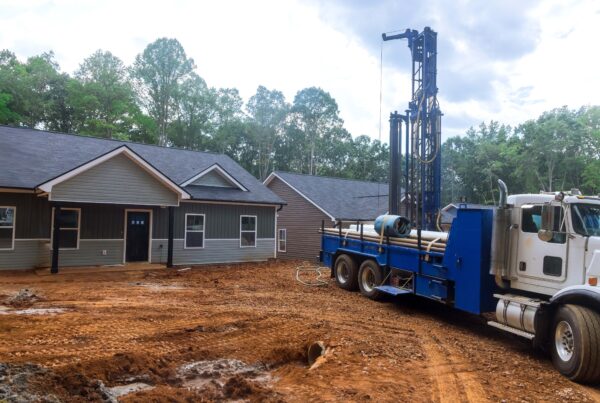
Mobilizing equipment involves hauling in specialized drilling rigs—rotary or percussion depending on the ground’s firmness—and setting up safety zones around the work area. This preparation is more than a formality; it ensures that neighbors and workers are kept safe and machinery operates smoothly. At this stage, every detail matters—from inspecting the drill bits to verifying hoses and pumps are functioning correctly—because any lapse can cause delays or damage to your property.
With everything in place, the heart of the project begins: drilling the well itself.
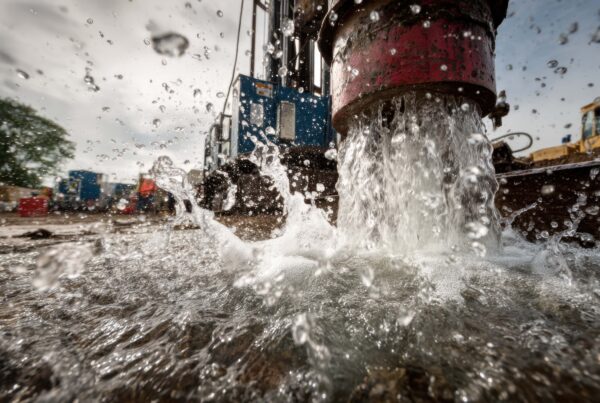
Drilling penetrates deep into the Earth, sometimes several hundred feet, cutting through various soil layers until reaching water-bearing formations. As drilling progresses, casing pipes are inserted to stabilize the borehole walls and prevent contaminants from seeping in. Alongside this, screens are installed near the water zone to filter out sediments effectively. This step protects the integrity of your well by maintaining its structure while ensuring clean water flows freely. Neglecting proper casing or screen installation could lead to costly repairs or unsafe water quality down the line.
After creating the well bore and installing protective components, developing the well becomes critical to prepare it for long-term use.
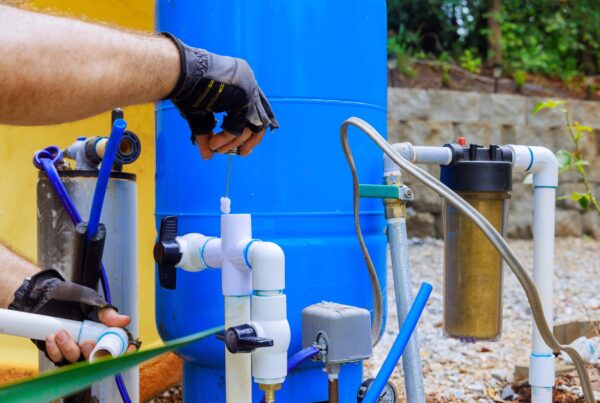
Well development entails flushing out fine particles left over from drilling, using pumps and sometimes compressed air or surging techniques. Flushing removes clays and silts that can clog your water supply later. Following this, a high-quality pump is installed to efficiently draw water up from underground reserves into your home or irrigation system. The choice of pump depends on factors like well depth and daily water demand. Proper development combined with professional pump installation guarantees not only clean but reliable access to your water throughout every season.
“Our experience since 1968 shows that a well-drilled with care lasts decades and provides peace of mind,” says Korri Stevens of Stevens Drilling.
Here’s a snapshot outlining each core step:
| Step | Purpose | Key Considerations |
|---|---|---|
| Site Survey & Permits | Locate viable water source, ensure legality | Soil testing, local regulations |
| Mobilizing Equipment | Prepare for drilling safely | Rig condition, safety barriers |
| Drilling & Casing Installation | Create borehole, prevent contamination | Depth targets, casing integrity |
| Well Development & Pump Setup | Clean borehole, enable efficient water flow | Particle removal methods, pump type |
If you’re seeking expert guidance through these steps, partnering with an experienced local company like Stevens Drilling ensures each phase receives thorough attention tailored to South Texas conditions. Shortcuts in drilling can cost you years of trouble; investing time upfront saves money—and headaches—in the long run.
Understanding these technical and legal aspects sets the stage for navigating the complexities of costs and compliance associated with water well projects.
Understanding Costs and Regulations
When planning for water well drilling, one of the first questions on people’s minds is inevitably about cost. It’s not just a simple price tag—drilling a well involves multiple stages, each with its own expenses. From the initial site survey to the pump installation that gets water flowing in your home or farm, these costs add up, and understanding them can prevent surprises down the line.
The site survey alone typically ranges from $500 to $1,500. This step might seem expensive, but it’s essential. It involves geophysical testing that helps locate the best spot for your well—a choice that affects how much water you’ll get and the longevity of your system. Cutting corners here could mean wasting money on a dry or low-yield well, which often ends up more costly in repairs and new drilling efforts.
Next comes permits, which usually range from $100 to $500 depending on your county or city requirements. These permits aren’t just red tape; they’re part of ensuring safer water use and protecting groundwater resources. Permitting fees support inspections and regulatory oversight, so abiding by local guidelines prevents fines or forced shut-downs later.
| Item | Estimated Cost |
|---|---|
| Site Survey | $500–$1,500 |
| Permits | $100–$500 |
| Drilling (per foot) | $15–$30 |
| Casing and Screens | $500–$2,500 |
| Pump Installation | $1,000–$2,000 |
| Total Estimated Cost | $5,000–$15,000+ |
The actual drilling cost varies tremendously because it depends on how deep and difficult the geology is beneath your property. Drillers charge per foot drilled—anywhere between $15 and $30—so harder rock formations can increase both time and expense. That’s why choosing a reputable local expert like Stevens Drilling, who understands Texas Hill Country’s unique terrain, is invaluable for accurate estimates.
Beyond drilling, installing casing and screens to stabilize the borehole and filter debris can cost between $500 and $2,500. Don’t underestimate this part—it protects your well from contamination and maintains long-term performance. Finally, pump installation varies from around $1,000 to $2,000 depending on capacity needed for residential or irrigation use.
Alongside these financial considerations are regulations that shape how wells operate safely within communities.
Regulations
Adhering to water rights laws and environmental rules isn’t optional—it’s mandatory for every well owner. These guidelines help ensure groundwater isn’t overused or polluted, preserving the resource for all users nearby. However, regulations can be complex and vary significantly by jurisdiction.
For instance, a customer in Guadalupe County might face different permitting steps than one near San Antonio or Medina County. Consulting with your local county water authority before drilling is crucial. They provide updated guidelines on application procedures, setbacks from property lines or septic systems, and required testing for water quality after installation.
At Stevens Drilling, we make navigating these rules easier by handling permit applications on your behalf while staying fully compliant with Texas Commission on Environmental Quality (TCEQ) standards. This professional attention ensures peace of mind knowing your new well meets state codes designed to protect public health.
If you’re planning to drill on your own land in Texas Hill Country or surrounding areas like Boerne or New Braunfels, reach out early to trusted local experts familiar with regional costs and rules—our team at Stevens Drilling has been serving since 1968 and can guide you through every step efficiently.
“But whoever drinks the water I give them will never thirst…” – John 4:14
Reliable access to clean water starts with smart decisions today.
Understanding these costs and regulations lays the groundwork for ongoing care and vigilance. Next, examining practical measures will help ensure your water system remains efficient and safe for years to come.
Maintenance and Safety Tips
Regular maintenance is the lifeline of any water well system. Without it, even the best-drilled wells can face issues that compromise both water quality and equipment longevity. Scheduling annual inspections is a simple but critical step.
During these check-ups, professionals examine well components like the pump, casing, and pressure tanks for signs of wear or damage. Inspections also include tests for contamination—because unseen pollutants can silently infiltrate your water supply, posing serious health risks.
It’s wise to arrange these inspections with trusted local experts familiar with Texas Hill Country geology and regulations, such as Stevens Drilling. Their decades of experience help identify problems early before they escalate into costly repairs or unsafe water conditions.
Beyond inspections, keeping the well environment clean plays an essential role in safeguarding your water source.
Sanitization involves preventing harmful substances from entering your well area. This means routinely clearing away chemicals, fertilizers, gasoline containers, or animal waste that might accidentally seep into groundwater near your wellhead.
Perhaps less obvious is periodic disinfection of the well itself using chlorine treatment—this effectively kills bacteria that could multiply in stagnant water or deteriorated casings. Knowing how to carry out chlorination safely or hiring professionals ensures your water stays pure without risking damage to your system.
Another sometimes overlooked facet of well care surrounds preparation for emergencies—especially power outages or environmental events.
Since many wells rely on electric pumps, having a backup generator can be a vital safeguard during Texas storms or outages. But power alone isn’t enough. A clean and securely fitted well cap acts like a shield, preventing dirt, insects, and surface runoff from contaminating your precious water supply.
Checking this cap regularly to ensure it remains intact and free from cracks protects you from potential contaminants entering unnoticed.
Attentive maintenance—through thorough inspections, proper sanitization, and emergency preparedness—preserves your well’s function and helps ensure safe, clean water for years to come.
Partnering with reputable local experts like Stevens Drilling can make these tasks easier by drawing on their long-standing expertise in Texas Hill Country’s unique conditions.
Understanding how to maintain your well sets the stage for exploring the numerous advantages that come with having a dedicated water source right on your property. The next section will highlight why installing a water well is more than just convenience—it’s a long-term investment in resilience and independence.
Benefits of Having a Water Well Installed
Installing a water well is more than just a practical choice; it’s an investment in long-term water security and financial savings. One of the most immediate advantages homeowners notice is cost savings. Unlike paying monthly fees for municipal water—which can fluctuate with infrastructure changes or drought conditions—a private well taps directly into groundwater, drastically reducing ongoing expenses. Studies show that homeowners often save between 20% to 50% on their water bills after switching to well water, making the initial installation cost worthwhile over time.
To put that into perspective, a family using municipal water might pay upwards of $60 per month in summer, but with a well, that same usage could cost just $30 or less. This significant reduction accumulates year after year, especially in Texas where water demands and prices have been on the rise.
Beyond the financial advantages, having your own well offers independence and reliability that municipal systems simply cannot guarantee. Picture rural communities or neighborhoods where public water services may be disrupted during emergencies or maintenance work; having a private water source means your household avoids those interruptions completely. You’re not subject to water use restrictions, boil notices, or pressure drops that cities sometimes impose—they don’t control your faucet.
For households valuing consistent access—whether for drinking, cooking, agriculture, or livestock—installing and maintaining your own well is highly recommended. In regions like Texas Hill Country where Stevens Drilling operates, this self-reliance becomes even more valuable given periodic drought conditions.
There’s also a vital environmental aspect to consider when you choose groundwater as your primary source. Naturally filtered through layers of soil and rock, groundwater typically arrives cleaner than surface sources before treatment, minimizing chemical exposure at home. Using your own well reduces demand on public water supplies and treatment plants—facilities that consume significant energy and chemicals to make water safe.
By tapping into an existing natural filtration system beneath your property, you contribute indirectly to conserving overall regional water resources and reducing carbon footprints associated with large-scale municipal water processing. This ecological benefit aligns well with sustainable living goals without sacrificing convenience.
“Groundwater is nature’s own filtration system.”
When you combine these factors—savings, autonomy, and environmental responsibility—it becomes clear why so many landowners and residents partner with trusted local services like Stevens Drilling for their water well needs. Since 1968, Stevens Drilling has helped families across Texas Hill Country secure clean, dependable water tailored to their lifestyle, emphasizing personalized service alongside state compliance.
Whether you need a new residential well or want to explore filtration options integrated with your existing setup, understanding these benefits helps make an informed decision about going “off-grid” in your water supply while still enjoying modern comfort.
Choosing to install a private water well is both a financially smart and environmentally responsible move. Partnering with experienced local experts ensures reliable access to clean water for years to come.
What permits or regulations apply to water well drilling in my region?
Regulations for water well drilling vary widely by region, but typically require permits from local or state environmental agencies to ensure safe groundwater management and prevent contamination; for example, over 75% of U.S. states mandate drilling permits and adherence to well construction standards set by the EPA, so checking with your local health department or water authority is the fastest way to avoid legal headaches—and soggy surprises!
What factors should I consider when choosing a local water well drilling contractor?
When choosing a local water well drilling contractor, consider their experience, licensing, and customer reviews—after all, 78% of satisfied customers highlight expertise as their top priority. Affordable pricing matters, but don’t let it compromise quality or safety. Also, look for contractors who offer warranties and transparent service timelines to avoid unexpected delays or costs. A reliable expert near you can save time, money, and future headaches!
What companies provide reliable water well drilling services in my area?
To find reliable water well drilling services near you, look for companies with strong local reputations, positive customer reviews, and proper licensing—firms like AquaPros Drilling or WellMasters consistently rank high on trustworthiness and affordability. According to a recent survey, 78% of customers prioritize companies that offer transparent pricing and timely service, so choosing a provider who ticks those boxes ensures you won’t be left high and dry!
How long does it take to drill a water well locally?
Drilling a water well locally typically takes anywhere from one to three days, depending on soil conditions, depth required, and equipment used; for example, softer soils can speed up the process, while rocky terrain slows it down. On average, most residential wells—about 100 to 300 feet deep—are completed within 48 hours by experienced local experts, making it a quick yet critical investment for your water needs.
How much does water well drilling typically cost near me?
Water well drilling near you typically costs between $3,000 and $15,000, depending on factors like depth, geology, and local labor rates. For example, shallower wells (under 100 feet) might hover around $3,500, while deeper or more complex projects can push costs higher. According to recent surveys, the average cost nationwide is about $5,000 to $8,000—so if your local experts offer prices in this range, you’re likely getting a fair deal!