

A dependable water supply is essential for homes, ranches, farms, and commercial properties. For many rural property owners, a private well provides reliable access to groundwater while offering independence from municipal water systems. If you’re considering Water Well Drilling, understanding the process, benefits, and what to expect can help you make an informed decision.
Professional water well drilling requires specialized equipment, technical expertise, and a thorough understanding of local geology. Working with an experienced drilling contractor helps ensure your well is properly constructed, efficiently produces water, and provides dependable service for decades.
What Is Water Well Drilling?
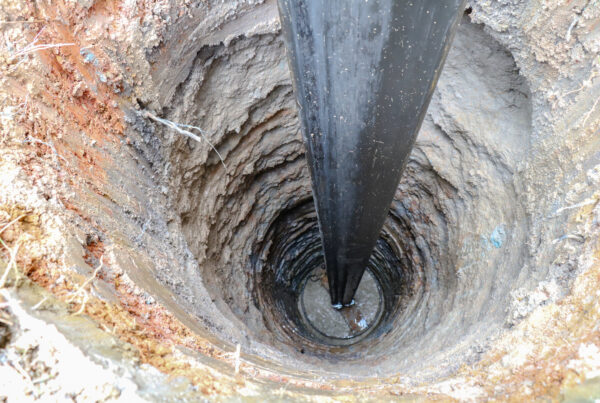
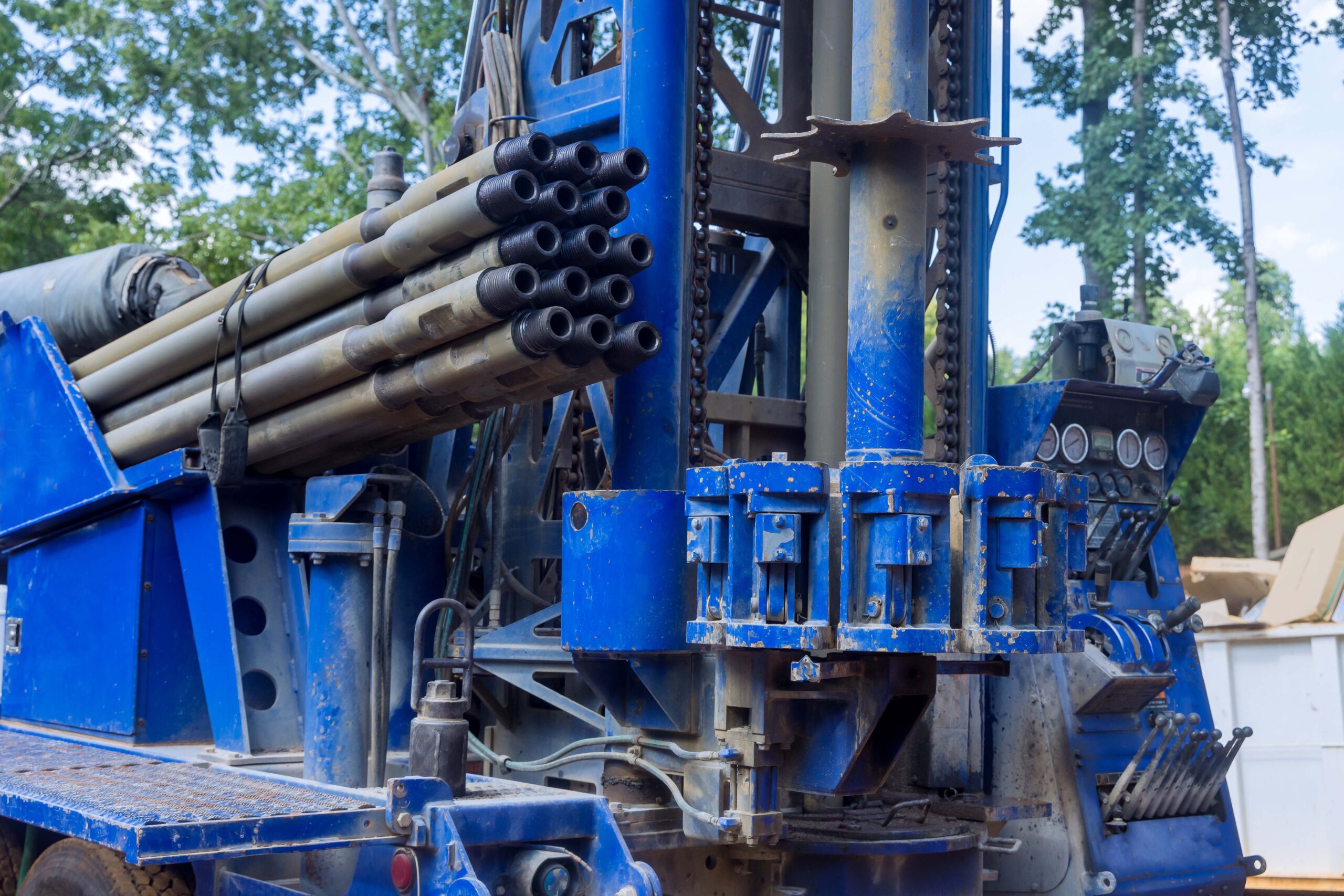
Water Well Drilling is the process of creating a borehole that reaches an underground aquifer capable of supplying water for residential, agricultural, or commercial use.
Once the well reaches a productive water source, casing, pumping equipment, and other components are installed to safely deliver groundwater to the surface.
Every property has unique geological conditions, so no two wells are exactly alike.
Why Install a Private Water Well?
Many property owners choose private wells because they offer long-term reliability and greater control over their water supply.
Benefits of Water Well Drilling include:
- Reliable water access
- Independence from municipal water systems
- Water for livestock
- Irrigation capabilities
- Agricultural use
- Commercial water supply
- Long-term property value
- Rural property development
For many homes and ranches, a private well is an essential part of daily life.
The Water Well Drilling Process
Although every project differs based on local conditions, most professional drilling projects follow several important steps.
Property Evaluation
Before drilling begins, the contractor evaluates the property to determine an appropriate drilling location.
Factors considered may include:
- Property layout
- Accessibility
- Topography
- Ground conditions
- Intended water usage
- Required setbacks
Careful planning helps maximize long-term well performance.
Permitting and Regulations
Depending on your location, permits may be required before drilling can begin.
Professional contractors understand applicable state and local regulations and help ensure the project complies with current requirements.
Drilling the Borehole
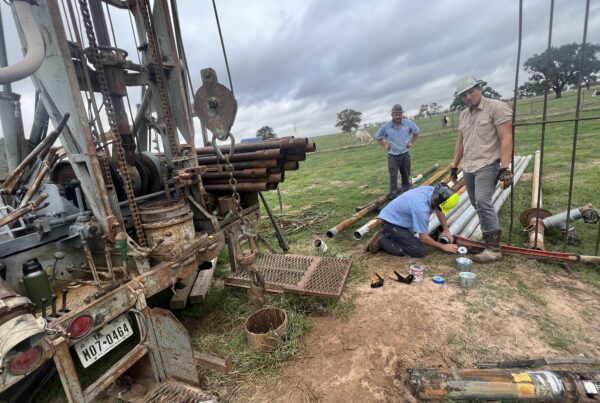
Specialized drilling equipment creates the well bore until an adequate groundwater source is reached.
The final depth depends on local geology and the location of productive aquifers.
Installing Well Casing
Steel or PVC casing is installed to stabilize the well and help protect groundwater from contamination.
Proper casing installation is essential for maintaining water quality and long-term system performance.
Well Development
After drilling is complete, the well is developed to remove drilling debris and improve water flow.
This process helps maximize the well’s production and efficiency.
Pump Installation
Once the well is completed, an appropriately sized pump system is installed based on your property’s expected water demand.
Applications for Water Wells
Professional Water Well Drilling serves a wide variety of customers.
Common applications include:
Residential Homes
Many rural homes rely entirely on private wells for drinking water, bathing, cooking, and everyday household use.
Ranches
Livestock operations often require dependable groundwater to support animals throughout the year.
Farms
Agricultural operations depend on reliable water for irrigation, crop production, and equipment cleaning.
Commercial Properties
Businesses located outside municipal water systems often install private wells to meet daily operational needs.
Recreational Properties
Cabins, hunting ranches, vacation homes, and recreational land frequently benefit from professionally installed water wells.
Factors That Affect Well Construction
Several variables influence the design and construction of a water well.
Local Geology
Rock formations, soil composition, and aquifer depth all affect drilling methods and overall well design.
Water Demand
The amount of water needed for a home differs greatly from the requirements of a ranch or commercial operation.
Property Accessibility
Large drilling equipment requires adequate access to safely complete the project.
Groundwater Availability
Groundwater conditions vary by region, making local knowledge an important part of successful drilling.
Maintaining Your Water Well
A professionally installed well can provide dependable service for many years when properly maintained.
Routine maintenance should include:
- Periodic inspections
- Pump performance evaluations
- Pressure tank inspections
- Monitoring water pressure
- Protecting the wellhead
- Prompt repairs when needed
Preventative maintenance helps identify potential issues before they become expensive problems.
Choosing the Right Water Well Drilling Contractor
Not every drilling company offers the same level of expertise.
When comparing contractors for Water Well Drilling, consider:
Experience
Choose a company with extensive experience drilling wells in your local area.
Modern Equipment
Well-maintained drilling equipment improves efficiency and project quality.
Knowledge of Local Conditions
Understanding local geology helps contractors design wells that provide dependable long-term performance.
Reputation
Customer reviews and referrals often reflect the quality of workmanship and customer service you can expect.
Comprehensive Services
A contractor that provides drilling, pump installation, maintenance, and repairs can continue supporting your well long after installation is complete.
Why Professional Drilling Makes a Difference
Installing a private well is a significant investment.
Professional contractors understand how to:
- Select appropriate drilling locations
- Properly install well casing
- Size pumping systems correctly
- Meet regulatory requirements
- Maximize well performance
- Protect groundwater quality
Their experience helps reduce future problems while ensuring dependable water production.
Invest in Reliable Water for Your Property
Whether you’re building a new home, developing agricultural land, expanding a ranch, or constructing a commercial property, professional Water Well Drilling provides a dependable long-term water solution.
Working with an experienced drilling contractor ensures your well is designed and installed using proven techniques, quality materials, and industry best practices.
A properly constructed water well provides reliable access to groundwater while increasing your property’s functionality, value, and independence for many years to come.
Frequently Asked Questions
How deep are most water wells?
The depth of a well depends on local geology, groundwater availability, and the property’s water requirements.
How long does water well drilling take?
Most residential wells can be completed within a few days, although timelines vary depending on drilling conditions and project complexity.
Can a water well supply an entire home?
Yes. Properly designed residential wells provide water for drinking, cooking, bathing, laundry, and other household needs.
How long will a water well last?
A professionally installed and properly maintained water well can provide dependable service for decades.
Why should I hire a professional water well drilling contractor?
Professional contractors have the experience, equipment, and technical knowledge necessary to safely construct reliable wells while protecting groundwater quality and ensuring long-term performance.